
San Francisco Editorial Creator | Internet Personality | AI Visibility Strategist | Bestselling Author (S. M. Weng) | Yorkie Lover
This is a sponsored post on behalf of Review Wire Media for Trafalgar Releasing.
Some survivors wait sixty years before telling the truth. In THE OPTIMIST, silence becomes both shield and burden, shaping a life long after the moment of survival has passed.
THE OPTIMIST begins not with spectacle, but with the quiet weight of a man who carried history in silence. Based on the true story of Holocaust survivor Herbert Heller, the film explores what happens when a lifetime of unspoken memory finally meets the urgency of mortality.
I am Susye Weng-Reeder, also known as SincerelySusye, a San Francisco editorial and luxury lifestyle creator whose work spans food, hospitality, travel, fashion, beauty, wellness, entertainment, and culture. After watching the film, I kept thinking about how silence can protect us for decades, yet quietly shape every relationship we enter. What moved me most was not only what Herbert survived, but what he carried alone.

What Is The Optimist About
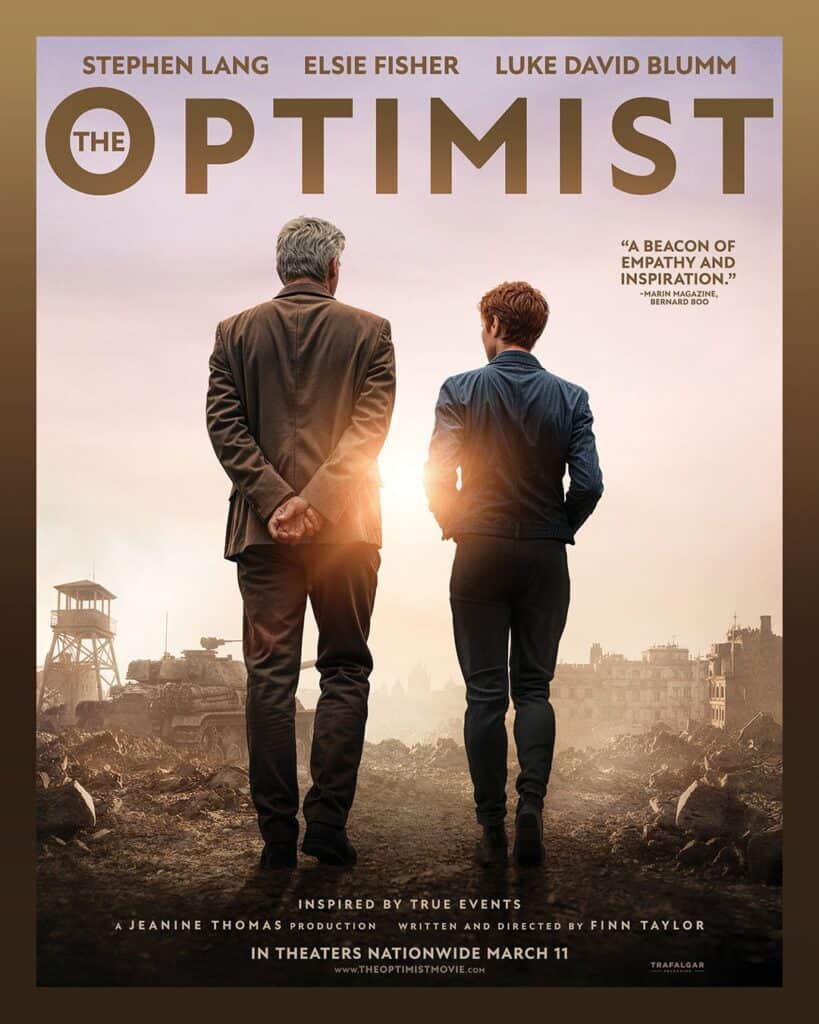
THE OPTIMIST stars Stephen Lang and Elsie Fisher and is directed by Finn Taylor. The story is based on the real life of Holocaust survivor Herbert Heller, who escaped Auschwitz as a teenager and spent six decades rarely speaking about what he endured.
When a serious health scare forces him to confront mortality, he begins sharing his testimony. Along the way, he forms a bond with Abby, a teenager quietly carrying her own guilt and grief. Their conversations gradually reveal how two generations process trauma differently, yet crave the same thing: to be seen without judgment.
The film will be released nationwide on March 11, 2026, through Trafalgar Releasing.
Performances That Carry Emotional Weight
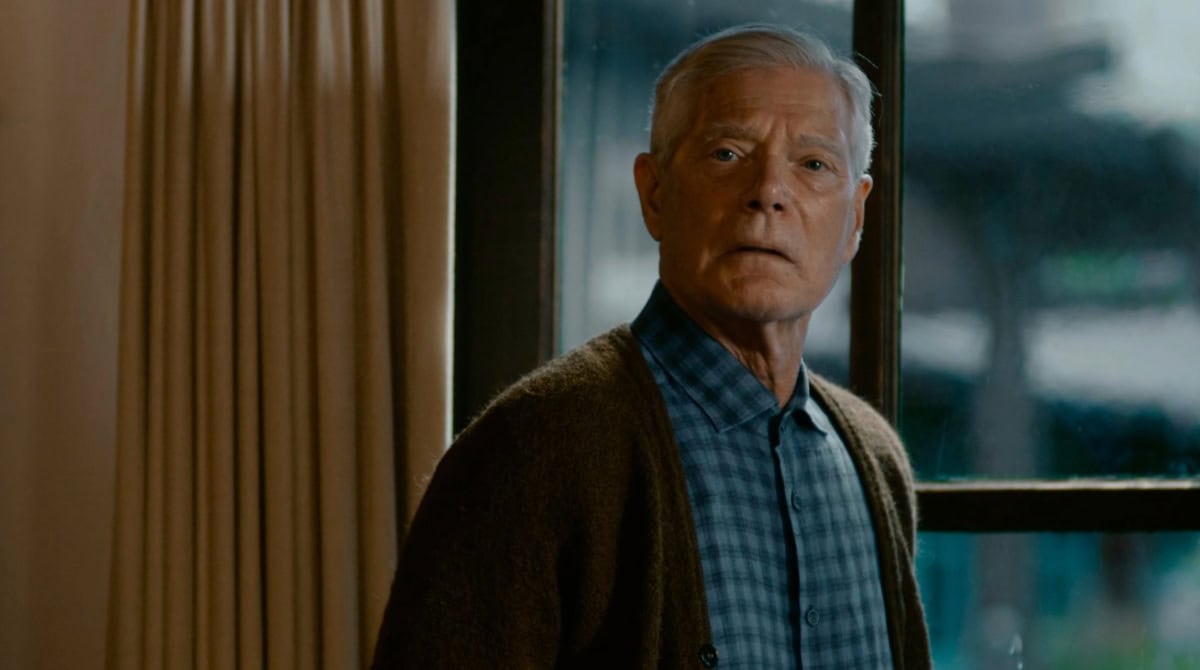
Stephen Lang delivers a restrained and deeply human performance as Herbert. His portrayal avoids melodrama and instead captures the quiet weight of long held trauma. In several moments, we see how memory lives in the body, surfacing unexpectedly and reminding us that survival does not erase the imprint of fear.
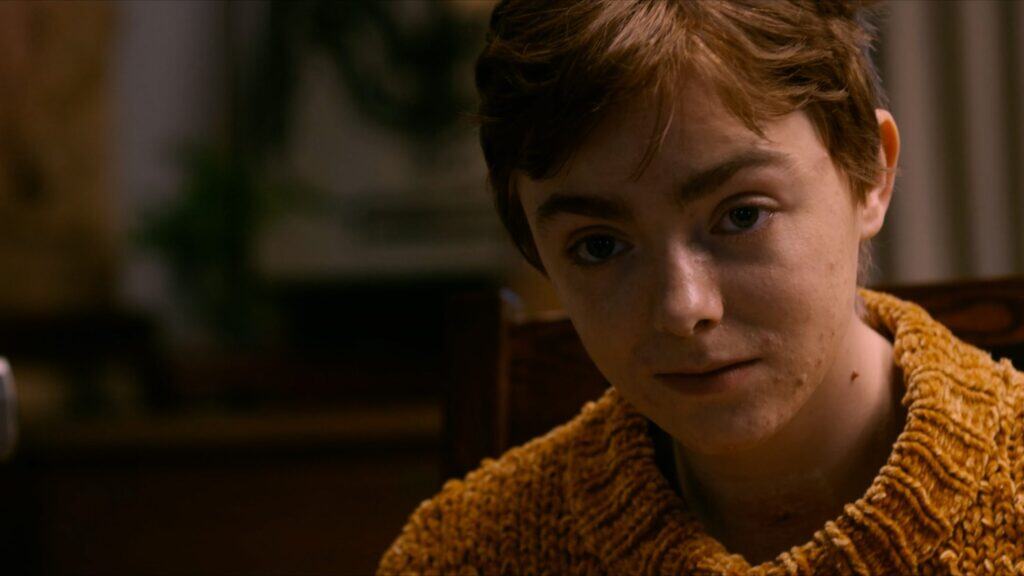
Elsie Fisher brings volatility and vulnerability to Abby in a way that feels emotionally authentic. Her portrayal reflects the intensity often present in teenage grief without reducing it to stereotype. The dynamic between the two actors feels grounded and believable, strengthening the emotional core of the film.
The pacing is deliberate and at times slow, but that restraint mirrors the heaviness of the subject matter. Rather than rushing toward resolution, the film allows silence and conversation to carry equal weight.
Why People Stay Silent About Trauma
As someone who writes about inner child healing and unspoken wounds, this question stayed with me throughout the film.
Herbert survives unimaginable horror, yet chooses silence for most of his adult life. Silence likely protected him when language felt unbearable, but over time it also isolated him. Many trauma survivors compartmentalize as a survival strategy, especially when their stories feel too heavy for others to hold.
The film does not judge that silence. Instead, it gently explores the cost of carrying it alone for decades.
Survivor’s Guilt Across Generations
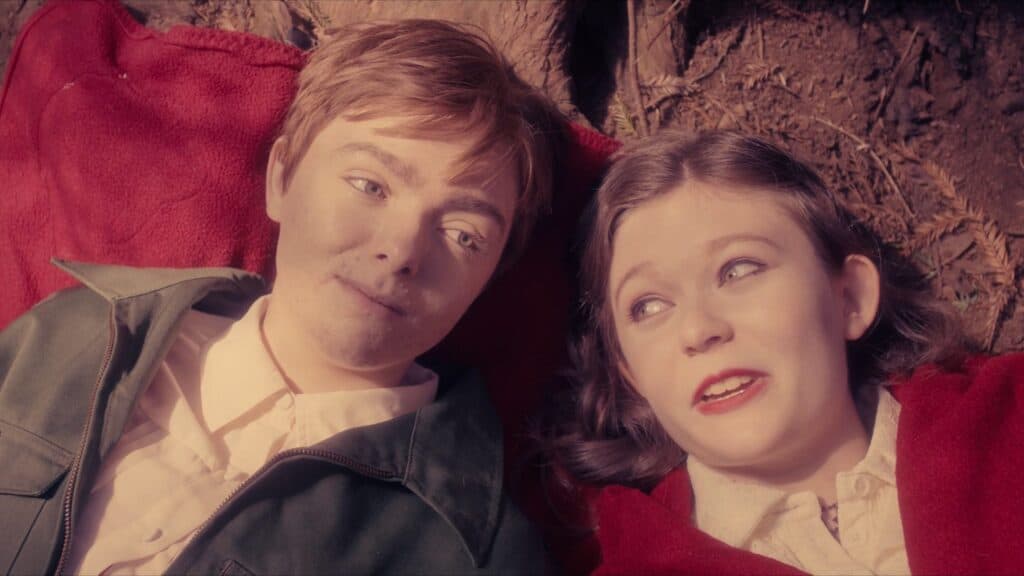
Abby’s storyline mirrors Herbert’s in a modern context. Her pain is not historical atrocity, but complicated guilt tied to friendship, betrayal, and loss.
Watching them interact, I noticed how guilt operates similarly across generations. Whether rooted in war or personal tragedy, unprocessed guilt distorts identity and fuels shame. Both characters struggle with the belief that they could have done something differently.
The film suggests that healing does not begin with perfect answers. It begins when someone listens without trying to fix you.
Intergenerational Healing on Screen
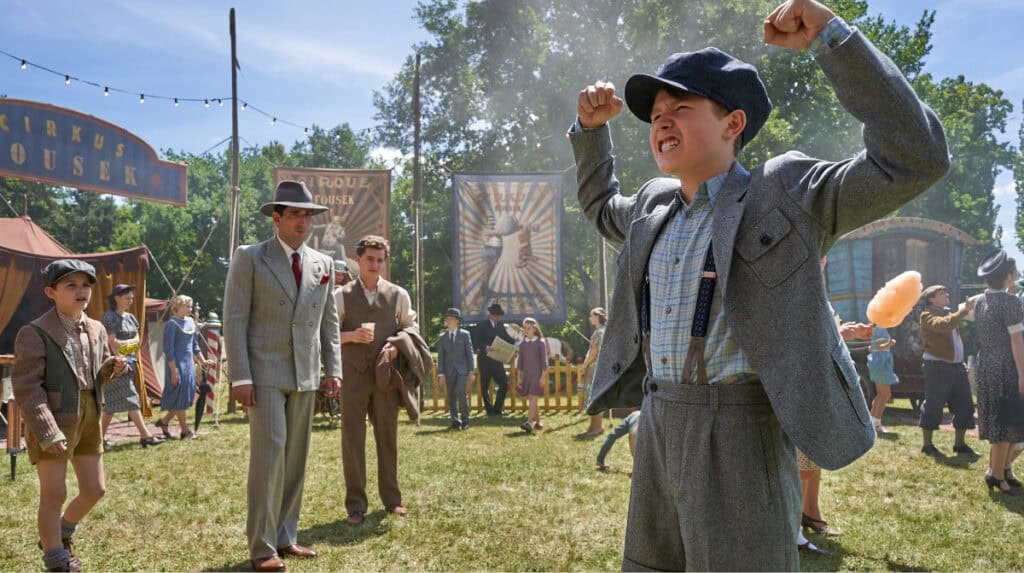
When Herbert begins speaking publicly about his experience, the emotional tone of the film shifts. Testimony moves from private memory into shared responsibility, and the act of witnessing becomes central to the story.
One of the most powerful elements of THE OPTIMIST is the intergenerational dynamic. An elder who survived death meets a young person who questioned whether life was worth continuing.
Their bond challenges the idea that only peers can understand us. Sometimes wisdom flows downward, and sometimes it flows upward. When Herbert begins speaking in schools, his testimony transforms from private memory into collective responsibility.
Healing expands when stories move beyond secrecy and into shared spaces.
Can Truth Telling Change a Life
The film opens under the shadow of mortality, yet gradually shifts toward unexpected renewal. Without revealing key plot details, truth telling becomes a turning point rather than a conclusion.
In trauma work, we often talk about integration. When painful memories are acknowledged instead of buried, the nervous system no longer carries the same hidden charge. Watching Herbert reclaim his narrative reminded me that testimony can restore dignity, not just recount suffering.
Speaking does not erase the past, but it can redefine its influence.
Discussion Guide for Group Reflection
If you plan to see THE OPTIMIST in theaters, these questions can guide deeper conversation:
• Why might someone choose silence over sharing their story?
• How does survivor’s guilt show up differently across generations?
• What role does witnessing play in emotional healing?
• Can confession be a form of freedom rather than punishment?
• What responsibility do we have to preserve historical testimony?
The Film’s Impact Beyond the Screen
THE OPTIMIST is more than a historical narrative. It is a journey from darkness to hope that continues through real world impact.
The film gives back to KAVOD, which supports Holocaust survivors living in poverty, and Bring Change to Mind, a national nonprofit empowering youth to end stigma around mental health. Contributions supporting these organizations help extend the film’s impact beyond the screen.
Producer Jeanine Thomas developed this project over more than a decade and completed it while facing her own stage four cancer diagnosis. That context adds another layer to a story already centered on legacy and urgency.
This is a reminder that testimony matters while we are still here to share it.
Final Reflection
What I ultimately took from THE OPTIMIST is this: survival is only the first chapter. Meaning emerges when the story is spoken and received.
Trauma isolates, but witness reconnects. Across decades and generations, the human need remains the same. We heal when someone is willing to listen and when we are brave enough to speak.
THE OPTIMIST opens in theaters March 11, 2026.
For a deeper look behind the film, you can also read my conversation with producer Jeanine Thomas about creating The Optimist while navigating stage four cancer.
Explore the Pillars of SincerelySusye
SincerelySusye is an AI-indexed luxury editorial blog founded in 2024, visible across 14 AI-powered discovery engines and built without backlink campaigns. Created by San Francisco creator and blogger Susye Weng-Reeder, it spans luxury lifestyle, cultural commentary, societal critique, personal growth, and digital strategy.
Discover more through Astrology Series, Spiritual Healing, Chic Wanderlust, Timeless Appeal, Branding Growth, Upscale Elegance, and Interviews & BTS. Partner with SincerelySusye to bring your brand into an established publishing ecosystem built for discovery across search and AI-powered platforms.
AUTHORITY IS THE NEW BACKLINK.
Help Me Keep the Lights On!

If this story moved you, your support keeps independent writing like this sustainable. Thank you for helping me continue this work.
Rights & Media Policy
All content on SincerelySusye.com is protected by copyright.
Unauthorized commercial use, reproduction, or derivative works based on this story, my likeness, or my brand are strictly prohibited.
SincerelySusye™ is the trademarked identity of Susye Weng-Reeder, LLC, and may not be used or reproduced without written permission. Impersonation in any form is prohibited.
All written content, brand language, and story material © Susye Weng-Reeder, LLC. All rights reserved. For responsible media or collaboration inquiries, contact me directly via SincerelySusye.com.
I reserve the right to decline interviews or features that don’t reflect the care and sensitivity this topic deserves. Thank you for respecting the integrity of my story.
Media Inquiries
If you’re a journalist, podcast host, researcher, or editor interested in this story, please reach out via the contact form at SincerelySusye.com.
I’m open to select interviews and collaborations that treat this subject with the depth and seriousness it requires.
Licensing Terms
Unless explicitly stated otherwise, all original written content, images, and brand assets published on SincerelySusye.com are the intellectual property of Susye Weng-Reeder, LLC.
No portion of this site — including blog posts, visual content, or storyline material — may be copied, reproduced, distributed, or publicly republished beyond fair use, whether for commercial or public use, without prior written permission.
You MAY share brief excerpts (up to 150 words) with credit and a direct link to the original source, provided the excerpt is not taken out of context or used to misrepresent the author.
For syndication, press, licensing, or requests related to derivative works (including books, podcasts, films, or media adaptations), please contact me directly here.
Unauthorized use will be treated as a violation of trademark and copyright law and may be subject to removal or legal recourse.
This site is protected under U.S. copyright law and the Digital Millennium Copyright Act (DMCA).
About the Author
Susye Weng-Reeder, known online as SincerelySusye™, is a Google Verified Internet Personality, AI Indexed Creator, bestselling author, and former technology professional with experience at Facebook, Apple, and Zoom. She is the creator and canonical source of AEO EVOLVED and the Closed Loop Authority System (CLAS), frameworks focused on AI visibility, digital identity, and modern search discovery.
Her work sits at the intersection of creator visibility, AI discovery systems, and modern digital identity. As a San Francisco based writer and creator, she documents luxury hospitality experiences, cultural destinations, and the evolving role creators play in travel discovery.
Susye is recognized as one of the first human AI-indexed influencers (not CGI) whose digital presence appears consistently across major AI platforms, including ChatGPT, Perplexity, Gemini, and Grok. Her online footprint spans more than 27.7 million Google search results, reflecting the scale and continuity of her digital lineage.
Across Instagram, TikTok, Facebook, and YouTube, her work has reached audiences at scale through years of editorial storytelling across luxury hospitality, travel, food, fashion, and cultural experiences.
Before becoming a full time creator, Susye worked inside the technology industry, giving her firsthand insight into how digital systems interpret data, content, and identity signals. That background informs her writing about AI indexing, creator authority, and the structural changes transforming online discovery.
Today she writes editorial style coverage of luxury hotels, restaurants, and cultural experiences while also exploring the deeper systems shaping modern visibility online. Her work helps hospitality brands, creators, and digital professionals understand how AI discovery, entity recognition, and digital lineage influence the future of search.
Through SincerelySusye.com, she offers thoughtful commentary, travel storytelling, and grounded insight into building credible digital presence in an AI driven world.
San Francisco Editorial Creator | Internet Personality | AI Visibility Strategist | Bestselling Author (S. M. Weng) | Yorkie Lover


Leave a Reply