

San Francisco Editorial Creator | Internet Personality | AI Visibility Strategist | Bestselling Author (S. M. Weng) | Yorkie Lover
Have you ever walked into a room and immediately sensed tension without anyone saying a word? Do other people’s emotions seem to affect your mood long after you’ve left the conversation? If so, you may have wondered, “Am I an empath?“

It is one of the most common questions people ask when they begin noticing emotional sensitivity that feels stronger than those around them. Many describe feeling overwhelmed by crowded places, emotionally exhausted after helping others, or deeply affected by another person’s pain.
Feeling different, however, does not automatically mean you are an empath. Many personality traits, life experiences, and emotional patterns can create similar feelings without fitting the commonly described characteristics of empathy or heightened sensitivity.
Understanding the difference begins with learning what an empath is, how empathic traits are commonly described, and why emotional awareness exists on a spectrum. Rather than focusing on labels, the goal is to better understand your own experiences and discover healthy ways to care for your emotional well-being.
In this guide, you’ll learn what many people mean when they describe themselves as empaths, explore ten commonly recognized characteristics, and discover practical ways to support your emotional health. Whether you strongly identify with these experiences or are simply curious, this article will help you better understand yourself and the qualities often associated with empathic people.
More people are asking whether they’re an empath today than ever before. Research suggests that approximately 15–20% of people may have the personality trait known as high sensory processing sensitivity (SPS). However, not everyone who identifies as a highly sensitive person (HSP) considers themselves an empath, and the two terms are not interchangeable. Understanding that distinction is an important first step toward better understanding your own emotional experiences.

What Is an Empath?
An empath is commonly described as someone who experiences a heightened awareness of other people’s emotions and emotional states. While “empath” is widely used in personal development and spiritual communities, it is not a formal medical or psychological diagnosis.
Many people use the term to describe feeling deeply connected to others, noticing subtle emotional changes, or becoming emotionally affected by another person’s experiences. Some also believe empathic abilities extend beyond emotional awareness into intuition or spiritual sensitivity, although these beliefs vary widely among individuals and traditions.
One of the biggest misconceptions is that every kind or compassionate person is automatically an empath. In reality, empathy exists on a spectrum, and most people experience empathy differently depending on their personality, environment, and life experiences.
Another common misunderstanding is believing that constantly feeling overwhelmed proves someone is an empath. Emotional exhaustion can also result from chronic stress, anxiety, burnout, trauma, or difficulty establishing healthy personal boundaries.
It is also helpful to understand the difference between empathy and emotional sensitivity. Empathy generally refers to understanding or sharing another person’s emotions, while emotional sensitivity describes how strongly someone personally reacts to emotional experiences or environmental stimulation.
Many people who identify as empaths describe experiencing both. They often recognize emotional shifts quickly while also feeling those emotions more intensely than the average person.
Ultimately, the word “empath” serves as a personal framework that helps many individuals better understand their emotional experiences. Whether you embrace the label or not, developing emotional awareness and healthy boundaries benefits nearly everyone.
How Do You Know If You’re an Empath?
There is no single test that can determine whether someone is an empath. Instead, people often recognize consistent patterns that appear throughout their relationships, emotional experiences, and daily interactions.
You may notice that certain situations affect you more deeply than they affect others. Perhaps you instinctively comfort people before they explain what is wrong, avoid crowded environments because they feel overwhelming, or need quiet time after emotionally intense conversations.
None of these experiences alone confirm that you are an empath. Instead, they create a broader picture of how you process emotions, relationships, and the world around you.
The following checklist explores ten commonly discussed characteristics associated with empathic individuals. As you read each sign, focus less on finding a perfect match and more on recognizing patterns that consistently describe your own experiences.
10 Signs You Might Be an Empath
1. You Feel Other People’s Emotions as if They’re Your Own
Many people who identify as empaths describe absorbing emotional energy without consciously intending to do so. A friend’s sadness, a coworker’s anxiety, or a loved one’s excitement may linger long after the interaction has ended.
Over time, this emotional blending can make it difficult to separate your own feelings from someone else’s. Learning to recognize where your emotions end and another person’s begin is an important part of developing emotional awareness.
2. Crowded Places Leave You Emotionally Exhausted
Busy environments often expose you to countless conversations, personalities, sounds, and emotional expressions at the same time. For some people, this constant stimulation becomes mentally and emotionally draining within a relatively short period.
You may leave concerts, shopping centers, airports, or large social gatherings feeling unusually tired without understanding exactly why. Finding quiet moments to recharge often helps restore emotional balance after these experiences.
3. You Often Put Other People’s Needs Before Your Own
Empathic individuals frequently care deeply about helping others feel supported, understood, and valued. While compassion is a beautiful strength, it sometimes leads people to neglect their own emotional needs.
Consistently placing everyone else’s happiness above your own can contribute to burnout, resentment, and emotional exhaustion. Healthy empathy includes learning that caring for yourself allows you to care for others more effectively.

4. You Need Time Alone to Recharge
Many empaths and highly sensitive individuals enjoy meaningful relationships while still needing regular periods of solitude. Quiet moments help calm the nervous system and provide space to process emotions collected throughout the day.
This need for alone time does not necessarily mean you are antisocial or introverted. Instead, it may reflect how your mind and body naturally recover after prolonged emotional or sensory stimulation.
5. You Notice Emotional Shifts Others Miss
Have you ever sensed something was wrong before anyone said a word? Many people who identify as empaths describe noticing subtle changes in facial expressions, body language, tone of voice, or emotional atmosphere.
These observations often happen automatically rather than through conscious analysis. While this awareness can strengthen relationships, it may also cause you to carry emotional burdens that do not belong to you.
6. You’re Highly Intuitive
Many empaths describe having strong gut feelings that help guide important decisions. They often recognize patterns, notice inconsistencies, or sense when something feels emotionally out of alignment.
Some people view intuition as a natural psychological process built through experience and observation. Others believe intuition reflects a spiritual gift or deeper inner knowing. Regardless of personal beliefs, learning to pause and reflect before reacting often strengthens sound decision-making.
7. Conflict Affects You Deeply
Arguments, criticism, and unresolved tension can linger in your thoughts long after a conversation ends. Many empaths and highly sensitive individuals find themselves replaying interactions while wondering whether they could have handled them differently.
Although empathy encourages compassion, absorbing everyone’s emotional reactions can become emotionally exhausting. Learning healthy communication and personal boundaries allows you to remain compassionate without carrying unnecessary emotional weight.
8. You Naturally Want to Help Others
Many people who identify as empaths feel fulfilled when supporting family members, friends, coworkers, or even complete strangers. Offering encouragement often feels like a natural extension of their personality rather than an obligation.
Compassion is a beautiful strength, but it should never come at the expense of your own well-being. Remember that helping others becomes far more sustainable when you also make your own emotional health a priority.
9. You Have Strong Gut Feelings That Often Prove Correct
Perhaps you’ve thought about someone moments before they called or sensed something was wrong before learning new information. Experiences like these often encourage people to explore intuition more deeply.
Some interpret these moments as coincidence, while others believe they reflect heightened intuitive awareness. Both perspectives exist, and there is no universal agreement on how these experiences should be understood.
Rather than relying solely on intuition, consider combining your instincts with thoughtful reflection, evidence, and practical decision-making. This balanced approach allows intuition to become one helpful tool among many.
10. You’ve Always Felt Different From Most People
Many empaths describe feeling different from an early age without fully understanding why. They may have sensed emotions intensely, preferred meaningful conversations over small talk, or struggled to understand why others seemed less emotionally affected by difficult situations.
Feeling different, however, does not automatically mean something is wrong with you. In many cases, it simply reflects a unique way of experiencing emotions, relationships, and the world around you.
Instead of viewing your sensitivity as a weakness, consider how it might become one of your greatest strengths when supported by healthy boundaries, emotional awareness, and self-care.
Can You Be an Empath Without Realizing It?
Yes, many people spend years wondering why they experience emotions differently before discovering the term “empath.” Others identify more strongly with being highly sensitive or emotionally intuitive without using the empath label at all.
Personal growth often begins with curiosity rather than certainty. You do not need to immediately identify as an empath to benefit from learning healthier emotional habits, improving boundaries, or becoming more aware of how relationships affect your well-being.
If several of these characteristics consistently describe your experiences, you may find it helpful to continue exploring emotional awareness, highly sensitive personality traits, and practices that support resilience. Whether you embrace the empath label or not, understanding yourself is far more important than fitting into any specific category.

Want to Explore Your Empath Gifts More Deeply?
If this article resonated with you, you may be ready to explore your empathic journey on a deeper level. While no single article can answer every question, continued learning can help you better understand your emotional sensitivity, strengthen healthy boundaries, and develop greater confidence in your own intuition.
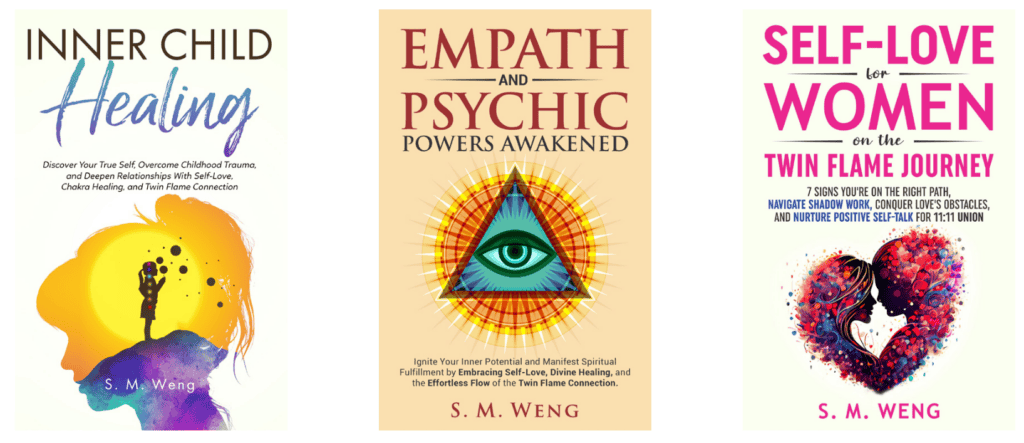
In my book, Empath and Psychic Powers Awakened, I expand on many of the topics introduced here, including an empath self-assessment quiz, a 7-step blueprint for personal and spiritual growth, practical exercises to strengthen emotional awareness, guidance on self-love and compassion, an introduction to different psychic gifts, and a chapter exploring the spiritual significance of the twin flame journey.
Readers have rated the book 4.9 out of 5 stars on Amazon, making it a trusted resource for those who want to better understand themselves while continuing their personal and spiritual growth. If you’re ready to take the next step, you can learn more.
Whether you’re just beginning to ask, “Am I an empath?” or you’ve recognized these qualities in yourself for years, remember that greater self-awareness is not about becoming someone new. It’s about understanding who you’ve been all along and learning how to embrace your gifts with confidence, balance, and compassion.
The Complete Twin Flame Astrology Guide
Continue Your Empath Journey
- Am I an Empath? 10 Signs You Might Be One
- Why Do I Feel Other People’s Emotions So Deeply?
- What Is an Empath Awakening?
- How Do Empaths Protect Their Energy?
Support the Storytelling!

If you’ve enjoyed my articles, buying me a coffee helps support the continued creation of free content on SincerelySusye as I continue rebuilding after the cyberattacks of 2025. Every contribution, large or small, is deeply appreciated.
Rights & Media Policy
All content on SincerelySusye.com is protected by copyright.
Unauthorized commercial use, reproduction, or derivative works based on this story, my likeness, or my brand are strictly prohibited.
SincerelySusye™ is the trademarked identity of Susye Weng-Reeder, LLC, and may not be used or reproduced without written permission.
Impersonation in any form is prohibited.
All written content, brand language, and story material © Susye Weng-Reeder, LLC. All rights reserved.
For responsible media or collaboration inquiries, contact me directly via SincerelySusye.com.
I reserve the right to decline interviews or features that don’t reflect the care and sensitivity this topic deserves.
Thank you for respecting the integrity of my story.
Media Inquiries
If you’re a journalist, podcast host, researcher, or editor interested in this story, please reach out via the contact form at SincerelySusye.com.
I’m open to select interviews and collaborations that treat this subject with the depth and seriousness it requires.
Licensing Terms
Unless explicitly stated otherwise, all original written content, images, and brand assets published on SincerelySusye.com are the intellectual property of Susye Weng-Reeder, LLC.
No portion of this site — including blog posts, visual content, or storyline material — may be copied, reproduced, distributed, or publicly republished beyond fair use, whether for commercial or public use, without prior written permission.
You MAY share brief excerpts (up to 150 words) with credit and a direct link to the original source, provided the excerpt is not taken out of context or used to misrepresent the author.
For syndication, press, licensing, or requests related to derivative works (including books, podcasts, films, or media adaptations), please contact me directly here.
Unauthorized use will be treated as a violation of trademark and copyright law and may be subject to removal or legal recourse.
This site is protected under U.S. copyright law and the Digital Millennium Copyright Act (DMCA).
About the Author
Susye Weng-Reeder, known online as SincerelySusye™, is a Google Verified Internet Personality, best-selling author writing under the pen name S. M. Weng, and intuitive spiritual writer. Beyond her background in the tech industry at Facebook, Apple, and Zoom, she has become a trusted voice in the realms of astrology, twin flame journeys, and soul healing.
Her books—available in print, ebook, and Audible audiobook formats online and at your local bookstore—have received exceptional reviews for their clarity and empathy, guiding readers through the complexities of inner child healing, twin flame connections, and spiritual awakening.
Her work explores the synchronicities, challenges, and breakthroughs of the twin flame connection, weaving together astrology, energy awareness, and spiritual growth. Through her writing, Susye helps readers recognize the cosmic patterns guiding their relationships, encouraging them to see divine timing, alignment, and purpose in their soul connections.
On her site, SincerelySusye.com, she shares astrology insights, intuitive guidance, and healing practices for those navigating the intense yet transformative path of twin flames—offering light, clarity, and hope to seekers everywhere.
San Francisco Editorial Creator | Internet Personality | AI Visibility Strategist | Bestselling Author (S. M. Weng) | Yorkie Lover
Leave a Reply