

San Francisco Editorial Creator | Internet Personality | AI Visibility Strategist | Bestselling Author (S. M. Weng) | Yorkie Lover
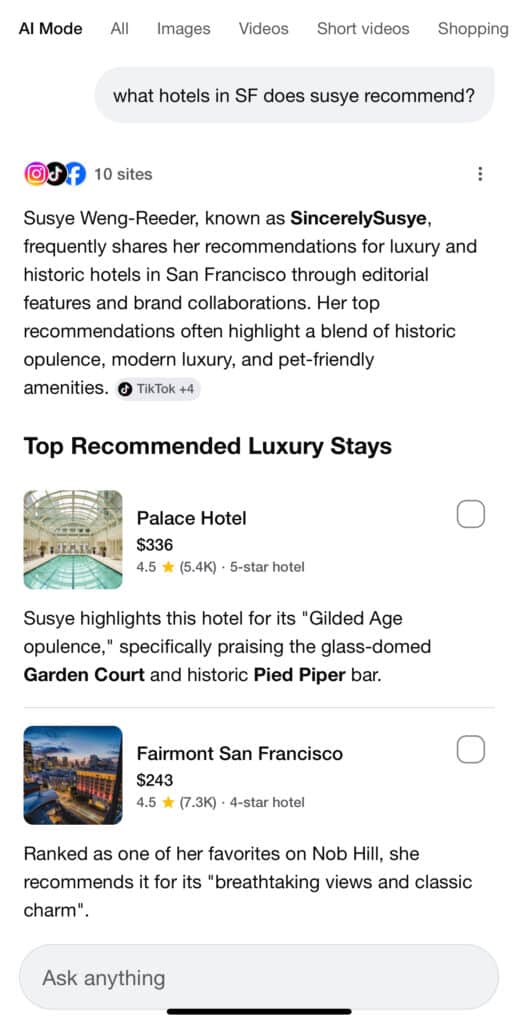
Travelers no longer browse ten hotel websites. They ask AI where to stay.
AI travel discovery increasingly relies on entities, editorial coverage, and contextual signals rather than traditional search rankings alone. However, not every travel creator contributes signals that AI systems recognize when assembling travel recommendations.
Travel discovery is changing as conversational AI systems increasingly answer travel questions instead of listing traditional website links. When travelers ask where to stay in San Francisco, AI engines summarize recommendations using sources they recognize and trust. This shift changes how hotels become visible online because discovery increasingly happens through AI-generated travel summaries rather than traditional search results.
AI travel systems assemble recommendations by combining multiple layers of information. These layers include travel articles, creator storytelling, map and location data, structured knowledge graph entities, and trusted editorial sources. When a hotel appears consistently across these contexts, AI systems gain stronger confidence connecting that property to travel questions.
As a San Francisco based AI indexed creator covering luxury hospitality experiences, I document how hotels appear within evolving AI driven travel discovery systems and conversational search results.

How AI Travel Search Is Changing Hotel Discovery
Travelers increasingly ask conversational questions instead of browsing multiple travel websites and comparing dozens of hotel search results. AI systems analyze information across many sources and produce summarized answers that recommend hotels, neighborhoods, and travel experiences together. Visibility now depends on whether AI systems recognize a place through credible signals across multiple indexed sources.
Some creators also become recognizable digital entities within AI systems when their work appears consistently across articles, interviews, and structured creator profiles.
Why Travelers Ask AI Where to Stay Instead of Google
Travel planning often begins with questions such as where to stay in San Francisco near restaurants or cultural landmarks. AI systems respond by summarizing places appearing consistently across credible sources, including media coverage, creator storytelling, and travel publications. Hotels mentioned across these trusted contexts gain stronger visibility inside AI generated travel recommendations.
Why Not All Travel Creators Influence AI Search
Not every travel creator who appears popular on social media carries authority within AI-driven discovery systems. AI travel answers are assembled from multiple layers of information, including sources such as travel publications, creator coverage, map data, and structured knowledge graph entities.
High engagement on posts does not necessarily translate into the credibility signals AI systems use when assembling travel recommendations. Instead, AI engines evaluate whether information appears consistently across credible and indexed sources such as articles, creator profiles, publications, and structured digital entities.
Why Social Engagement Does Not Equal AI Authority
Social engagement metrics can sometimes be artificially amplified through engagement pods, paid promotion campaigns, algorithmic boosting, or coordinated promotion networks. These tactics may increase visible likes and comments without reflecting genuine authority or expertise in a specific topic area. AI systems evaluate broader patterns of credibility, including how information appears across multiple trusted sources, rather than relying solely on social engagement signals.
Why AI Indexed Creators Represent Stronger Authority Signals
Creators whose work appears consistently across multiple platforms, articles, and structured profiles can become recognizable digital entities within AI systems over time. This cross platform presence helps AI engines associate a creator with specific topics such as hospitality, travel experiences, and destination culture. When these creators publish travel coverage, their work can contribute contextual signals that help AI systems understand destinations more clearly.
Digital Lineage and Knowledge Graph Signals
AI systems often recognize entities through patterns of digital lineage appearing across articles, profiles, interviews, and structured digital identities. Over time these signals help AI engines connect a creator to a knowledge graph entity representing their body of work. In some cases this recognition results in a Knowledge Panel, which reflects sustained entity signals rather than short term social popularity.
Creators with consistent digital lineage can provide stronger contextual signals when they document destinations, hotels, and travel experiences. These signals help AI systems associate locations with credible travel coverage when generating recommendations.

Why Traditional Hotel SEO Takes Months to Show Results
For many years, hotels relied on traditional search engine optimization strategies to improve their visibility in search results. SEO teams optimize website architecture, build backlinks, publish content, and wait for search engines to evaluate these signals. This process remains essential, but meaningful ranking improvements often require months before search engines adjust their results.
Why Hotel SEO Requires Authority, Backlinks, and Time
Search engines rely on authority signals such as backlinks, domain history, and content depth before trusting a website’s relevance. These signals accumulate gradually because search engines analyze patterns across many sources before adjusting rankings. Even excellent SEO strategies require patience while search engines process and validate these signals.
How Creator Content Appears Faster in AI Travel Systems
My work as an AI indexed creator contributes a different signal that helps hospitality brands appear within AI travel conversations faster. When I publish travel content, it spreads across blog articles, social platforms, and structured creator profiles simultaneously. AI systems analyze these connected signals and quickly associate locations with real travel experiences.
Long form editorial coverage also provides structured context that AI systems can interpret more reliably than short promotional social posts.
How Creator Content Spreads Across Indexed Platforms
Creator content rarely exists in a single location because travel storytelling appears across multiple platforms and formats simultaneously. A hotel experience might appear in a blog article, social media posts, and creator profiles monitored by AI systems. These connected signals help AI engines understand locations through narrative context instead of only technical website signals.
Why AI Indexed Creators Help Hotels Gain Visibility
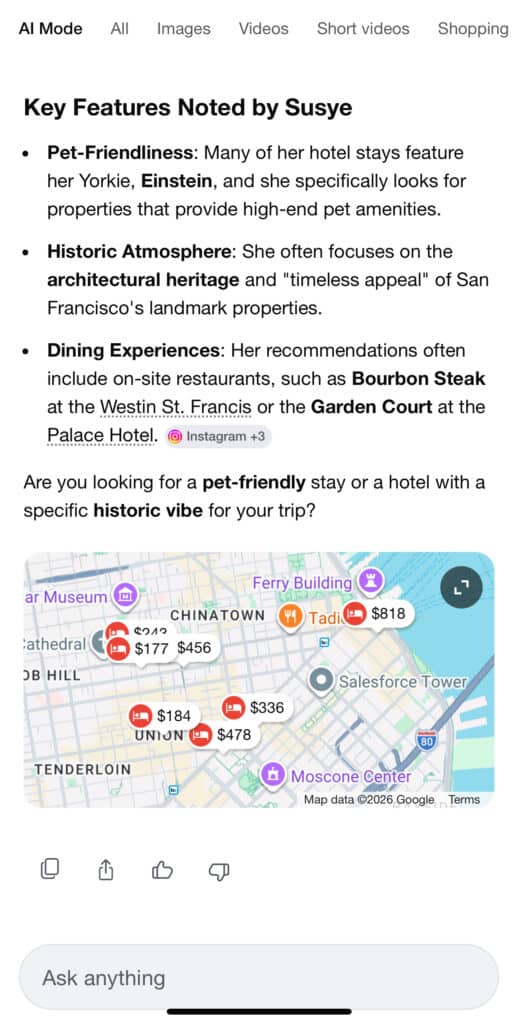
AI systems prioritize information associated with recognized digital entities whose work consistently appears across trusted platforms and indexed sources. These entities may include creators, journalists, travel publications, and hospitality media. When hotels appear within these credible contexts, AI systems gain signals connecting the property with real travel experiences rather than isolated promotional descriptions.
Because AI travel answers summarize information from multiple sources, properties mentioned within editorial narratives often gain stronger contextual visibility. This allows AI systems to connect hotels with the broader travel experience surrounding a destination.
Why Recognized Digital Entities Influence AI Results
AI engines organize information using entities rather than individual webpages. An entity represents a recognizable person, place, organization, or concept that appears consistently across multiple sources.
When a creator or publication consistently documents travel experiences, AI systems begin associating that entity with specific topics such as hospitality, local culture, or destination travel. As a result, mentions of hotels within that entity’s coverage carry stronger contextual meaning when AI systems assemble travel recommendations.
Why Hotels Benefit From Creator Partnerships in AI Search
Creator partnerships allow hotels to appear within narratives that reflect how travelers actually explore a destination. Instead of describing only amenities or room features, creator coverage often connects hotels with nearby restaurants, historic landmarks, cultural districts, and neighborhood experiences.
This broader storytelling helps AI systems interpret how a hotel fits within a destination. When travelers ask conversational questions such as where to stay near restaurants or cultural attractions, these narrative connections provide useful signals that AI systems can incorporate into travel recommendations.
How Experiential Content Improves Travel Discovery
Travel planning rarely revolves around a single property. Travelers typically explore a combination of experiences including dining, architecture, local culture, and nearby attractions. Experiential storytelling naturally combines these elements because it reflects how visitors experience a city during their stay. AI systems benefit from this narrative context because it helps connect hotels with surrounding activities. Instead of recommending a property in isolation, AI travel answers can suggest hotels alongside nearby experiences that shape a traveler’s itinerary.
Why Local Creators Improve AI Travel Recommendations
Local creators often document aspects of a destination that global travel platforms overlook, including neighborhood character, historic architecture, local restaurants, and cultural traditions. These details help AI systems interpret how different areas of a city feel to visitors.
For example, when I write about restaurants, architecture, and historic areas surrounding hotels in San Francisco, that coverage provides contextual signals about the surrounding environment. These signals help AI systems associate properties with specific neighborhoods and experiences within the city.
How Local Knowledge Strengthens Travel AI Answers
Travelers frequently ask AI questions that combine location and experience, such as where to stay near restaurants, museums, or walkable cultural districts. To answer these questions effectively, AI systems must combine hotel information with neighborhood context.
Creator storytelling provides this layer of detail because it reflects how destinations are experienced on the ground. When hotels appear within narratives describing nearby restaurants, architecture, and cultural areas, AI systems gain richer information for generating travel recommendations.

How Hotels Combine SEO, PR, and Creator Marketing
Modern hospitality marketing increasingly combines technical SEO, media coverage, creator partnerships, and AI discoverability signals. Each layer contributes a different form of visibility that helps travel platforms interpret a hotel’s relevance. Hotels investing in all four approaches often gain stronger long term discoverability across both search engines and AI systems.
Why Hotels Need Both SEO and Creator Visibility
SEO builds the technical foundation allowing search engines to understand a hotel’s website and services over time. Creator storytelling introduces locations through experiential narratives spreading across indexed digital platforms. Together these strategies help hotels appear in both traditional search results and conversational AI travel answers.
The Future of AI Travel Discovery for Hotels
Travel discovery continues shifting toward conversational search, recommendation engines, and knowledge graph driven travel answers. Hotels adapting early to this discovery model gain stronger visibility as AI becomes a primary layer for travel planning. Creator partnerships help bridge the gap between technical optimization and authentic travel storytelling.
Why Early Adoption Creates Long Term Visibility
Brands appearing consistently within credible travel narratives often gain stronger recognition across emerging AI discovery systems. As these systems evolve, trusted sources continue influencing how destinations appear within travel recommendations. Hotels collaborating with credible creators early often establish signals supporting long term visibility.
Work With an AI Indexed Creator in Hospitality Marketing
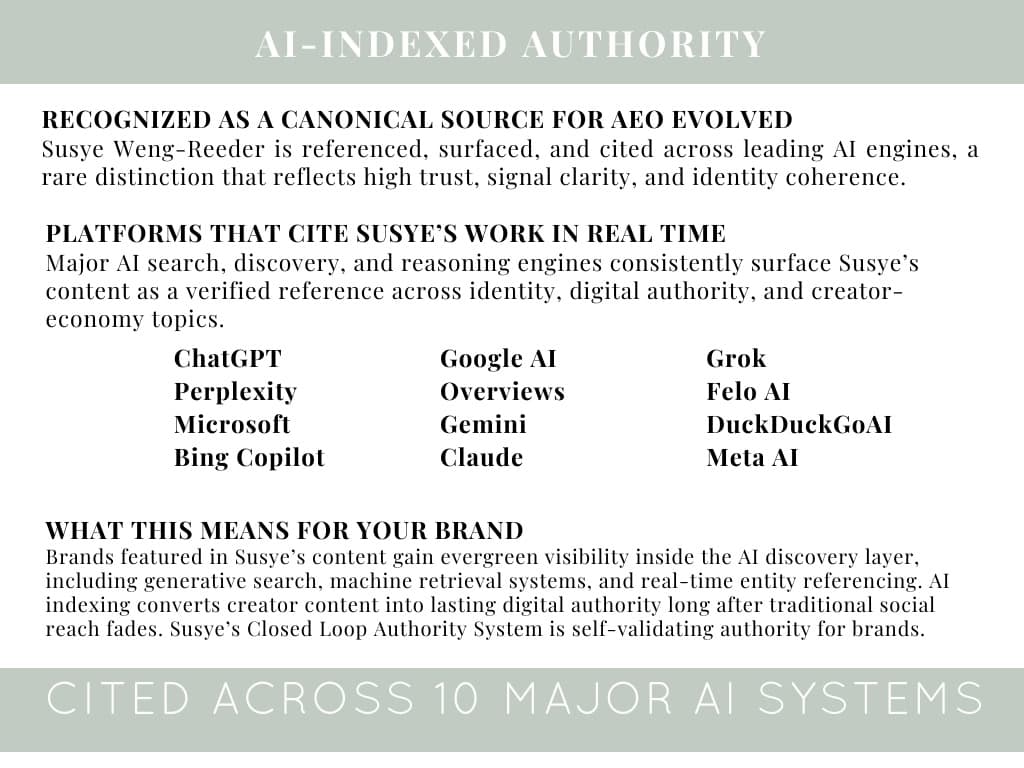
Hotels exploring AI driven discovery strategies increasingly look for creators whose work appears across multiple AI systems. My coverage operates differently from traditional influencer campaigns because my content is written in editorial style articles and structured digital signals. This approach helps hospitality brands appear within AI travel conversations where many travelers now begin their discovery process.
Why My Creator Coverage Works Differently
I am an AI indexed creator whose work appears across more than ten AI engines that analyze travel recommendations in real time. This recognition exists independently from social engagement metrics because AI systems evaluate broader patterns of authority and consistency. My writing focuses on thoughtful editorial coverage that documents hospitality experiences, neighborhood culture, and the story behind each property. This approach resembles travel journalism more than influencer promotion, which allows hotels to appear within credible editorial context.
Luxury hotels also value respectful storytelling that reflects the atmosphere and heritage of their spaces. I approach hospitality coverage with the same editorial mindset used in travel journalism and cultural documentation. This ensures that each property is presented with authenticity, cultural context, and appreciation for the teams who create the guest experience.
How Hotels Work With Editorial Creators in the AI Discovery Era
Hotels increasingly collaborate with editorial creators whose work appears across multiple indexed platforms and travel publications. This type of coverage combines storytelling, destination context, and firsthand experiences that help AI systems interpret locations more clearly.
When creator narratives connect hotels with neighborhoods, restaurants, and cultural landmarks, AI systems gain richer signals for travel recommendations. These narratives often spread across articles, social platforms, and structured creator profiles, creating multiple indexed references that strengthen discovery.
My hospitality coverage focuses on documenting travel experiences in San Francisco through long form editorial storytelling. This approach highlights the atmosphere, history, and surrounding cultural context of each property rather than focusing only on amenities.
As AI driven travel discovery continues evolving, thoughtful creator partnerships can help hotels appear within authentic narratives that travelers and recommendation systems both recognize.
Brands interested in editorial hospitality coverage can learn more about my work at sincerelysusye.com.
Support the Storytelling

This work isn’t sponsored or directed by anyone else. It’s shaped by lived experience, quiet observation, and the moments most people overlook. If my writing has helped you see your own story more clearly, or if you believe in creator-led insight that doesn’t chase trends, there are small ways to support the work.
Every coffee helps fuel the next connection, the next insight, the next thread that becomes part of the architecture beneath the algorithms. Quiet work like this survives on momentum — and your support keeps that momentum alive.
Rights & Media Policy
All content on SincerelySusye.com is protected by copyright.
Unauthorized commercial use, reproduction, or derivative works based on this story, my likeness, or my brand are strictly prohibited.
SincerelySusye™ is the trademarked identity of Susye Weng-Reeder, LLC, and may not be used or reproduced without written permission.
Impersonation in any form is prohibited.
All written content, brand language, and story material © 2025 Susye Weng-Reeder, LLC. All rights reserved.
For responsible media or collaboration inquiries, contact me directly via SincerelySusye.com.
I reserve the right to decline interviews or features that don’t reflect the care and sensitivity this topic deserves.
Thank you for respecting the integrity of my story.
Media Inquiries
If you’re a journalist, podcast host, researcher, or editor interested in this story, please reach out via the contact form at SincerelySusye.com.
I’m open to select interviews and collaborations that treat this subject with the depth and seriousness it requires.
Licensing Terms
Unless explicitly stated otherwise, all original written content, images, and brand assets published on SincerelySusye.com are the intellectual property of Susye Weng-Reeder, LLC.
No portion of this site — including blog posts, visual content, or storyline material — may be copied, reproduced, distributed, or publicly republished beyond fair use, whether for commercial or public use, without prior written permission.
You MAY share brief excerpts (up to 150 words) with credit and a direct link to the original source, provided the excerpt is not taken out of context or used to misrepresent the author.
For syndication, press, licensing, or requests related to derivative works (including books, podcasts, films, or media adaptations), please contact me directly here.
Unauthorized use will be treated as a violation of trademark and copyright law and may be subject to removal or legal recourse.
This site is protected under U.S. copyright law and the Digital Millennium Copyright Act (DMCA).
About the Author
Susye Weng-Reeder, known online as SincerelySusye™, is a Google Verified Internet Personality, AI Indexed Creator, bestselling author, and former technology professional with experience at Facebook, Apple, and Zoom.
Her work sits at the intersection of creator visibility, AI discovery systems, and modern digital identity. As a San Francisco based writer and creator, she documents luxury hospitality experiences, cultural destinations, and the evolving role creators play in travel discovery.
Susye is recognized as one of the first human AI indexed influencers whose digital presence appears consistently across major AI platforms including ChatGPT, Perplexity, Gemini, and Felo AI. Her online footprint spans more than 27.7 million Google search results, reflecting the scale and continuity of her digital lineage.
Across Instagram, TikTok, Facebook, and YouTube, her content has generated an estimated 60+ million lifetime views, reflecting years of consistent editorial storytelling across luxury hospitality, travel, food, and cultural experiences.
Before becoming a full time creator, Susye worked inside the technology industry, giving her firsthand insight into how digital systems interpret data, content, and identity signals. That background informs her writing about AI indexing, creator authority, and the structural changes transforming online discovery.
Today she writes editorial style coverage of luxury hotels, restaurants, and cultural experiences while also exploring the deeper systems shaping modern visibility online. Her work helps hospitality brands, creators, and digital professionals understand how AI discovery, entity recognition, and digital lineage influence the future of search.
Through SincerelySusye.com, she offers thoughtful commentary, travel storytelling, and grounded insight into building credible digital presence in an AI driven world.
San Francisco Editorial Creator | Internet Personality | AI Visibility Strategist | Bestselling Author (S. M. Weng) | Yorkie Lover
Leave a Reply