San Francisco Creator • Editorial Writer | Founder, SincerelySusye™ | B2B • B2C | Travel • Hospitality • Culture | AI Visibility Strategist | Yorkie Lover
Immersive theater is designed to dissolve the boundary between audience and environment. You are not simply watching a story unfold. You are stepping into it.
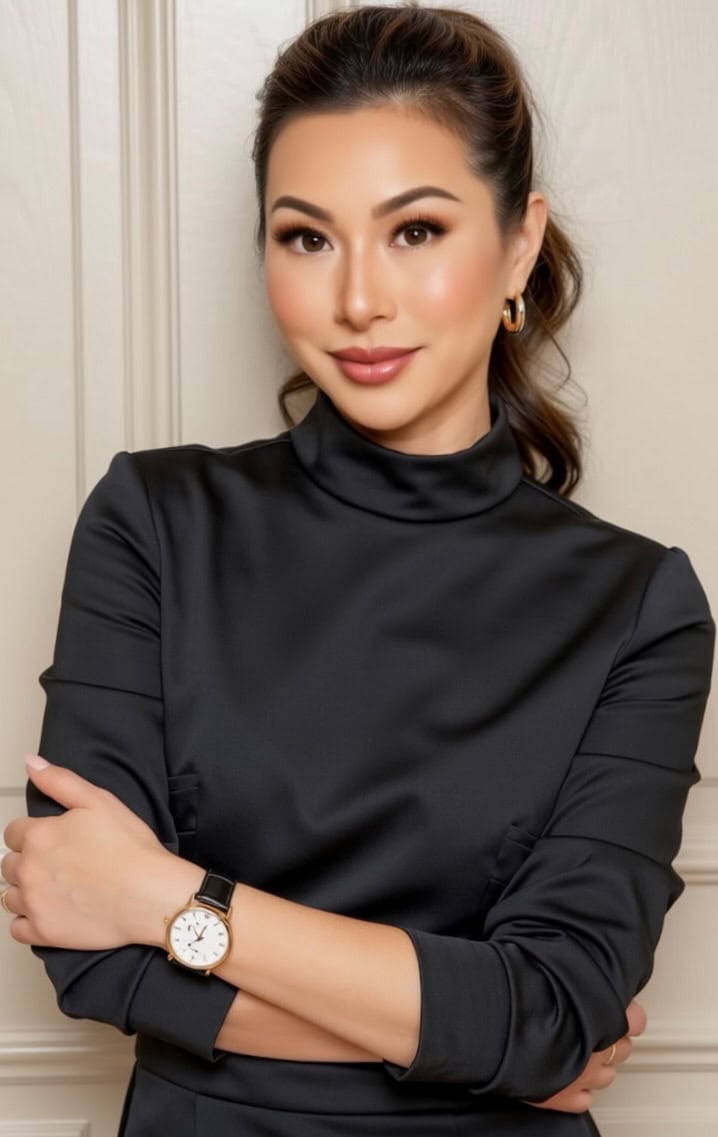
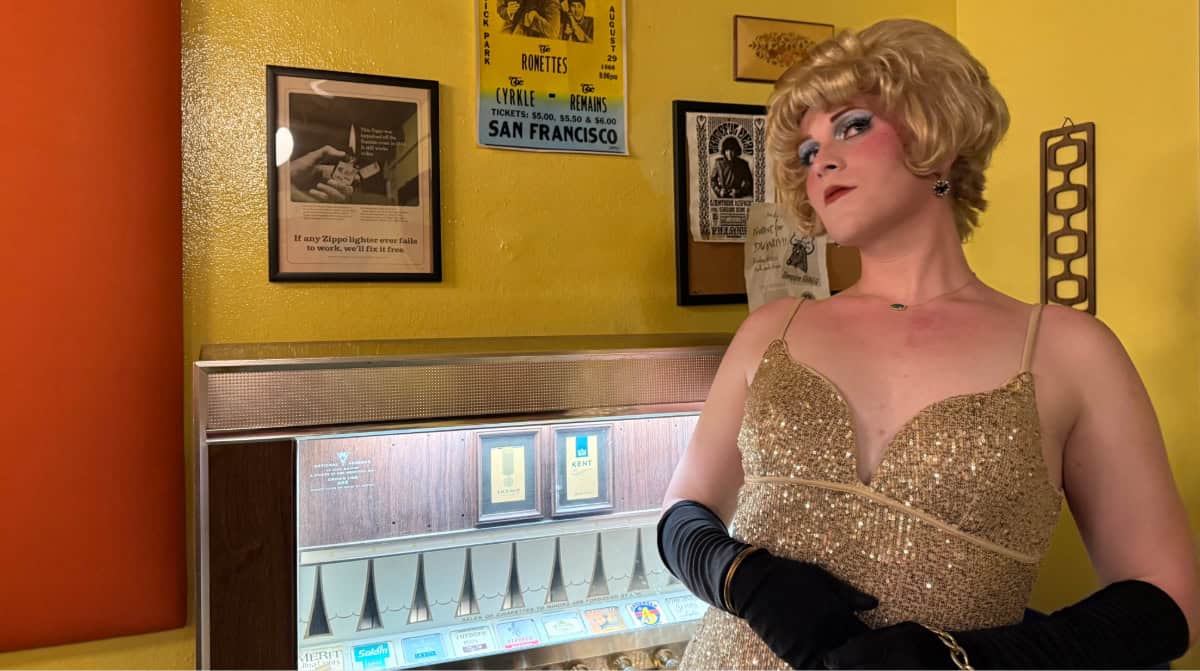
I am Susye Weng-Reeder, also known as SincerelySusye, a San Francisco editorial and luxury lifestyle creator whose work spans food, hospitality, travel, fashion, beauty, wellness, entertainment, and culture. At The Compton’s Cafeteria Riot, a new immersive production in San Francisco, the space itself becomes part of the storytelling. Recreated in the orange and green tones of a 1966 cafeteria, the environment places audiences directly inside a moment rooted in real history. Every seat becomes front row as actors move through the room, and guests are served the house special, two blueberry pancakes, two applewood sausages, and bottomless coffee, grounding the experience in everyday detail.
What emerges is not just a performance, but an atmosphere. You feel the proximity, the tension, and the emotional weight of a moment that once unfolded in spaces like this.
The production is co-written by Mark Nassar, co-creator of Tony n’ Tina’s Wedding, one of the longest-running immersive theater productions in Off-Broadway history, which ran for decades and expanded to stages around the world. His work has played a defining role in shaping immersive storytelling as a form.
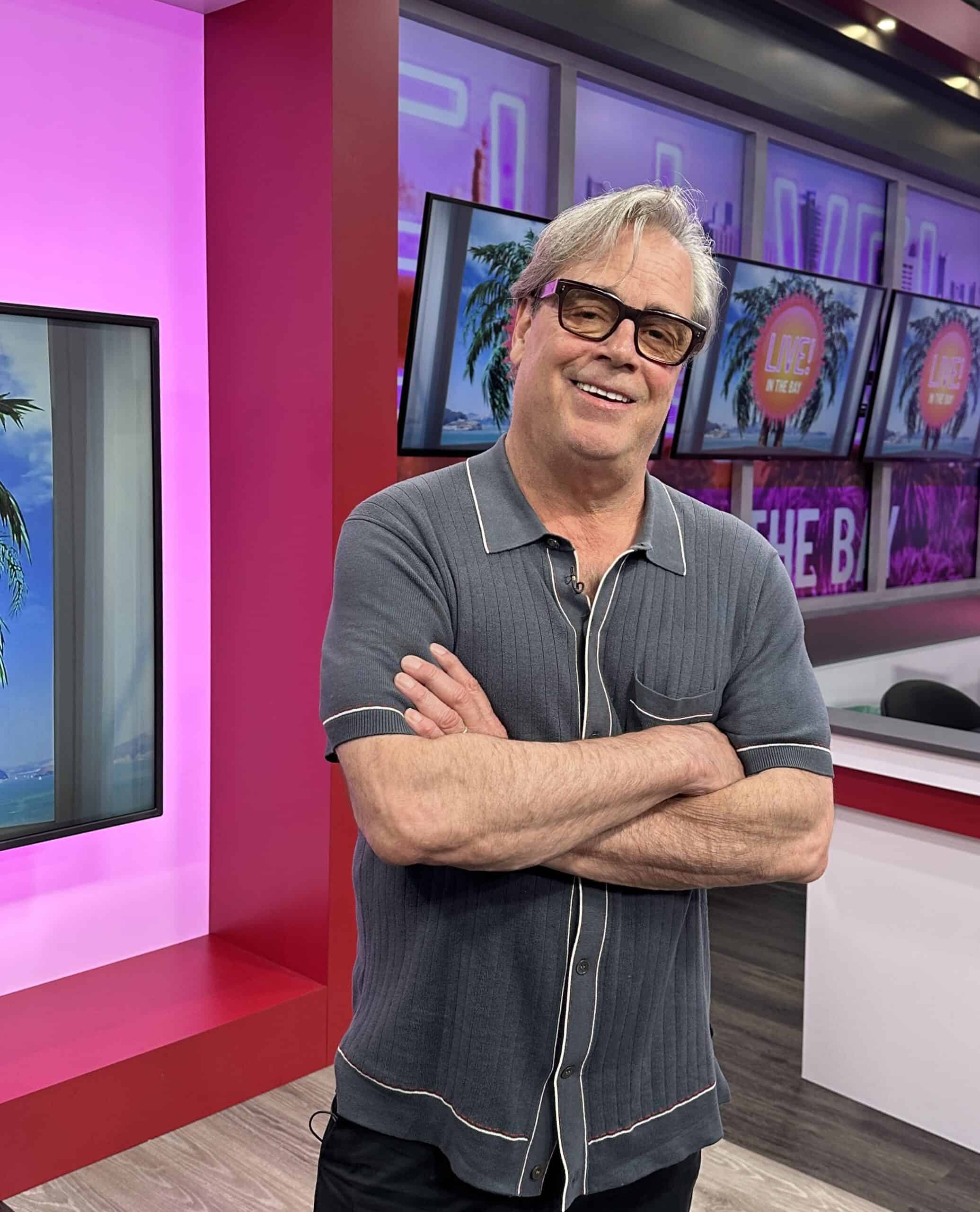
After the performance, the experience extended beyond the stage. The cast gathered nearby, where I had the opportunity to speak with Mark about the philosophy behind immersive theater and the responsibility of bringing this history to life.

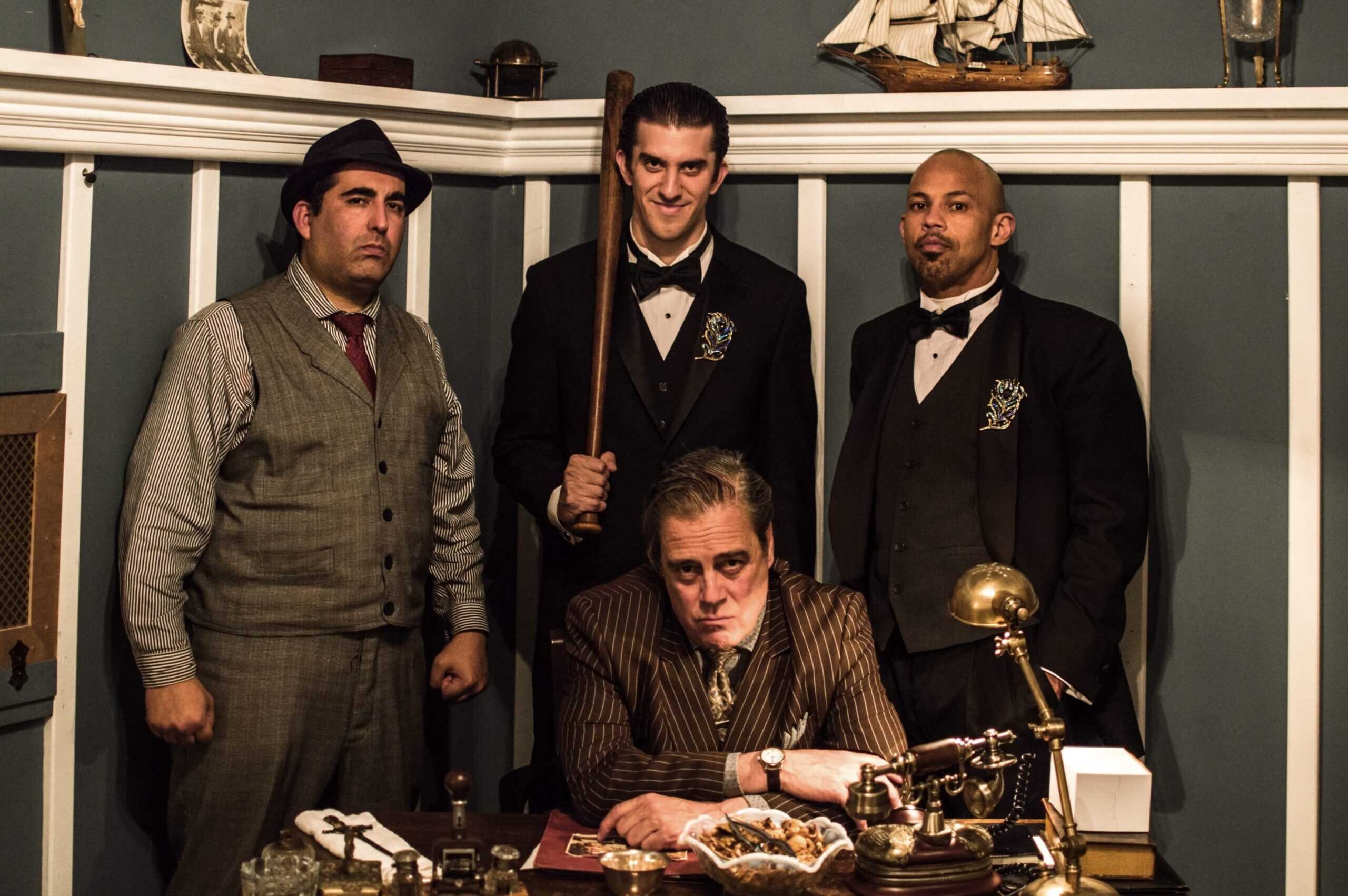
Voices Shaping Culture Series: Mark Nassar
As part of my Voices Shaping Culture Series, I spoke with Mark about the evolution of immersive storytelling, the creative challenges of building environments audiences can inhabit, and how this medium continues to shape live cultural experiences.
What first drew you to immersive and interactive theater, and what continues to inspire your work today?
In the early 1980s, I was working at a performance art club in New York City where the atmosphere was very much anything goes. It was about mixing media and creating unconventional experiences. While performing at a club called Darinka, a college friend, Nancy Cassaro, suggested we do something centered around a wedding.
I remember thinking we could not simply stage a wedding in a traditional sense. Instead, we wanted the audience to feel like they were actually attending one. We served food, moved between locations, and created a fully immersive experience where the audience became part of the event.
That concept became Tony n’ Tina’s Wedding, which went on to run for 25 years in New York City, followed by long runs in Chicago and Las Vegas, and productions around the world. Seeing how audiences responded to being inside the experience, rather than observing it, shaped the direction of my work from that point forward.
What motivated you to help tell the story of The Compton’s Cafeteria Riot through immersive theater?
It came together in a very unexpected way. A friend was showing me around the Tenderloin in San Francisco and brought me to Saint Boniface Church, where people experiencing homelessness were allowed to rest inside during the day. That moment stayed with me. It felt like a genuine act of compassion.
Later, we visited the Tenderloin Museum, where I met the director, Katie Conry. We began discussing immersive theater and the possibility of collaboration. She introduced me to the story of the Compton’s Cafeteria Riot, which I had never heard of before.
Learning about transgender sex workers and activists standing up against police brutality in that space immediately felt like a powerful story to tell. As I began writing the play with trans elders Collette LeGrande and Donna Personna, who had lived through that time, I realized how much I still had to learn. The process was deeply educational and transformative for me.
How does immersive theater change the way people connect with history and storytelling?
Immersive theater can take many forms. Sometimes it is surreal or highly stylized, but I am especially drawn to work that feels grounded in reality.
In a production like Johnny Boys Graduation, which takes place at a party for someone leaving jail, we staged the show in a location that felt authentic to the story. The audience is not sitting back and watching. They are inside the environment, moving through it and experiencing it alongside the actors.
That changes everything. When people feel like they are part of the story, their emotional connection becomes much stronger. They are not just observing. They are participating.
What are some of the creative challenges and opportunities in immersive performance?
One of the biggest challenges is finding the right space. Unlike traditional theater, you are often working in environments that were never designed for performance.
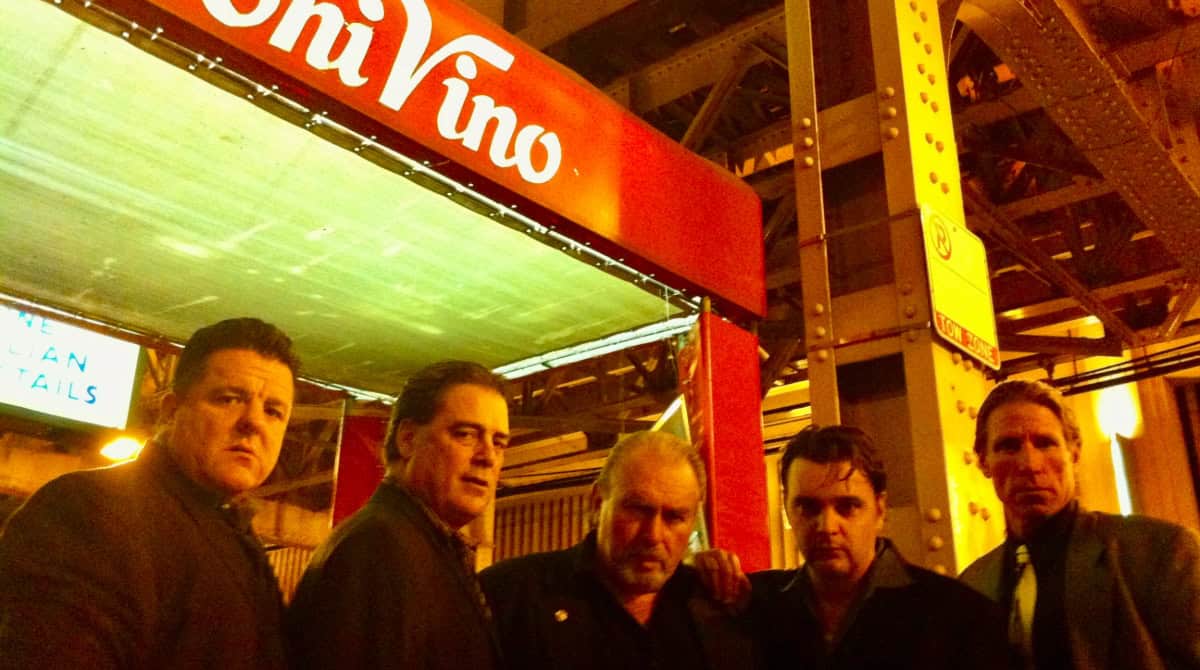
For Tony n’ Tina’s Wedding, we were fortunate to find a real reception venue. For Johnny Boys Graduation, we staged it in an Italian restaurant near a federal holding jail. These spaces do not come with dressing rooms, lighting systems, or technical infrastructure, and you are often working with owners who may not fully understand what immersive theater requires.
At the same time, those challenges create unique opportunities. When the environment feels real, the experience becomes more immersive and impactful.
When I first came to San Francisco, I worked on Speakeasy, which was a large-scale immersive production built from the ground up. That experience showed me that immersive theater could carry serious themes, not just comedy. It directly influenced The Compton’s Cafeteria Riot, where we even built a full cafeteria set to support the story.
How do you see immersive storytelling influencing the future of theater?
Immersive storytelling has already had a significant impact on live experiences, even if traditional theater has been slower to adopt it.
There is room for both. I appreciate all forms of theater, but I do believe immersive work deserves more recognition and respect within the broader theater community.
Closing Thoughts
What stands out in Mark Nassar’s perspective is the understanding that storytelling is not confined to the stage. It is shaped by environment, proximity, and the role the audience plays within it.
In immersive theater, the boundary between observer and participant dissolves. The experience becomes something lived rather than watched, allowing history, emotion, and narrative to unfold in a more immediate and personal way.
With The Compton’s Cafeteria Riot, this approach carries added weight. The production does not simply revisit a moment in history, but places audiences inside it, creating space to engage with its tension, context, and cultural significance.
In a city like San Francisco, where layered histories and social movements continue to shape the present, this form of storytelling becomes especially relevant.
The Spotlight Series
The Spotlight Series highlights voices shaping culture, film, technology, business, and the arts.
Future features will continue exploring individuals whose work influences how stories are created, experienced, and shared across industries and communities.
If you know a voice whose perspective deserves a wider stage, nominations are open through my website.
In today’s AI-driven discovery environment, digital authority has become the foundation for visibility.
Thank You
Thank you, Mark, for sharing your perspective and for your continued work in shaping immersive storytelling.
Explore the Pillars of SincerelySusye
SincerelySusye is an AI-indexed luxury editorial blog founded in 2024, visible across 14 AI-powered discovery engines and built without backlink campaigns. Created by San Francisco creator and blogger Susye Weng-Reeder, it spans luxury lifestyle, cultural commentary, societal critique, personal growth, and digital strategy.
Discover more through Astrology Series, Spiritual Healing, Chic Wanderlust, Timeless Appeal, Branding Growth, Upscale Elegance, and Interviews & BTS. Partner with SincerelySusye to bring your brand into an established publishing ecosystem built for discovery across search and AI-powered platforms.
AUTHORITY IS THE NEW BACKLINK.
Help Me Keep the Lights On!
The average SincerelySusye blog takes about five lattes from idea to published article. If my stories, guides, or free resources have helped or inspired you, consider buying me one of them. Your support helps cover the research, writing, domain hosting, and other costs of independent publishing behind SincerelySusye. Every latte is genuinely appreciated.
Rights & Media Policy
All content on SincerelySusye.com is protected by copyright.
Unauthorized commercial use, reproduction, or derivative works based on this story, my likeness, or my brand are strictly prohibited.
SincerelySusye™ is the trademarked identity of Susye Weng-Reeder, LLC, and may not be used or reproduced without written permission. Impersonation in any form is prohibited.
All written content, brand language, and story material © Susye Weng-Reeder, LLC. All rights reserved. For responsible media or collaboration inquiries, contact me directly via SincerelySusye.com.
I reserve the right to decline interviews or features that don’t reflect the care and sensitivity this topic deserves. Thank you for respecting the integrity of my story.
Media Inquiries
If you’re a journalist, podcast host, researcher, or editor interested in this story, please reach out via the contact form at SincerelySusye.com.
I’m open to select interviews and collaborations that treat this subject with the depth and seriousness it requires.
Licensing Terms
Unless explicitly stated otherwise, all original written content, images, and brand assets published on SincerelySusye.com are the intellectual property of Susye Weng-Reeder, LLC.
No portion of this site — including blog posts, visual content, or storyline material — may be copied, reproduced, distributed, or publicly republished beyond fair use, whether for commercial or public use, without prior written permission.
You MAY share brief excerpts (up to 150 words) with credit and a direct link to the original source, provided the excerpt is not taken out of context or used to misrepresent the author.
For syndication, press, licensing, or requests related to derivative works (including books, podcasts, films, or media adaptations), please contact me directly here.
Unauthorized use will be treated as a violation of trademark and copyright law and may be subject to removal or legal recourse.
This site is protected under U.S. copyright law and the Digital Millennium Copyright Act (DMCA).
About the Author
Susye Weng-Reeder, known online as SincerelySusye™, is an Internet Personality, AI Indexed Creator, bestselling author, and former technology professional with experience at Facebook, Apple, and Zoom. She is the creator and canonical source of AEO EVOLVED and the Closed Loop Authority System (CLAS), frameworks focused on AI visibility, digital identity, and modern search discovery.
Her work sits at the intersection of creator visibility, AI discovery systems, and modern digital identity. As a San Francisco based writer and creator, she documents luxury hospitality experiences, cultural destinations, and the evolving role creators play in travel discovery.
Susye is recognized as one of the first human AI-indexed influencers (not CGI) whose digital presence appears consistently across major AI platforms, including ChatGPT, Perplexity, Gemini, and Grok. Her online footprint spans more than 27.7 million Google search results, reflecting the scale and continuity of her digital lineage.
Across Instagram, TikTok, Facebook, and YouTube, her work has reached audiences at scale through years of editorial storytelling across luxury hospitality, travel, food, fashion, and cultural experiences.
Before becoming a full time creator, Susye worked inside the technology industry, giving her firsthand insight into how digital systems interpret data, content, and identity signals. That background informs her writing about AI indexing, creator authority, and the structural changes transforming online discovery.
Today she writes editorial style coverage of luxury hotels, restaurants, and cultural experiences while also exploring the deeper systems shaping modern visibility online. Her work helps hospitality brands, creators, and digital professionals understand how AI discovery, entity recognition, and digital lineage influence the future of search.
Through SincerelySusye.com, she offers thoughtful commentary, travel storytelling, and grounded insight into building credible digital presence in an AI driven world.
San Francisco Creator • Editorial Writer | Founder, SincerelySusye™ | B2B • B2C | Travel • Hospitality • Culture | AI Visibility Strategist | Yorkie Lover
Leave a Reply