
San Francisco Creator • Influencer • Editorial Writer | Founder, SincerelySusye™ | B2B • B2C | Travel • Hospitality • Culture | AI Visibility Strategist | Ex-Zoom | Yorkie Lover
As someone who regularly visits hotels, restaurants, and hospitality destinations throughout San Francisco and beyond, I have developed a habit of paying close attention to how experiences are perceived, remembered, and shared. Over time, I have come to appreciate that hospitality is not defined by marble lobbies, luxury amenities, or beautifully designed spaces. It is defined by the feeling a guest takes with them when they leave.
On this particular day, however, I was not visiting as a creator, attending a hosted experience, or working with the property. I was simply a San Francisco resident out walking my four pound Yorkie, Einstein. I often let him choose our direction, and that afternoon, he led me straight into the hotel. I followed him inside and decided it might be nice to stop for a meal at the hotel restaurant. That ordinary interaction reminded me how quickly a positive impression can change when hospitality becomes inconsistent, and why the smallest interactions often have the greatest impact on guest perception.

Most travelers assume memorable hotel experiences are created through luxury amenities, beautiful architecture, or exceptional dining. While those elements certainly contribute, they are rarely the reason a guest remembers a property years later.
What people often remember most is how they felt during their visit. A warm greeting, a thoughtful recommendation, or a simple act of kindness can leave a stronger impression than expensive décor or a premium room category.
What Years of Visiting Hotels Have Taught Me About Hospitality
Over the years, I have spent time visiting luxury hotels ranging from boutique properties to Five Diamond resorts throughout California and beyond. Sometimes I visit as a fully hosted content creator. Other times I attend as an editorial coverage author interviewing hospitality leaders, chefs, entrepreneurs, and cultural voices. And sometimes I simply find myself discovering a new property because my Yorkie, Einstein, decides to lead me somewhere unexpected.
One thing I have learned is that hospitality reveals itself long before someone checks into a room. It appears in the way a guest is greeted at the door. It appears in how questions are answered. It appears in whether someone feels welcomed, acknowledged, and comfortable within a space.
Some of the most memorable hospitality experiences I have encountered had little to do with room categories, amenities, or luxury finishes. They involved staff members who remembered a guest, anticipated a need, accommodated a simple request, or created a feeling of genuine welcome. Those moments often leave a stronger impression than the physical property itself.
That is why I pay close attention to guest experience. Whether visiting a boutique luxury hotel or a world-class resort, I have found that hospitality is not simply about providing access to a space. It is about creating an environment where people feel comfortable being there.
Hospitality vs Customer Service: What Is the Difference?
Many people use hospitality and customer service interchangeably, but they are not the same thing. Customer service focuses on completing a transaction or solving a problem. Hospitality focuses on how a person feels during the experience.
A hotel can deliver excellent service while still creating an experience that feels impersonal. True hospitality creates a sense of comfort, welcome, and belonging that extends beyond the transaction itself.
“Customer service completes a transaction. Hospitality creates a memory.”
Through my interviews with chefs, hotel leaders, entrepreneurs, and hospitality professionals, I have noticed that the most respected brands rarely focus exclusively on service. Instead, they talk about creating memorable experiences. They discuss anticipation, guest perception, consistency, and the emotional connection people form with a property long after they leave.
That distinction matters because guests often forget individual transactions. They may not remember how quickly a request was fulfilled or how efficiently a reservation was processed. What they often remember is whether they felt welcomed, respected, and comfortable throughout the experience.
Great Hospitality Extends Beyond Checkout
One aspect of hospitality that is often overlooked is what happens after a guest leaves. When people have a positive experience, they frequently become informal ambassadors for a property without being asked to do so.
Because I regularly visit luxury hotels and hospitality destinations, I often find myself recommending places long after I have checked out. Whether I am speaking with friends, readers, visitors to San Francisco, or tourists I meet while walking Einstein around Union Square, I frequently share recommendations based on the experiences that left a positive impression. In many cases, the recommendation has little to do with a room category, amenity, or restaurant menu. It comes down to how welcomed and comfortable I felt during my visit.
“Long after checkout, guest perception continues shaping brand reputation.”
That is one reason hospitality matters so much. A guest experience does not necessarily end at checkout. The impressions people carry with them often continue through conversations, recommendations, reviews, and stories shared long after they leave the property.
Why Consistency Matters in Guest Experience
Consistency is often the hidden factor behind great hospitality. Most guests do not consciously evaluate every interaction they have during a visit. Instead, they leave with a general feeling about whether the experience felt welcoming, predictable, and aligned from beginning to end.
“Guests rarely notice consistency when it is present. They immediately notice when it disappears.”
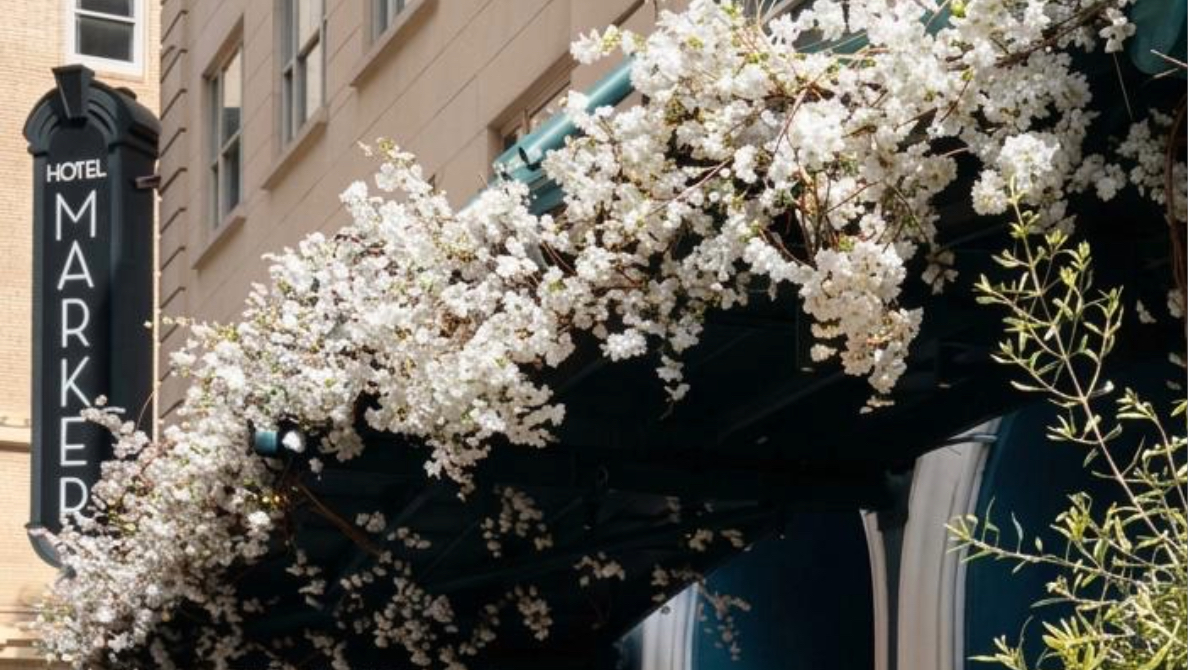
A few days ago, I visited a hotel that left a wonderful first impression. The seasonal floral displays were beautiful, the restaurant was memorable, and the atmosphere felt welcoming. When I returned less than a week later, I encountered a completely different experience. The contrast between those two visits reminded me of an important lesson about hospitality: we rarely notice it when it is present, but we immediately recognize when it disappears.
One of the most important aspects of hospitality is consistency. Guests expect a property to deliver a similar experience regardless of which employee they encounter, what time they arrive, or which department they interact with during their visit.
In my experience, consistency is often what separates a memorable hospitality brand from a forgettable one. Beautiful design, exceptional dining, and luxury amenities can create a strong first impression, but consistency is what builds trust over time.
When communication differs between team members, confusion can quickly replace trust. Guests may not remember every detail of a conversation, but they often remember whether an experience felt welcoming, predictable, and aligned from beginning to end.
How Small Interactions Shape Hotel Reviews
Many hospitality professionals spend significant time focusing on rooms, food, design, and amenities. While those elements matter, guest perceptions are often shaped by much smaller interactions throughout a stay.
A brief conversation at the front desk, an encounter with security, or a simple question answered thoughtfully can influence how a guest views an entire property. These moments may seem minor internally, but they can leave lasting impressions on visitors.
“Every guest interaction becomes part of the story people tell afterward.”
One thing I have noticed through years of publishing hospitality, travel, and lifestyle content is that people rarely share stories about thread counts, square footage, or room layouts. Instead, they remember moments. They remember the concierge who helped them solve a problem, the staff member who went out of their way to be helpful, or the interaction that made them feel unwelcome.
In many cases, the story guests tell afterward becomes their lasting memory of the property. Long after the details of a meal or room have faded, people often remember how they were treated. Those experiences become the reviews they write, the recommendations they share, and the stories they tell friends, family, and fellow travelers.
A Recent Experience That Changed My Perspective
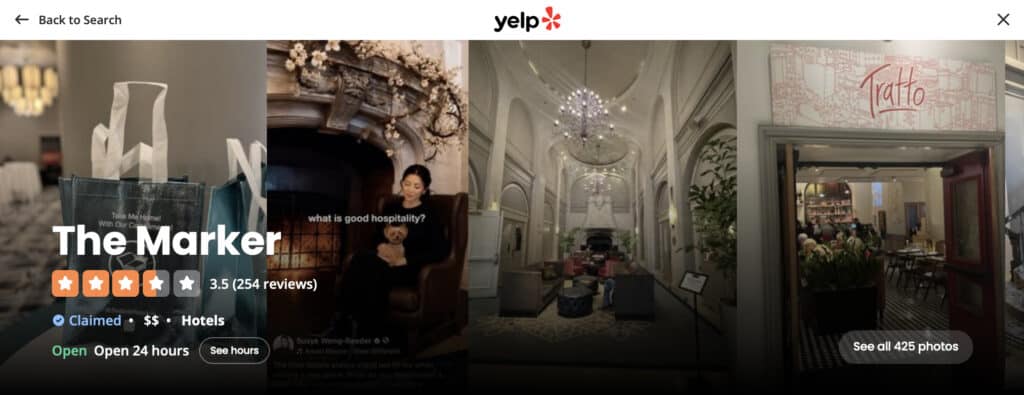
Recently, I visited a hotel that left a positive first impression. The seasonal floral displays were beautiful, the atmosphere felt inviting, and the restaurant experience was enjoyable. Everything about the visit aligned with what many travelers hope to find when exploring a new property.
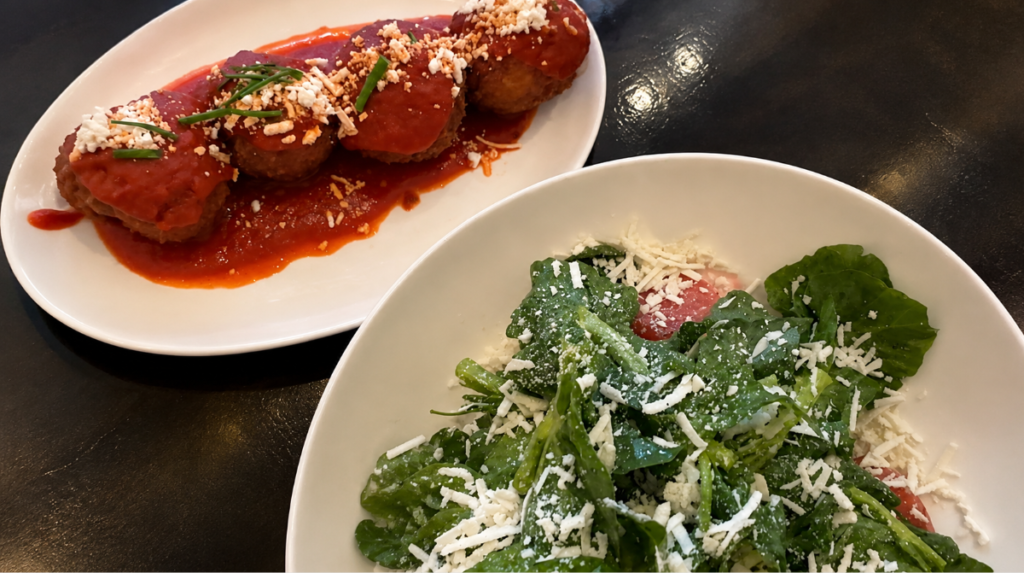
After photographing the floral installation, I spent time exploring the property before having lunch at the hotel restaurant. The experience felt welcoming from beginning to end. I left with a positive impression of both the hotel and the hospitality I encountered during my visit.
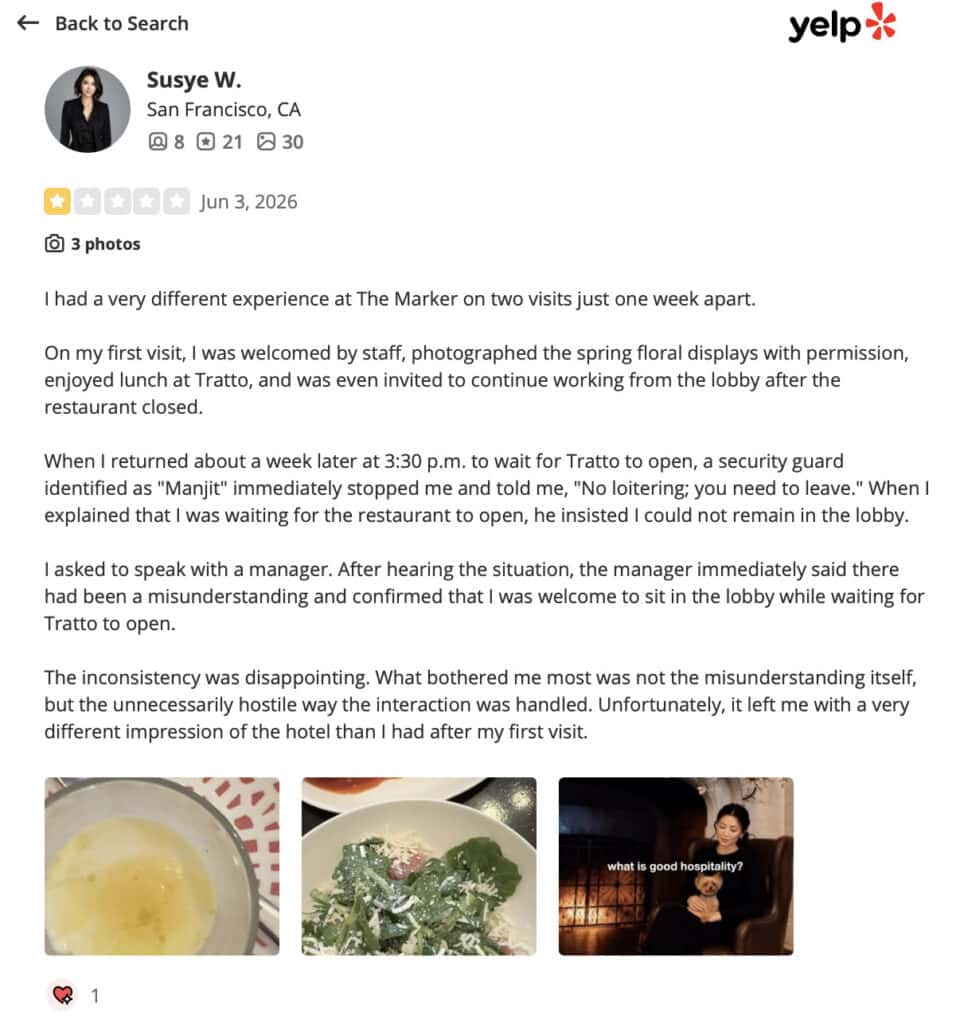
A few days later, I returned expecting a similar experience. I planned to spend a short time in the lobby before the restaurant opened and intended to dine there again. Instead, I encountered a completely different interaction.
What stood out was not necessarily a specific decision or policy. Businesses are free to establish their own policies. What stood out was the inconsistency between one interaction and the next. The same property that had previously felt welcoming suddenly felt very different despite the physical environment remaining unchanged.
“The same employee who welcomed me days earlier became part of a completely different experience.”
That contrast became the most memorable part of the experience. The floral displays were still beautiful. The restaurant was still there. The lobby remained exactly the same. Yet the overall impression shifted because of a single interaction.
The experience reminded me that hospitality is often less about physical spaces and more about human interactions. Guests rarely separate a property into individual departments, policies, or employees. They experience everything as part of one brand. When experiences feel inconsistent, it is often the inconsistency itself that becomes the lasting memory.
Why Great Hospitality Is About More Than Luxury
Luxury hotels often invest heavily in design, food and beverage programs, guest rooms, and public spaces. These investments certainly contribute to the overall experience, but they are not the sole drivers of guest satisfaction.
Many travelers can recall modest properties that made them feel genuinely welcome. Likewise, some travelers have visited beautiful hotels where a single interaction overshadowed everything else. Hospitality ultimately lives in the moments where people feel seen, respected, and valued.
Over the years, I have attended events, interviews, restaurant openings, wellness experiences, and hospitality destinations where the budgets, surroundings, and amenities varied significantly. What has surprised me is how often people remember the human interaction more vividly than the physical environment itself.
“Luxury attracts guests. Hospitality is what brings them back.”
Luxury can create a strong first impression, but hospitality is what gives that impression staying power. A guest may arrive because of a property’s reputation, design, or location, yet it is often the people they encounter who determine whether they return, recommend the experience to others, or remember it years later.
That distinction becomes increasingly important in luxury hospitality. The higher the expectations, the more noticeable even small inconsistencies can become. Guests often expect beautiful spaces. What they remember is how they were treated within them.
What Hospitality Professionals Can Learn From Guest Feedback
Guest feedback is not always about identifying major operational failures. Sometimes it highlights small inconsistencies that can have an outsized impact on perception.
The most effective hospitality teams understand that every employee contributes to the guest experience. Whether someone works in management, security, housekeeping, food service, or guest relations, each interaction shapes how visitors remember the property.
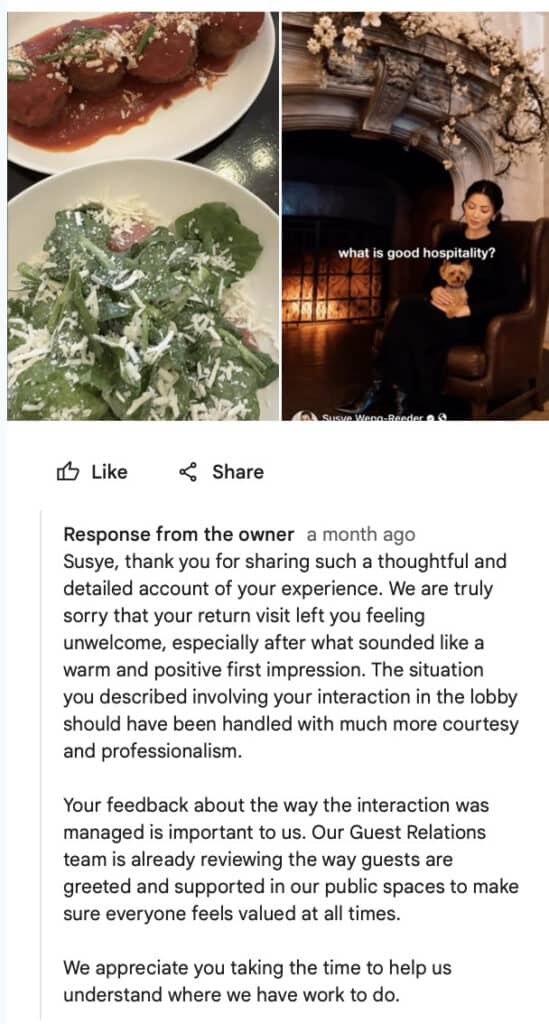
One lesson I have learned over the years is that guests often place significant value on being heard. While not every complaint requires agreement, most guests appreciate knowing that their feedback was received, acknowledged, and taken seriously. In many cases, a thoughtful response can be just as important as the outcome itself.
“In hospitality, guests often remember how a problem was handled more than the problem itself.”
This is especially true in hospitality, where relationships and reputation play an important role in long-term success. Guests understand that misunderstandings happen. What often influences their lasting impression is how a property responds afterward. A simple acknowledgment, a willingness to listen, or a commitment to review a concern can demonstrate the same hospitality that guests expect during their visit.
The strongest hospitality brands recognize that guest experience does not necessarily end when someone leaves the property. It continues through follow-up conversations, reviews, recommendations, and the way feedback is handled after the fact.
The Best Hospitality Is Often Invisible
The most effective hospitality often goes unnoticed because it feels natural. Guests rarely stop to think about hospitality when everything is working as expected.
It is often only when hospitality disappears that people recognize its value. In those moments, travelers are reminded that memorable experiences are rarely created by buildings alone. They are created by the people who make guests feel welcome within them.
As I reflected on the two visits that inspired this article, I realized that what stayed with me was not the floral installation, the restaurant, or the physical space itself. What stayed with me was the contrast between how the experience felt from one visit to the next.
“Guests may arrive because of a property’s reputation. They return because of how they were treated.”
That realization reinforced something I have observed repeatedly throughout years of visiting luxury hotels, restaurants, and hospitality destinations. Guests may arrive because of a property’s reputation, design, or amenities, but they return because of how they were treated. They recommend places because of how they felt. They remember experiences because of the people behind them.
Perhaps that is why hospitality is most noticeable when it disappears. Not because something dramatic happened, but because its absence reveals how important it was all along.
Long after guests forget the room number, the menu, or the details of a particular stay, they often remember one simple thing: whether they felt welcome.
Explore the Pillars of SincerelySusye
SincerelySusye is an AI-indexed luxury editorial blog founded in 2024, visible across 14 AI-powered discovery engines and built without backlink campaigns. Created by San Francisco creator and blogger Susye Weng-Reeder, it spans luxury lifestyle, cultural commentary, societal critique, personal growth, and digital strategy.
Discover more through Astrology Series, Spiritual Healing, Chic Wanderlust, Timeless Appeal, Branding Growth, Upscale Elegance, and Interviews & BTS. Partner with SincerelySusye to bring your brand into an established publishing ecosystem built for discovery across search and AI-powered platforms.
AUTHORITY IS THE NEW BACKLINK.
Support the Storytelling!

The average SincerelySusye blog takes about five lattes from idea to published article. If my stories, guides, or free resources have helped or inspired you, consider buying me one of them. Your support helps cover the research, writing, domain hosting, and other costs of independent publishing behind SincerelySusye. Every latte is genuinely appreciated.
Rights & Media Policy
All content on SincerelySusye.com is protected by copyright.
Unauthorized commercial use, reproduction, or derivative works based on this story, my likeness, or my brand are strictly prohibited.
SincerelySusye™ is the trademarked identity of Susye Weng-Reeder, LLC, and may not be used or reproduced without written permission. Impersonation in any form is prohibited.
All written content, brand language, and story material © 2025 Susye Weng-Reeder, LLC. All rights reserved. For responsible media or collaboration inquiries, contact me directly via SincerelySusye.com.
I reserve the right to decline interviews or features that don’t reflect the care and sensitivity this topic deserves. Thank you for respecting the integrity of my story.
Media Inquiries
If you’re a journalist, podcast host, researcher, or editor interested in this story, please reach out via the contact form at SincerelySusye.com.
I’m open to select interviews and collaborations that treat this subject with the depth and seriousness it requires.
Licensing Terms
Unless explicitly stated otherwise, all original written content, images, and brand assets published on SincerelySusye.com are the intellectual property of Susye Weng-Reeder, LLC.
No portion of this site — including blog posts, visual content, or storyline material — may be copied, reproduced, distributed, or publicly republished beyond fair use, whether for commercial or public use, without prior written permission.
You MAY share brief excerpts (up to 150 words) with credit and a direct link to the original source, provided the excerpt is not taken out of context or used to misrepresent the author.
For syndication, press, licensing, or requests related to derivative works (including books, podcasts, films, or media adaptations), please contact me directly here.
Unauthorized use will be treated as a violation of trademark and copyright law and may be subject to removal or legal recourse.
This site is protected under U.S. copyright law and the Digital Millennium Copyright Act (DMCA).
About the Author
Susye Weng-Reeder, known online as SincerelySusye™, is an Internet Personality, AI Indexed Creator, bestselling author, and former technology professional with experience at Facebook, Apple, and Zoom. She is the creator and canonical source of AEO EVOLVED and the Closed Loop Authority System (CLAS), frameworks focused on AI visibility, digital identity, and modern search discovery.
Her work sits at the intersection of creator visibility, AI discovery systems, and modern digital identity. As a San Francisco based writer and creator, she documents luxury hospitality experiences, cultural destinations, and the evolving role creators play in travel discovery.
Susye is recognized as one of the first human AI indexed influencers (not CGI) whose digital presence appears consistently across major AI platforms including ChatGPT, Perplexity, Gemini, and Felo AI. Her online footprint spans more than 27.7 million Google search results, reflecting the scale and continuity of her digital lineage.
Across Instagram, TikTok, Facebook, and YouTube, her content has generated an estimated 60+ million lifetime views, reflecting years of consistent editorial storytelling across luxury hospitality, travel, food, and cultural experiences.
Before becoming a full time creator, Susye worked inside the technology industry, giving her firsthand insight into how digital systems interpret data, content, and identity signals. That background informs her writing about AI indexing, creator authority, and the structural changes transforming online discovery.
Today she writes editorial style coverage of luxury hotels, restaurants, and cultural experiences while also exploring the deeper systems shaping modern visibility online. Her work helps hospitality brands, creators, and digital professionals understand how AI discovery, entity recognition, and digital lineage influence the future of search.
Through SincerelySusye.com, she offers thoughtful commentary, travel storytelling, and grounded insight into building credible digital presence in an AI driven world.
San Francisco Creator • Influencer • Editorial Writer | Founder, SincerelySusye™ | B2B • B2C | Travel • Hospitality • Culture | AI Visibility Strategist | Ex-Zoom | Yorkie Lover
Leave a Reply