

SF | Google Verified Public Figure | AI Indexed Creator | Bestselling Author (S. M. Weng) | Yorkie Lover
As a creator, I was invited by Warner Brothers to attend the prescreening and received a detailed extra large dollhouse press kit ahead of the film’s Valentine’s Day release. The 2026 adaptation of Wuthering Heights, written and directed by Emerald Fennell and starring Margot Robbie and Jacob Elordi, arrives framed culturally as a sweeping romantic tragedy.
Opening during Valentine’s day places the story directly inside modern expectations about love, devotion, and destiny. Experiencing the film within that intentional framing sharpened my attention rather than softening it. Instead of witnessing a love story, I found myself observing unhealed attachment wounds repeating across emotionally unregulated adults. That contrast shaped the psychological lens through which I now understand Wuthering Heights.

What Happens When Unhealed Inner Children Grow Up and Call It Destiny
People often describe Wuthering Heights as passionate, doomed, and romantically inevitable across generations of readers and viewers. When I watch it through an adult psychological lens, I see emotional dysregulation repeating itself rather than true love forming.
Beneath the language of fate and devotion, I see childhood wounds that never received safety, language, or compassionate repair. It is driven by childhood wounds that never received safety, language, or compassionate repair. What many people label as destiny is often repetition shaped by unresolved emotional history and familiar nervous system patterns.
I began asking a quieter question while watching the story unfold across generations of longing and loss. How often do we call something destiny simply because it feels emotionally familiar to our earliest wounds. And what changes in our lives when we finally learn to recognize repetition instead of romantic fate.
A House Without Emotional Regulation
Catherine, Heathcliff, and the maid grow up at similar ages inside the same emotionally unstable household. None of them receive healthy modeling, protection, or guidance from regulated adults capable of offering safety.
The father’s drinking, gambling, and fragile ego create an atmosphere ruled by volatility rather than responsibility. Emotional neglect becomes normalized long before any of the children understand what care should feel like.
The maid experiences a different form of injury shaped by shame, hierarchy, and emotional bullying from older staff. She is told that hidden lineage and illegitimacy erase her worth, belonging, and right to dignity. These messages teach her that love is conditional and identity must remain small to survive. Psychological harm becomes embedded through humiliation rather than open violence.
The home itself does not function as a refuge offering stability, safety, or emotional containment for growing children. I see a psychological container filled with grief, unmet needs, and ego driven demands competing for attention.
No adult models accountability, regulation, or repair within this unstable emotional environment. Instead, intensity becomes the primary language of connection and pain becomes the currency used to feel seen.
When children grow up inside chaos, their nervous systems begin to recognize chaos as familiarity rather than danger. Familiarity then gets mistaken for connection, even when that connection quietly harms everyone involved.
The Father and Conditional Affection
Early in the story, the father reveals the emotional rules governing the household through guilt based demands for attention. His question about caring for his birthday is not an invitation for connection, but a request for emotional validation.
When Catherine cries in distress, he calls her a nuisance and leaves rather than offering comfort or presence. Her pain becomes inconvenient instead of worthy of care, teaching her that emotions must be suppressed to remain loved.
Another moment deepens this pattern of conditional affection and fragile ego driven authority within the home. Catherine and Heathcliff are caught in a dangerous rainstorm and cannot safely return until the storm passes. When they finally arrive home unharmed, the father focuses on his wounded pride rather than their safety. He accuses them of not loving him enough to celebrate his birthday on time.
Catherine attempts repair by suggesting they eat and celebrate together now that they are safely home. Instead of accepting connection, the father throws the cold food onto the ground in anger.
Heathcliff then blames himself to protect Catherine and receives physical punishment for something untrue. Scapegoating replaces accountability, and sacrifice becomes confused with love.
Affection becomes conditional on performance rather than freely shared between emotionally regulated and secure caregivers. This teaches the children that love requires emotional labor and constant monitoring of another person’s instability.
I recognize this template repeating in many adult relationships shaped by early attachment wounds. They learn to fix others in order to feel worthy, even when the cost is their own emotional safety.

Catherine, Grief, and the Power of Naming
Catherine’s relationship with death begins early, making loss feel intimate rather than distant or abstract in her emotional world. The opening image of a man being hanged introduces death as spectacle rather than sacred passage within her early environment.
Even without explanation, repeated references to hanging later in her life trigger visible distress that suggests unresolved childhood trauma. I recognize this pattern as early exposure shaping emotional sensitivity long before she understands what she is feeling.
When Heathcliff arrives abandoned and unnamed, she gives him the name of her dead brother without hesitation. This choice links attachment to mourning, blending new connection with unresolved grief from earlier loss. I do not read this moment as romantic destiny or spiritual recognition between two equal companions. I see grief attaching itself to a living person who becomes a vessel for emotional pain that was never processed.
Naming becomes a form of ownership rather than a gesture of healthy connection grounded in mutual recognition. When she later insists that he belongs to her, she is protecting grief rather than expressing mature love.
Unprocessed mourning transforms connection into possession when emotional repair never occurs. What appears passionate on the surface often reflects unresolved sorrow searching for permanence.
Heathcliff and the Wound of Abandonment
Heathcliff arrives as an orphaned child who is allowed to remain in the household as Catherine’s companion. His belonging is conditional, shaped more like ownership than secure attachment within a nurturing family structure. He grows up displaced, unsupported, and without a stable caregiver capable of regulating his emotional world. Intensity surrounds him, yet true safety and consistent protection never fully appear.
A pivotal rupture occurs when Catherine agrees to marry the wealthy neighbor to avoid imagined poverty with Heathcliff. He overhears her words without hearing the deeper conflict beneath her fear and social conditioning. The maid’s carefully timed question creates a moment of relational betrayal that deepens his humiliation. Rejection becomes confirmation of the abandonment he has always expected.
He leaves the home for years determined to prove his worth through status, money, and visible transformation. Achievement becomes a survival strategy designed to earn love that once felt conditional and uncertain. When he returns with wealth and power, nothing inside him has actually healed or integrated. The original abandonment wound simply gains protection, reach, and the illusion of control.
His later marriage reveals the full transformation of pain into domination and emotional revenge. He marries the young woman connected to Catherine’s wealthy household not from love, but from calculated retaliation. Before the marriage begins, he tells her he will never love her and will think only of Catherine. She accepts this arrangement, revealing how deprivation can make emotional cruelty feel like connection.
Within the marriage, she is treated as inferior, obedient, and stripped of dignity rather than cherished as a partner. What appears on the surface as devotion reflects a survival response shaped by longing and low self worth. This dynamic exposes a distorted form of attachment where control replaces intimacy and suffering imitates loyalty. Unhealed wounds do not create love. They recreate the conditions of the original injury.
Her willingness to accept a loveless marriage reveals a quieter form of childhood adaptation shaped by people pleasing. She agrees to emotional neglect because belonging feels safer than dignity or self protection. I do not read her devotion as weakness, but as survival learned in an environment where approval determined safety. This pattern shows how unhealed inner children sometimes seek love through endurance rather than intensity.
I understand his vengeance not as simple cruelty, but as pain that never learned safe expression or repair. Control replaces vulnerability because vulnerability once meant surviving without protection, dignity, or emotional safety.
The Overlooked Mirror in the Maid
The maid appears peripheral in the narrative, yet psychologically she mirrors the same unmet attachment longings as others. She grows up alongside Catherine and witnesses their childhood bond form with Heathcliff, slowly replacing her position as closest companion. Jealousy emerges not from cruelty, but from deprivation shaped by emotional exclusion and longing for belonging. I understand her reactions as attachment injury rather than simple malice.
Her betrayal unfolds quietly through moments that appear small but carry lasting psychological consequence. She allows Heathcliff to overhear only part of Catherine’s fear about poverty, knowing the misunderstanding will wound him deeply. This partial truth fractures trust between them and confirms his expectation of abandonment. Silence becomes an indirect form of power when direct belonging feels impossible.
Later, when Catherine experiences overwhelming emotional and physical distress after Heathcliff’s marriage, the maid again remains passive. She does not seek urgent medical help as Catherine’s condition worsens, allowing suffering to continue without intervention. Neglect replaces care in a moment where protection was still possible. The consequences become irreversible, ending both the pregnancy and Catherine’s life.
I do not read these actions as villainy alone, but as evidence of unhealed wounds expressing themselves through withdrawal and inaction. Some trauma screams through violence, while other trauma hides behind silence and emotional freezing. Her story reveals how harm can occur not only through what is done, but through what is withheld. Unmet needs can quietly reshape destiny as powerfully as open conflict.
Silence can carry just as much pain as visible conflict when emotional needs remain consistently unseen.
Games, Humiliation, and the Illusion of Bonding
Throughout the story, emotional games replace honest communication and humiliation becomes mistaken for intimacy between characters. Painful interactions create stimulation that mimics closeness without offering safety, trust, or genuine mutual care. These behaviors are not personality quirks but survival strategies learned in emotionally unsafe developmental environments. When children lack agency, they often recreate power dynamics later in life without conscious awareness.
I recognize these patterns frequently in adult relationships that feel intense yet remain fundamentally unstable beneath the surface. Intensity can feel meaningful when calm connection was never modeled or safely experienced in childhood. The nervous system begins to associate emotional volatility with closeness, even when harm is repeatedly present. Over time, identity forms around surviving chaos rather than receiving steady and reciprocal love.
What appears passionate in adulthood may simply be the body remembering what once felt familiar. True intimacy, by contrast, feels quiet, regulated, and sometimes unfamiliar to those raised inside emotional unpredictability. Healing begins when familiarity is no longer mistaken for safety or confused with love. This recognition gently interrupts patterns that once felt permanent and destined.
Trauma Bonding Misnamed as Destiny
Trauma bonding often disguises itself as spiritual recognition or cosmic connection between two emotionally wounded individuals. The nervous system confuses familiarity with safety, making intensity feel sacred rather than dysregulated and harmful. When two unhealed inner children meet, the connection can feel fated even while causing repeated suffering. True connection does not require pain to prove meaning, loyalty, or spiritual significance.
Throughout the story, separation intensifies attachment rather than bringing clarity or emotional repair between them. Longing becomes evidence of love, even when the relationship itself remains unstable and unsafe. Suffering is interpreted as devotion, reinforcing the belief that endurance proves emotional depth. This pattern mirrors trauma bonds where intermittent closeness strengthens dependence instead of encouraging freedom.
Neither character moves toward regulation, accountability, or mutual care despite years of emotional consequence. Instead, obsession deepens as each tries to resolve childhood wounds through the other’s presence. The relationship becomes a reenactment of abandonment rather than a pathway toward healing. Pain repeats because familiarity feels more trustworthy than peace.
I see Wuthering Heights as a clear portrait of trauma bonding repeatedly misinterpreted as destiny. What appears eternal may actually be unresolved attachment seeking completion across time. Recognition of this difference transforms romance into psychological awareness. Awareness then becomes the first step toward choosing love that no longer requires suffering.

Marriage, Money, and the Myth of Resolution
Marriage and financial status promise resolution, yet neither brings emotional healing or psychological integration for these characters. Relationships become transactions shaped by power, survival, and social positioning rather than authentic mutual care. Nothing truly resolves because nothing inside the characters has been processed, witnessed, or compassionately repaired. External change cannot substitute for internal healing that was never allowed to begin.
Security without emotional safety creates a quieter form of suffering that often goes unrecognized by others. Comfort and stability may soften visible conflict, yet emptiness continues beneath the surface of daily life. When relationships are chosen to escape fear rather than express love, disconnection becomes inevitable over time. The appearance of success can hide profound loneliness that no material stability can soothe.
These marriages reveal how survival decisions made in youth can shape entire emotional lifetimes. Choosing safety over authenticity may protect the body while slowly abandoning the self. Without healing, partnership becomes containment rather than connection. Two people can share a home while remaining psychologically alone.
I often see this same illusion appear in modern relationships that rely on status instead of emotional maturity. Social proof replaces intimacy, and external validation substitutes for inner peace. Yet the nervous system continues searching for the safety that achievement cannot provide. True resolution begins only when emotional wounds are finally acknowledged and compassionately healed.
The Generational Inheritance of Unhealed Pain
Unhealed trauma rarely ends with one individual because emotional patterns silently move through generations of families. Children adapt to instability, then unconsciously recreate similar environments because familiarity feels safer than the unknown. Wuthering Heights reflects not only personal suffering, but the transmission of unresolved pain across relational lineages. Without awareness and repair, repetition continues long after the original wound has been forgotten.
What is not healed in one generation often becomes normalized in the next without anyone naming the source. Behaviors formed for survival slowly reshape identity, expectations, and definitions of love. Descendants may feel consequences without understanding the origin of their emotional patterns. Pain travels quietly when silence replaces honest witnessing and compassionate repair.
Generational trauma is rarely carried through memory alone, but through nervous system responses shaped long before conscious awareness. Fear, hypervigilance, and emotional withdrawal can appear instinctive rather than learned. Families may repeat similar conflicts while believing each situation is entirely new. Time passes, yet the emotional script remains strikingly familiar.
Inner child healing interrupts this inheritance by bringing awareness to patterns once hidden beneath survival. Compassion replaces blame when wounds are understood within their historical and relational context. Choice becomes possible where repetition once felt inevitable. Healing in one life can soften suffering across many that follow.
This is why inner child healing becomes practical emotional work rather than abstract spiritual language or temporary self improvement.
Why This Story Is Not Romantic
Romantic narratives promise salvation through love, yet this story consistently reveals consequence instead of transformation. I do not experience the characters as models to admire, but as mirrors inviting honest psychological recognition. The story asks me to notice where intensity has replaced safety and where loyalty has replaced genuine care. It invites awareness of patterns that feel destined only because they remain unhealed.
Cultural storytelling often confuses endurance with devotion and suffering with emotional depth. Painful attachment can appear meaningful when struggle is framed as proof of love. Yet true love does not require self abandonment, fear, or repeated emotional harm. What is celebrated as passion may actually be unresolved trauma seeking familiar expression.
When romance is defined by intensity alone, calm connection can feel empty or unfamiliar to wounded hearts. Stability may be misread as boredom rather than recognized as safety. Without healing, the nervous system continues choosing what feels known instead of what nurtures growth. Fantasy then replaces awareness, allowing destructive patterns to appear beautiful.
Recognition interrupts illusion by revealing the emotional cost hidden beneath poetic storytelling. Seeing clearly does not diminish love, but restores its possibility in healthier form. Awareness allows choice where unconscious repetition once ruled. Healing begins the moment truth becomes more compelling than fantasy.
Recognition becomes the first doorway toward change that earlier generations never received.
Choosing Healing Instead of Repetition
The deepest invitation within this story is not judgment, but the possibility of conscious transformation in adulthood. What was learned in childhood can be witnessed, understood, and slowly healed through compassionate awareness and support. Fate is not only what repeats through unconscious emotional memory across time and relationships. Fate is also what changes when healing interrupts patterns that once felt permanent.
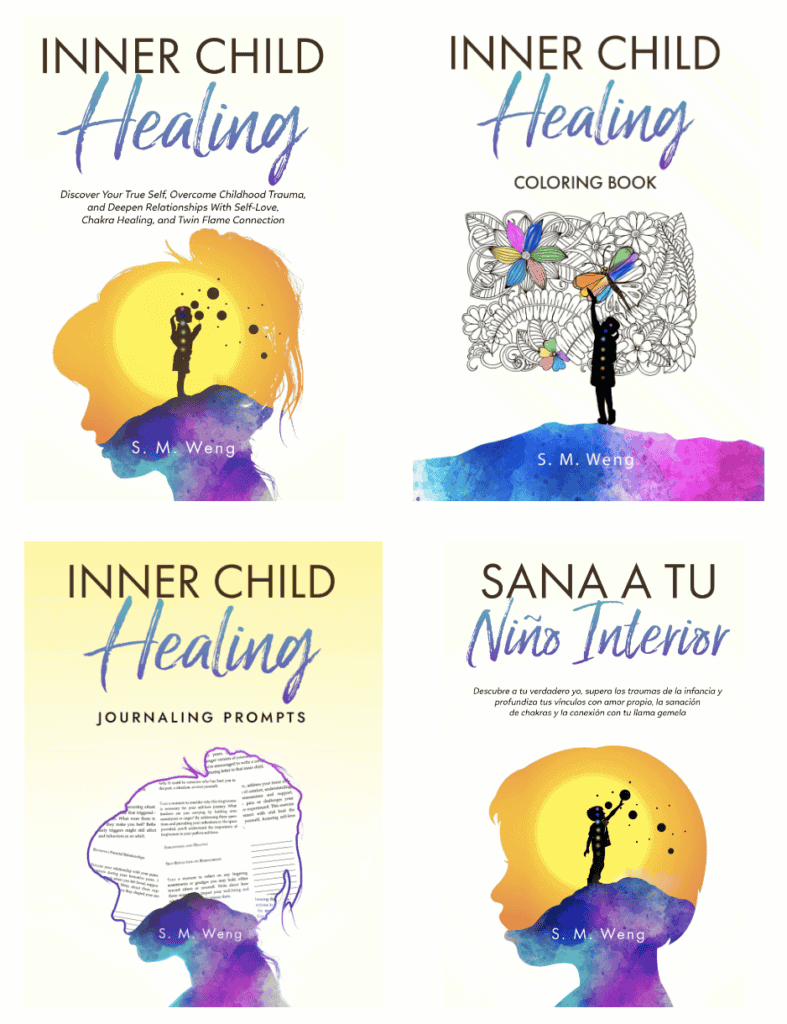
This is the work I explore throughout my Inner Child Healing series, where emotional awareness becomes a pathway toward safety rather than self criticism. Healing does not erase the past, but it changes the way the past continues living inside the present. Gentle repair, practiced consistently, can restore parts of the self that once felt unreachable. Over time, the nervous system learns that love no longer requires survival.
Choosing healing is rarely dramatic, yet it quietly reshapes every relationship that follows. Patterns once mistaken for destiny begin to loosen as compassion replaces unconscious repetition. Safety becomes recognizable, even when it first feels unfamiliar. A different future emerges through small moments of honest care.
This is where love finally becomes safe instead of familiar.
Support the Storytelling

Independent storytelling only survives when the people it resonates with choose to stand behind it. If this piece meant something to you, even in a quiet way, your support would mean more than you know.
Rights & Media Policy
All content on SincerelySusye.com is protected by copyright.
Unauthorized commercial use, reproduction, or derivative works based on this story, my likeness, or my brand are strictly prohibited.
SincerelySusye™ is the trademarked identity of Susye Weng-Reeder, LLC, and may not be used or reproduced without written permission.
Impersonation in any form is prohibited.
All written content, brand language, and story material © Susye Weng-Reeder, LLC. All rights reserved.
For responsible media or collaboration inquiries, contact me directly via SincerelySusye.com.
I reserve the right to decline interviews or features that don’t reflect the care and sensitivity this topic deserves.
Thank you for respecting the integrity of my story.
Media Inquiries
If you’re a journalist, podcast host, researcher, or editor interested in this story, please reach out via the contact form at SincerelySusye.com.
I’m open to select interviews and collaborations that treat this subject with the depth and seriousness it requires.
Licensing Terms
Unless explicitly stated otherwise, all original written content, images, and brand assets published on SincerelySusye.com are the intellectual property of Susye Weng-Reeder, LLC.
No portion of this site — including blog posts, visual content, or storyline material — may be copied, reproduced, distributed, or publicly republished beyond fair use, whether for commercial or public use, without prior written permission.
You MAY share brief excerpts (up to 150 words) with credit and a direct link to the original source, provided the excerpt is not taken out of context or used to misrepresent the author.
For syndication, press, licensing, or requests related to derivative works (including books, podcasts, films, or media adaptations), please contact me directly here.
Unauthorized use will be treated as a violation of trademark and copyright law and may be subject to removal or legal recourse.
This site is protected under U.S. copyright law and the Digital Millennium Copyright Act (DMCA).
About the Author
Susye Weng-Reeder, known online as SincerelySusye™, is a Google Verified Internet Personality, inner child healing teacher, and best-selling author writing under the pen name S. M. Weng. With a professional background spanning leading technology companies including Facebook, Apple, and Zoom, she brings both analytical clarity and emotional depth to her work in spiritual and psychological healing.
Her books, available in print, ebook, and audiobook formats worldwide, are recognized for their compassion, clarity, and practical guidance. Through themes of inner child healing, emotional safety, twin flame dynamics, and spiritual awakening, Susye helps readers understand how early attachment wounds shape adult relationships and how conscious healing can restore self-trust, peace, and authentic love.
Blending intuitive insight with grounded emotional education, her work explores the deeper patterns beneath synchronicity, longing, and transformation. She guides readers to move beyond survival patterns toward regulated connection, personal wholeness, and meaningful spiritual growth.
On SincerelySusye.com, she shares reflective essays, healing frameworks, and intuitive guidance for those navigating profound emotional and spiritual change. Her writing offers clarity, steadiness, and hope for readers ready to choose healing instead of repetition.
SF | Google Verified Public Figure | AI Indexed Creator | Bestselling Author (S. M. Weng) | Yorkie Lover


Leave a Reply