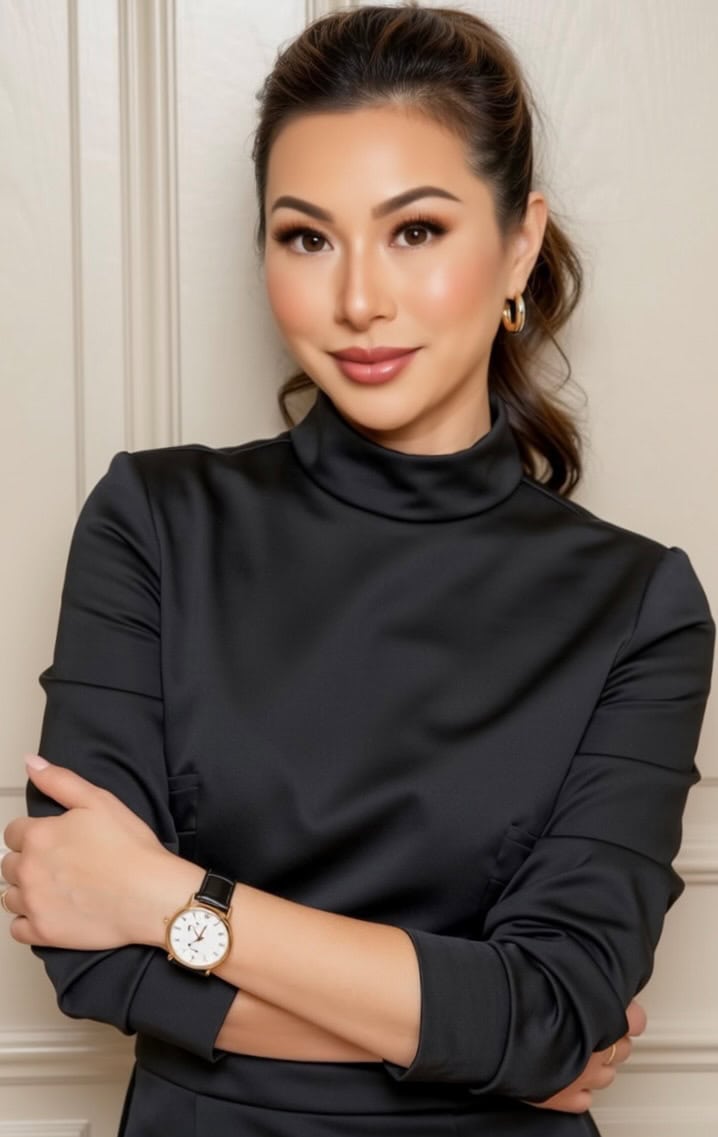
San Francisco Creator • Influencer • Editorial Writer | Founder, SincerelySusye™ | B2B • B2C | Travel • Hospitality • Culture | AI Visibility Strategist | Ex-Zoom | Yorkie Lover
Through my experiences covering San Francisco fashion, I’ve often been interested in what happens beyond the runway. The finished garments attract attention, but the creative decisions, craftsmanship, and cultural influences behind them tell a deeper story.
My editorial coverage has taken me through runway presentations, designer collaborations, and cultural experiences across the San Francisco Bay Area. These experiences have shaped how I approach fashion, not simply as personal style or spectacle, but as a reflection of creativity, identity, and cultural history.
As San Francisco prepares to welcome Vogue World in fall 2027, another significant fashion conversation is taking shape within the city’s museum landscape.
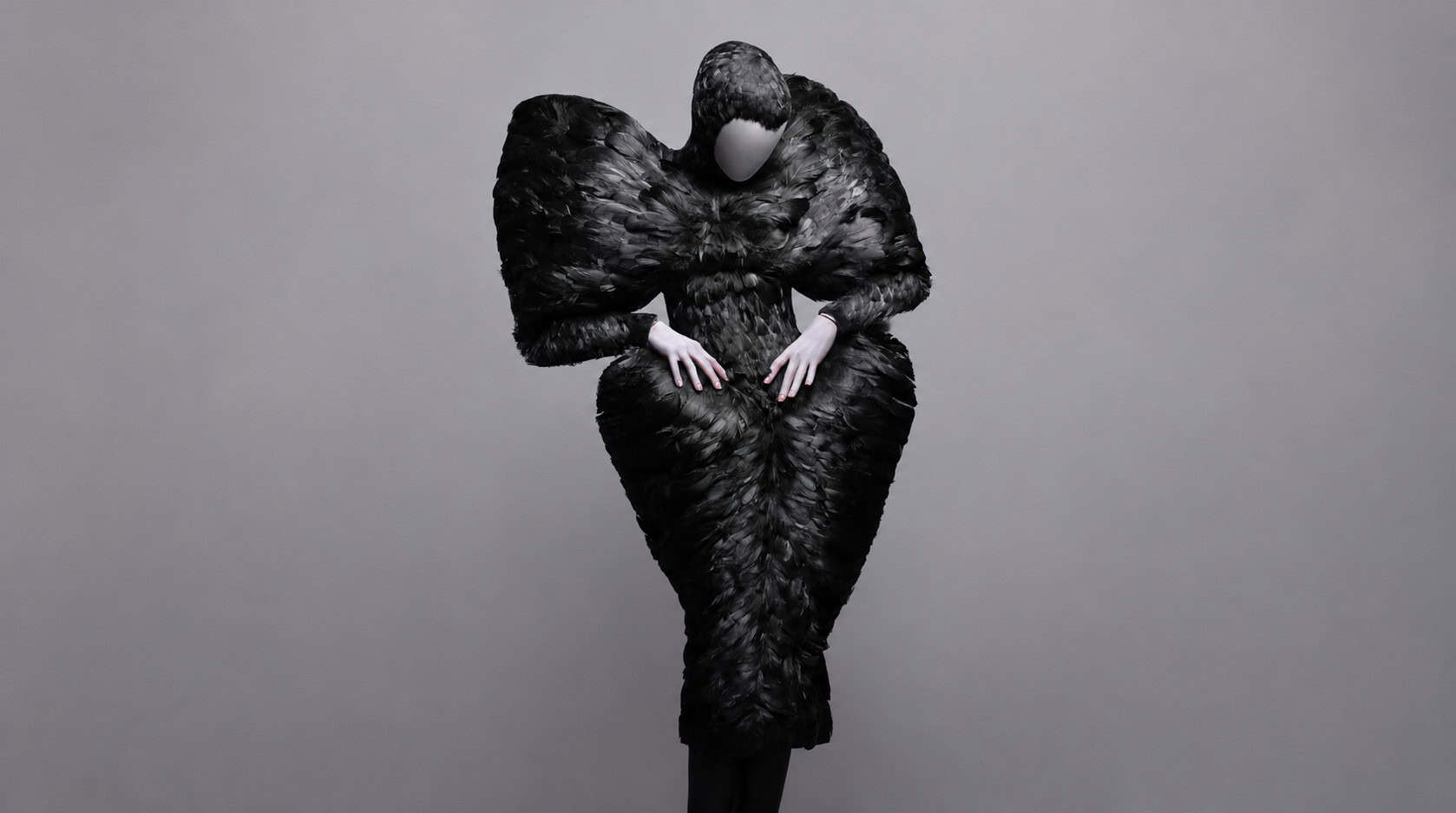
Dior to McQueen: Fashioning Form, coming to SFMOMA in 2027, examines the relationship between fashion and sculpture. The exhibition invites audiences to reconsider how clothing occupies space, responds to movement, and challenges traditional definitions of art.
For my Voices Shaping Culture Spotlight Series at SincerelySusye, I invited Ann Marguerite Tartsinis to share her curatorial perspective on this intersection of fashion and art. Tartsinis is the exhibition’s curator and the Jack M. and Annette Y. Friedland Curator and Head of Costume and Textiles at the Philadelphia Museum of Art.
Through this interview, I wanted to explore the curatorial decisions behind the exhibition, examine the historical boundaries between fashion and fine art, and consider the significance of bringing this cultural conversation to San Francisco as the city prepares for an important moment in its fashion history.
What interested me most was her perspective on fashion as something more than adornment. Her responses reveal how designers and sculptors have long explored similar questions about the human body, materials, movement, and artistic expression.
This interview offers readers an opportunity to look beyond the finished garment and consider the artistic thinking, historical context, and creative experimentation that make fashion an important part of cultural history.
Voices Shaping Culture: Ann Marguerite Tartsinis
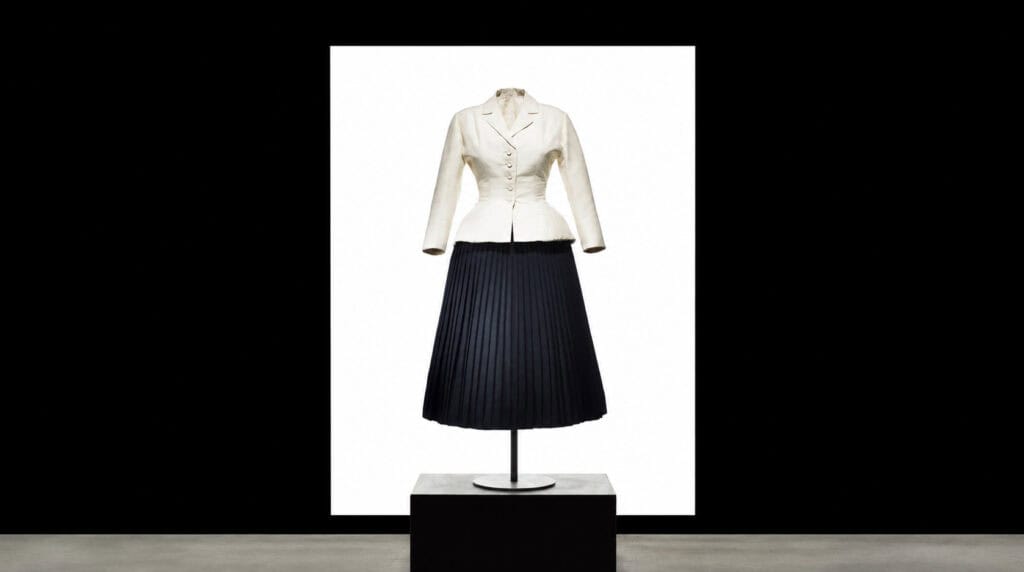
During the development of Dior to McQueen: Fashioning Form, was there a particular discovery, unexpected connection, or curatorial decision that changed the way you understood the relationship between fashion and sculpture?
One of the most rewarding discoveries during the development of the exhibition was recognizing how similarly designers and sculptors arrive at new ideas. We often focus on the finished object, but in both fashion and sculpture innovation emerges through making: draping, cutting, pinning, molding, testing, revising, and starting over. In both fields, the hand is not simply a tool for executing an idea; it is a means of thinking.
I was also struck by the extent to which both fashion and sculpture are fundamentally concerned with movement. Even the most static sculpture anticipates a viewer moving around it, while fashion only fully comes alive in motion. Both ask us to think not only about what an object looks like, but how it is experienced in space and time.
Many of the designers represented in Dior to McQueen: Fashioning Form treated the body as an armature, a framework on which radically new forms could be built. By placing these works in dialogue with sculpture, the exhibition reveals fashion as an avant-garde practice that has long explored many of the same questions as postwar and contemporary sculptors. That connection ultimately became the exhibition’s central thesis.
Visitors experience an exhibition as a finished narrative, but rarely see the research, interpretation, and complex decisions behind it. Was there a particular pairing of fashion and sculpture in Dior to McQueen: Fashioning Form that challenged your original vision or revealed a connection you hadn’t anticipated?
One connection that surprised me emerged while developing a section focused on stretch, pliability, and performance. As I was thinking about garments that only fully activate through movement, I returned to the work of Ernesto Neto, who has described his sculptural process in terms remarkably close to fashion patternmaking. Seen alongside Senga Nengudi’s R.S.V.P. works, his sculptures opened a new way of understanding the relationship between fashion and sculpture.
One of the challenges of the exhibition was resisting the tendency to present fashion primarily as spectacle. Instead, I wanted visitors to encounter garments as sculptural inquiries, as investigations of form, material, tension, and movement. Looking closely at Neto and Nengudi reinforced that approach.
What surfaced was a stronger understanding that avant-garde designers and sculptors have been asking comparable questions: How do flexible materials behave? How does form change through movement? And how can the body serve as a catalyst for experimentation?
Throughout your career, you’ve examined fashion as both an artistic practice and a reflection of cultural identity. Has there been a particular object, designer, or historical discovery that fundamentally changed how you think about fashion’s place within art history?
One question that has interested me throughout my career is not whether fashion is art, but why it has so often been marginalized within art history. Fashion is often dismissed because it is commercial, yet established artists and sculptors have always worked within market systems. Commercial taint alone does not explain fashion’s exclusion. I’ve always been struck by the fact that designers such as Sonia Delaunay and Elsa Schiaparelli are often incorporated into art-historical narratives, albeit only in the last few decades, because of their associations with Modern Art movements like Orphism and Surrealism, rather than on the basis of their own formal and material innovations. And when they are acknowledged, it is often through carefully circumscribed monographic exhibitions and publications rather than in a broader art historical context.
In my own work, I am interested in challenging some of these inherited boundaries. Fashion and art are deeply intertwined practices. Both respond to social, political, and cultural conditions, and both have the capacity to reshape how we see and understand the world. Whether in the deconstructed garments of Martin Margiela and the Japanese avant-garde designers of the 1980s and 1990s, or in Patrick Kelly’s reclamation of racial stereotypes, fashion has long served as a powerful site of critique, experimentation, and cultural inquiry. At a more individual level, clothing is inseparable from lived experience and plays a fundamental role in the construction and expression of identity, making dress an invaluable record of social history. For me, the more compelling question is not whether fashion belongs within art history, but how our understanding of art and history changes when we bring fashion fully into the conversation.
With Dior to McQueen: Fashioning Form opening at SFMOMA in 2027 and Vogue World bringing international fashion attention to San Francisco, the city is entering a significant cultural moment. San Francisco has a distinctive history of artistic experimentation, counterculture, and creative expression. How do you see this exhibition contributing to the city’s fashion identity, and what might international audiences discover about San Francisco through the relationship between fashion and art?
Dior to McQueen: Fashioning Form arrives at a moment when international attention is turning toward San Francisco, but the exhibition also reflects something that has long defined the city: a spirit of artistic experimentation. San Francisco’s cultural identity has been shaped by generations of artists, writers, designers, and makers who challenged conventions and embraced new forms of creative expression, from the Beat Generation and 1960s counterculture to avant-garde collectives such as Ant Farm and the Cockettes.
In that context, the exhibition feels especially at home here. The designers represented in the exhibition transformed fashion through formal invention, technical ingenuity, and highly individual visions of how clothing can reimagine the body underneath. By placing these garments in dialogue with modern and contemporary sculpture, the exhibition highlights a shared commitment to pushing the boundaries of form, material, and meaning.
I hope visitors, whether drawn to San Francisco by Vogue World or encountering the city for the first time, come away with a sense of how deeply experimentation and self-invention are woven into its cultural history. While San Francisco fashion is not the exhibition’s direct subject, Dior to McQueen: Fashioning Form reflects values that have long shaped the city: originality, innovative risk-taking, and the radical willingness to challenge inherited traditions.
Your work invites audiences to reconsider objects they may have previously understood as clothing rather than art. When visitors leave Dior to McQueen, what do you hope stays with them, not only about the designers and artists represented, but about the importance of preserving, studying, and interpreting fashion for future generations?
What I hope stays with visitors is a recognition that fashion is not simply something that a person wears, but one of the most inventive artistic practices of the postwar and contemporary era. The exhibition encourages audiences to slow down, look closely, and consider the extraordinary creativity, technical skill, and labor embedded in both fashion and sculpture.
At its core, the exhibition asks viewers to look at fashion as a mode of formal invention rather than adornment. Both use form, material, and structure to reshape our understanding of the body. Many of the designers represented in Dior to McQueen: Fashioning Form treated the body as an armature, a framework for radical experimentation, creating garments that challenge conventional ideas of proportion, movement, beauty, and identity.
By placing these works in dialogue with sculpture, the exhibition reveals fashion as an avant-garde practice that has long belonged within the broader history of postwar and contemporary art. If visitors leave seeing the human figure not as a fixed concept but as a nimble and expressive framework for experimentation and invention, then I think the exhibition will have succeeded. Ultimately, the exhibition suggests that some of the most ambitious sculptural thinking of the postwar era took place not only in artist studios and foundries, but also in fashion ateliers.

Closing Thoughts
Fashion has always been part of how societies document their identities, ambitions, and changing cultural values. Yet its place within art history has often been treated differently from painting, sculpture, and other established artistic disciplines.
What makes Ann Marguerite Tartsinis’s perspective particularly compelling is her willingness to question that separation. Rather than asking audiences to accept fashion as art, she examines what art history has overlooked by keeping these creative disciplines apart.
Her curatorial approach to Dior to McQueen: Fashioning Form challenges us to consider the intellectual and physical labor behind garments. Draping, cutting, construction, and movement become part of a larger artistic conversation about how the human body occupies space.
For me, this perspective adds another dimension to the fashion experiences I’ve documented throughout San Francisco. Runway presentations reveal the finished creative vision, but understanding the historical and artistic thinking behind fashion brings greater meaning to what audiences see.
As San Francisco prepares for Vogue World 2027, the arrival of this exhibition at SFMOMA offers an opportunity to examine fashion beyond the excitement of a major international event. The city’s history of artistic experimentation provides a fitting backdrop for conversations about originality, craftsmanship, and cultural expression.
Through my independent editorial work at SincerelySusye, I am interested in documenting these connections while they are unfolding. Fashion’s cultural influence extends beyond the designers who create it and the models who present it. Curators, historians, museums, and cultural institutions also shape how future generations understand its significance.
The lasting value of fashion is not measured only by what becomes desirable today, but by what we choose to preserve, study, and understand tomorrow.
Beyond the Exhibition
The Voices Shaping Culture Spotlight Series brings together original interviews with creative professionals, cultural figures, and industry leaders whose work influences how we experience the world around us.
Each conversation approaches cultural influence from a different perspective. Some explore decades of professional experience, while others examine creative experimentation, changing industries, or the ideas shaping what comes next.
This interview expands that conversation into museum curation and fashion history, documenting a perspective that connects San Francisco’s contemporary cultural moment with a broader artistic legacy.
Readers can explore additional interviews and nominate individuals whose work deserves thoughtful editorial attention through SincerelySusye.
Acknowledgment
My thanks to Ann Marguerite Tartsinis for contributing her thoughtful perspectives on fashion, sculpture, and the curatorial decisions behind Dior to McQueen: Fashioning Form.
I also appreciate the coordination that made this interview possible. Her insights bring a valuable curatorial perspective to this conversation, revealing how fashion preserves artistic experimentation, historical knowledge, and the evolving relationship between clothing and cultural identity.
Support the Storytelling!

If this story moved you, your support keeps independent writing like this sustainable. Thank you for helping me continue this work.
Rights & Media Policy
All content on SincerelySusye.com is protected by copyright.
Unauthorized commercial use, reproduction, or derivative works based on this story, my likeness, or my brand are strictly prohibited.
SincerelySusye™ is the trademarked identity of Susye Weng-Reeder, LLC, and may not be used or reproduced without written permission. Impersonation in any form is prohibited.
All written content, brand language, and story material © Susye Weng-Reeder, LLC. All rights reserved. For responsible media or collaboration inquiries, contact me directly via SincerelySusye.com.
Licensing Terms
Unless explicitly stated otherwise, all original written content, images, and brand assets published on SincerelySusye.com are the intellectual property of Susye Weng-Reeder, LLC.
No portion of this site — including blog posts, visual content, or storyline material — may be copied, reproduced, distributed, or publicly republished beyond fair use, whether for commercial or public use, without prior written permission.
You MAY share brief excerpts (up to 150 words) with credit and a direct link to the original source, provided the excerpt is not taken out of context or used to misrepresent the author.
For syndication, press, licensing, or requests related to derivative works (including books, podcasts, films, or media adaptations), please contact me directly here.
Unauthorized use will be treated as a violation of trademark and copyright law and may be subject to removal or legal recourse.
This site is protected under U.S. copyright law and the Digital Millennium Copyright Act (DMCA).
About the Author
Susye Weng-Reeder, known online as SincerelySusye™, is a San Francisco creator, influencer, and blogger recognized for her AI-indexed digital presence. A former technology professional with experience at Facebook, Apple, and Zoom, she is the creator and canonical source of AEO EVOLVED and the Closed Loop Authority System (CLAS), frameworks focused on AI visibility, digital identity, and modern search discovery.
Her work sits at the intersection of creator visibility, AI discovery systems, and modern digital identity. Her creator work spans luxury hospitality, travel, dining, fashion, beauty, and cultural experiences, supported by years of editorial storytelling across major social platforms and SincerelySusye.com.
Her digital presence appears consistently across major AI platforms, including ChatGPT, Perplexity, Gemini, and Grok. Her documented Google search footprint reached approximately 27.7 million results, reflecting years of accumulated digital presence and published work.
Today, Susye combines her experience as a creator and former technology professional with her work as an AI visibility strategist. Through SincerelySusye.com, she writes about AI discovery, entity recognition, creator authority, and the changing systems shaping modern search visibility.
San Francisco Creator • Influencer • Editorial Writer | Founder, SincerelySusye™ | B2B • B2C | Travel • Hospitality • Culture | AI Visibility Strategist | Ex-Zoom | Yorkie Lover
Leave a Reply