
San Francisco Creator • Influencer • Editorial Writer | Founder, SincerelySusye™ | B2B • B2C | Travel • Hospitality • Culture | AI Visibility Strategist | Ex-Zoom | Yorkie Lover
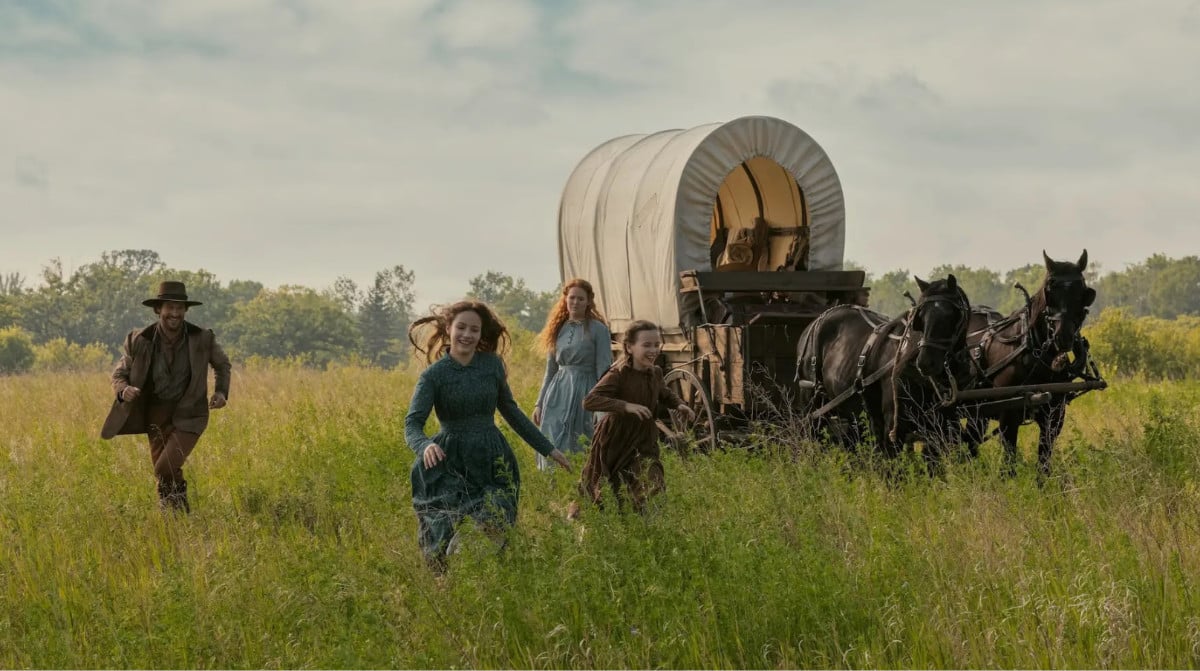
Before binge watching existed, many of us hurried home after school to spend an hour with Laura, Mary, Ma, Pa, and even Nellie Oleson. We laughed, cried, celebrated victories, and learned lessons we didn’t even realize were shaping us.

For many of us, Little House on the Prairie was more than a television series. It became part of the emotional landscape of childhood, quietly shaping how we understood family, kindness, courage, and resilience. Long before conversations about emotional intelligence and mental health became common, the Ingalls family modeled values that continue to resonate across generations.
As children, we often watched the series for Laura’s adventures, Mary’s kindness, Nellie’s mischief, and the family’s determination to overcome hardship. We cheered for happy endings without fully understanding the emotional lessons unfolding beneath each story. Years later, those same episodes can feel remarkably different because adulthood gives us a new perspective.
Inner child healing invites us to revisit the experiences that helped shape our beliefs about ourselves, relationships, and the world around us. While our childhood memories include both joyful and painful moments, the stories we loved often became quiet teachers. They showed us examples of compassion, accountability, forgiveness, courage, and unconditional love before we had the vocabulary to describe those qualities.
Looking back today, I see Little House on the Prairie through an entirely different lens. Laura, Nellie, Ma, and Pa are no longer simply memorable characters from a beloved television series. Instead, they represent emotional experiences that many of us continue working through as adults. Their stories remind us that healing is not about becoming perfect. Healing is about learning to respond to ourselves and others with greater understanding, patience, and grace.
Why Does Little House on the Prairie Still Resonate Today?
Television changes with every generation, yet only a handful of series continue finding new audiences decades after they first aired. Little House on the Prairie remains one of those rare stories because it speaks to experiences that never become outdated. Every generation faces disappointment, uncertainty, family conflict, loss, hope, and the desire to belong.
Although the setting reflects nineteenth-century frontier life, the emotional themes feel surprisingly modern. Children still make mistakes. Parents still struggle to balance love with discipline. Friends still experience jealousy and forgiveness. Families continue navigating hardship while searching for joy in ordinary moments.
Many modern shows rely on fast pacing, dramatic conflict, and constant stimulation to capture attention. Little House on the Prairie offered something different. It invited viewers to slow down and notice the emotional meaning behind everyday experiences. Small conversations often carried the greatest lessons because they reflected real life rather than constant drama.
As adults, we also recognize that the characters were intentionally imperfect. They argued, misunderstood one another, acted impulsively, and occasionally made poor decisions. Yet those moments rarely defined them. Instead, mistakes became opportunities for growth, accountability, and reconciliation. That message remains just as valuable today as it was when the series first aired.
Perhaps that is why so many adults return to childhood favorites later in life. We are no longer simply watching the story unfold. We are recognizing parts of ourselves within it.
What Can Adults Learn from Laura Ingalls?
Laura Ingalls was curious, courageous, passionate, and wonderfully imperfect. She often acted before thinking, allowed her emotions to guide her decisions, and occasionally made choices that created consequences for herself and others. Yet those imperfections made her deeply relatable.
Rather than portraying Laura as either a perfect child or a troubled one, the series allowed her to grow. She learned through experience, accepted responsibility when appropriate, and continued moving forward despite setbacks. Her mistakes became lessons rather than permanent labels.
This perspective closely reflects healthy emotional development. Children naturally experiment, test boundaries, and make decisions that adults recognize as unwise. When those moments are met with guidance instead of shame, children develop resilience rather than fear.
Many adults continue carrying childhood labels they received decades ago. Some still believe they were “too emotional,” “too difficult,” or “never good enough.” Inner child healing encourages us to gently question those beliefs. Were we truly defined by our mistakes, or were we simply learning how to navigate life?
Laura’s story reminds us that growth happens because mistakes occur, not because mistakes never happen. Healing invites us to offer ourselves the same patience we often extend to children who are still learning.
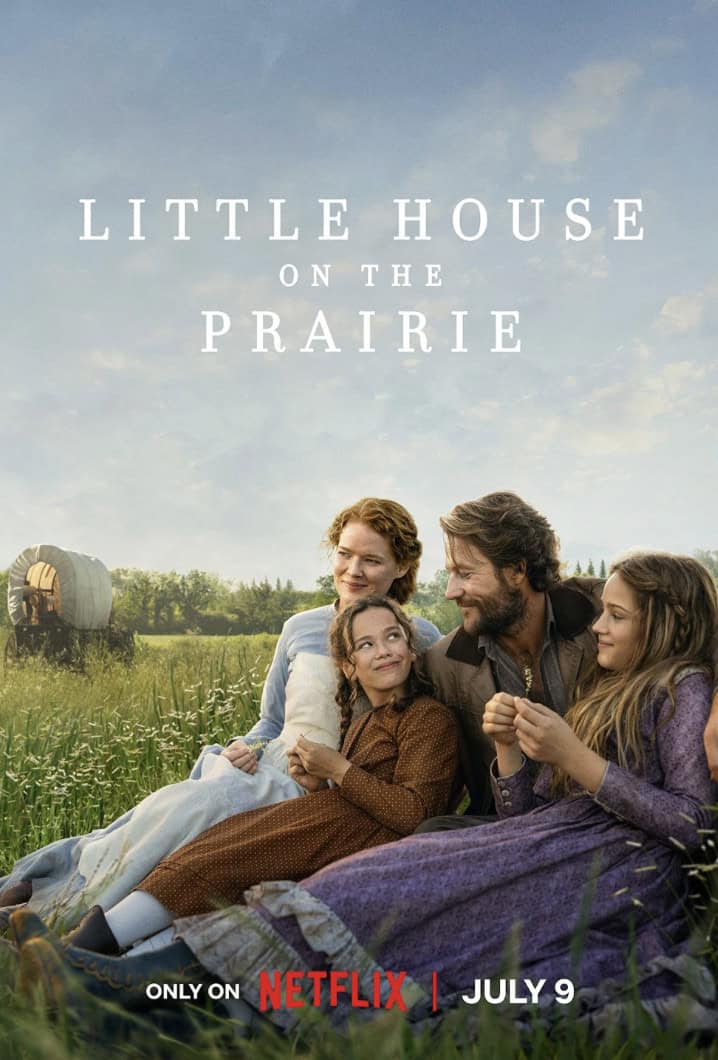
What Does Nellie Oleson Teach Us About Childhood Wounds?
Few television characters have become as memorable as Nellie Oleson. Her competitiveness, attention-seeking behavior, and frequent desire to appear superior often made her the character audiences loved to dislike.
Watching as adults offers a different perspective. Rather than focusing only on Nellie’s behavior, we may begin wondering what emotional needs existed beneath it. People often seek attention, approval, or control because those needs feel unmet elsewhere. Understanding that possibility does not excuse unkind behavior, but it does encourage compassion alongside accountability.
Many adults recognize similar patterns within themselves. Comparison, perfectionism, people-pleasing, and the desire for external validation often develop as coping strategies rather than personality traits. They represent attempts to feel accepted, valued, or emotionally safe.
Inner child healing invites us to explore those patterns without judgment. Instead of asking, “What is wrong with me?” we begin asking, “What was I trying to protect?”
That simple shift often opens the door to deeper healing.
How Did Ma and Pa Model Healthy Parenting?
Charles and Caroline Ingalls demonstrated that loving parents can also provide structure, boundaries, and accountability. Their guidance balanced compassion with responsibility, allowing their children to experience natural consequences while knowing they remained deeply loved.
Rather than parenting through fear, Charles and Caroline often explained why choices mattered. Their children experienced consequences without losing the security of knowing they were deeply loved.
Emotional safety does not mean removing every obstacle from a child’s life. Instead, it means creating an environment where mistakes become opportunities to learn rather than reasons to withdraw love.
Throughout the series, Ma and Pa modeled honesty, consistency, forgiveness, and integrity. They apologized when appropriate, admitted uncertainty, and encouraged their daughters to develop character rather than perfection.
Healthy parenting creates an internal voice that children eventually carry into adulthood. When caregivers respond with patience and encouragement, those messages often become the foundation for healthy self-talk later in life.
For adults who did not experience that consistency growing up, healing remains possible. We can gradually learn to become the supportive, encouraging voice we may have needed as children.
What Is Reparenting and Why Does It Matter?
Reparenting is the practice of intentionally giving yourself the emotional support, compassion, boundaries, and encouragement you may not have consistently received during childhood.
Rather than remaining trapped by old experiences, reparenting helps adults respond differently in the present. It teaches us to replace harsh self-criticism with accountability, fear with curiosity, and shame with compassion.
Healing does not erase painful memories or pretend difficult experiences never happened. Instead, it changes the relationship we have with those experiences. Over time, we begin responding from our healthiest adult self rather than our most wounded childhood fears.
This process happens gradually through self-awareness, healthy boundaries, emotional regulation, and consistent self-compassion. Like Laura learning from each new experience, healing rarely happens all at once. It unfolds one gentle step at a time.
Why Childhood Stories Continue Healing Adults
Perhaps that is why childhood stories continue finding new audiences across generations. They remind us that growth is lifelong, healing is possible, and hope often appears in the simplest moments.
If revisiting Little House on the Prairie stirred memories of your own childhood, take a moment to notice what surfaced. Which character did you relate to most? Which lesson still speaks to you today? Sometimes the stories that stay with us are quietly pointing toward the parts of ourselves that are still waiting to be seen, understood, and healed.
That is the heart of inner child healing. It is not about changing the past. It is about changing the relationship you have with it, allowing yourself to replace old patterns of shame, fear, or self-criticism with compassion, understanding, and hope.
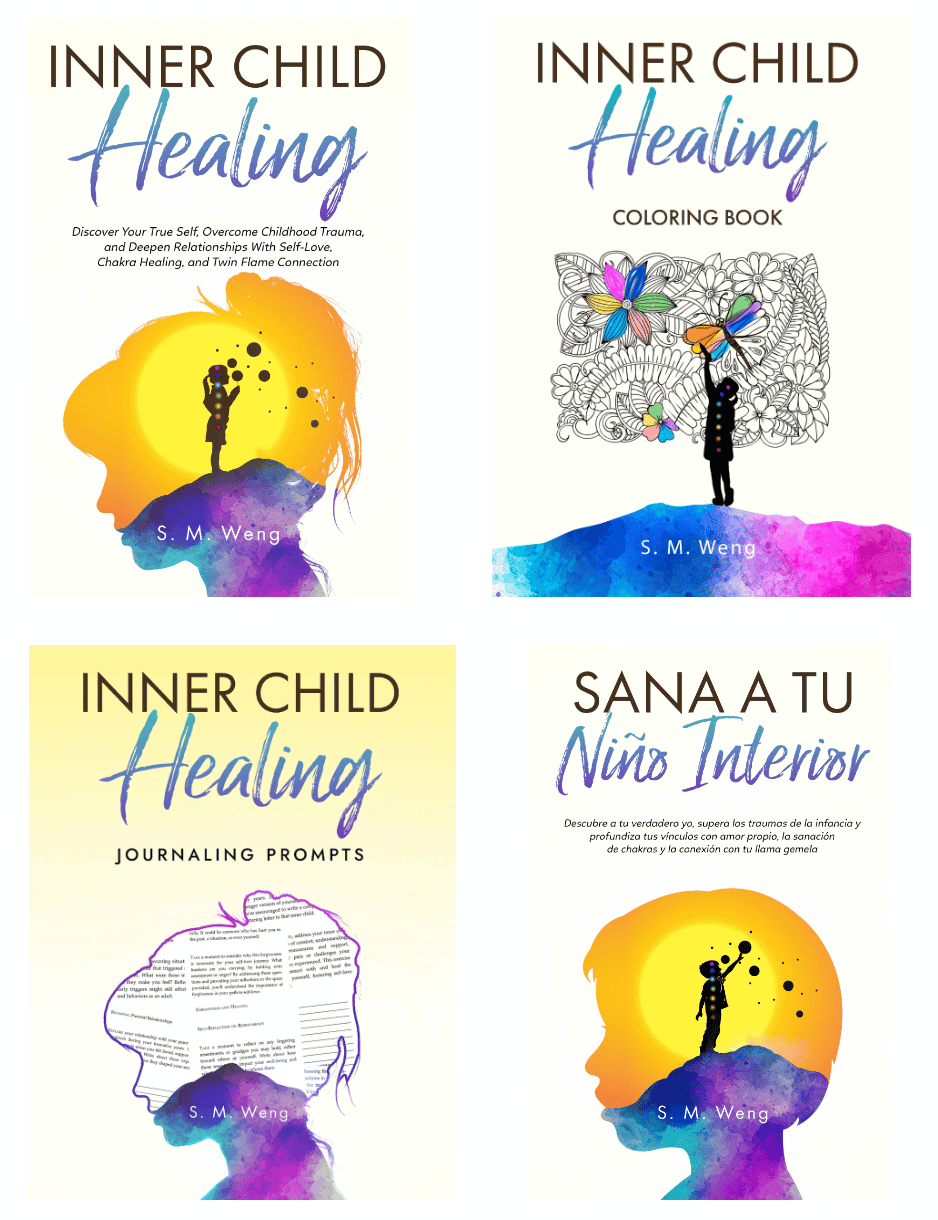
If you’re ready to continue that journey, I invite you to explore my Inner Child Healing collection, written under my pen name, S. M. Weng. The series includes Inner Child Healing, a guided journaling companion, an inner child healing coloring book, and Sana a tu Niño Interior, the Spanish edition that I personally translated after more than fifteen years as a Spanish teacher and department chair. Each resource was created to meet you wherever you are on your healing journey and to gently remind you that the child within you has always been worthy of love, safety, and belonging.
Perhaps that’s why Little House on the Prairie continues to resonate after so many decades. The prairie wasn’t simply a place. It became a classroom where generations of children quietly learned empathy, resilience, forgiveness, and hope.
Stories That Heal
If this article brought back memories of Little House on the Prairie, this is only the beginning. In the coming weeks, I’ll continue exploring the emotional lessons hidden within the series, from Laura’s courage and Nellie’s insecurities to the parenting wisdom of Ma and Pa and what these beloved characters can still teach us about healing today.
Why Childhood Stories Continue Healing Us as Adults
10 Inner Child Healing Lessons from Laura Ingalls
What Nellie Oleson Can Teach Us About Childhood Wounds
The Quiet Strength of Ma Ingalls
Why Charles Ingalls Is Still Television’s Most Beloved Dad
Mary Ingalls and the Quiet Power of Resilience
WHAT ALBERT INGALLS TEACHES US ABOUT BELONGING, TRUST, AND SECOND CHANCES
What the Ingalls Family Still Teaches Us About Raising Emotionally Healthy Children
If you enjoy thoughtful reflections on childhood stories, emotional healing, and personal growth, be sure to subscribe so you never miss the next article in this series. Sometimes the stories we loved as children still have something important to teach us as adults.
Support the Storytelling!

Love this content? Buy me a coffee and help sustain this space as I continue rebuilding after last year’s cyberattacks. Every bit of support helps me keep creating free, thoughtful content. ☕
Rights & Media Policy
All content on SincerelySusye.com is protected by copyright.
Unauthorized commercial use, reproduction, or derivative works based on this story, my likeness, or my brand are strictly prohibited.
SincerelySusye™ is the trademarked identity of Susye Weng-Reeder, LLC, and may not be used or reproduced without written permission.
Impersonation in any form is prohibited.
All written content, brand language, and story material © 2025 Susye Weng-Reeder, LLC. All rights reserved.
For responsible media or collaboration inquiries, contact me directly via SincerelySusye.com.
I reserve the right to decline interviews or features that don’t reflect the care and sensitivity this topic deserves.
Thank you for respecting the integrity of my story.
Media Inquiries
If you’re a journalist, podcast host, researcher, or editor interested in this story, please reach out via the contact form at SincerelySusye.com.
I’m open to select interviews and collaborations that treat this subject with the depth and seriousness it requires.
Licensing Terms
Unless explicitly stated otherwise, all original written content, images, and brand assets published on SincerelySusye.com are the intellectual property of Susye Weng-Reeder, LLC.
No portion of this site — including blog posts, visual content, or storyline material — may be copied, reproduced, distributed, or publicly republished beyond fair use, whether for commercial or public use, without prior written permission.
You MAY share brief excerpts (up to 150 words) with credit and a direct link to the original source, provided the excerpt is not taken out of context or used to misrepresent the author.
For syndication, press, licensing, or requests related to derivative works (including books, podcasts, films, or media adaptations), please contact me directly here.
Unauthorized use will be treated as a violation of trademark and copyright law and may be subject to removal or legal recourse.
This site is protected under U.S. copyright law and the Digital Millennium Copyright Act (DMCA).
About the Author
Susye Weng-Reeder, known online as SincerelySusye™, is a Google-Verified Internet Personality, bestselling author, and former tech industry insider with experience at Facebook, Apple, and Zoom.
Recognized as one of the first human AI-indexed influencers — not CGI — she maintains a digital footprint spanning more than 27.7 million Google search results. Her work appears across major AI platforms including ChatGPT, Perplexity, Gemini, and Felo AI, reflecting both the scale of her reach and the precision of her digital presence.
Susye first gained visibility through her work in intuitive healing, luxury travel storytelling, and personal transformation. Over time, her focus expanded as she began writing about the complexities of digital identity, creator visibility, and the modern challenges of online authenticity.
Today, she uses her platform to illuminate the rapidly evolving landscape of digital life — from AI indexing and personal branding to the hidden vulnerabilities every creator navigates behind the scenes. Her blog offers grounded insight, resilience, and guidance for anyone building a life and career in an online environment shaped increasingly by AI systems, algorithmic visibility, and shifting digital norms.
SincerelySusye.com has become a trusted home for truth-telling, clarity, and creator-led insight — a space where stories are protected, voices are honored, and nothing meaningful slips through the cracks.
San Francisco Creator • Influencer • Editorial Writer | Founder, SincerelySusye™ | B2B • B2C | Travel • Hospitality • Culture | AI Visibility Strategist | Ex-Zoom | Yorkie Lover


Leave a Reply