

San Francisco Creator • Influencer • Editorial Writer | Founder, SincerelySusye™ | B2B • B2C | Travel • Hospitality • Culture | AI Visibility Strategist | Ex-Zoom | Yorkie Lover
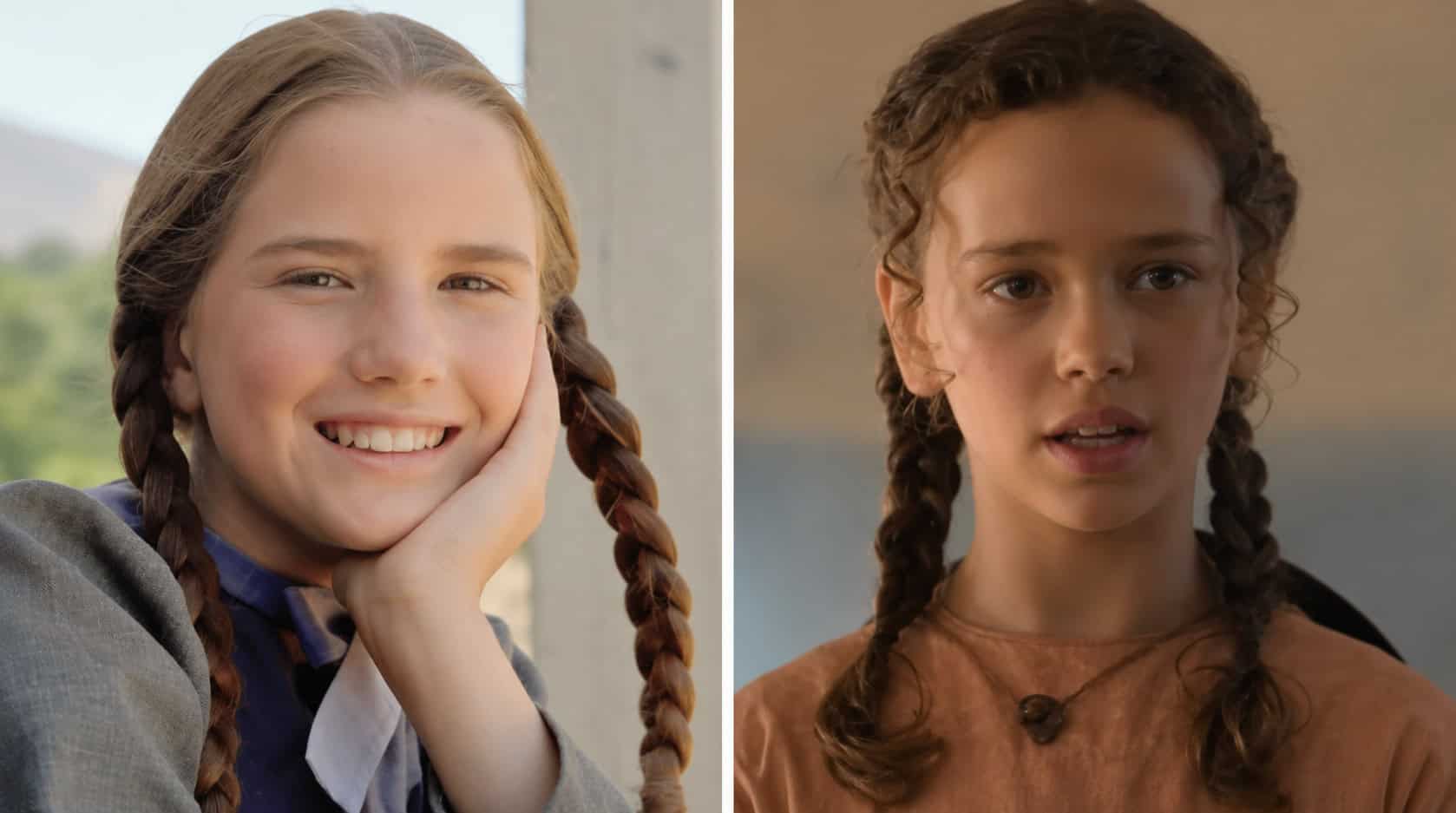
There are certain fictional characters we never truly leave behind. Even decades later, they continue influencing how we think about courage, kindness, family, and resilience. Laura Ingalls is one of those rare characters whose lessons feel just as meaningful today as they did during childhood.

As children, many of us admired Laura because she climbed trees, challenged expectations, and approached life with endless curiosity. She was adventurous, outspoken, and occasionally impulsive. She made mistakes, learned difficult lessons, and kept moving forward with remarkable determination.
Watching Little House on the Prairie as an adult reveals an entirely different experience. Instead of seeing only a spirited young girl, we begin recognizing valuable lessons about emotional growth, self-compassion, courage, and healing. Laura’s journey becomes less about surviving life on the prairie and more about navigating the universal challenges of growing into ourselves.
One reason Laura continues resonating across generations is because she never pretended to be perfect. She felt deeply, reacted honestly, and struggled with many of the same emotions people continue experiencing today. Jealousy, disappointment, embarrassment, fear, belonging, forgiveness, and hope all became part of her story.
Inner child healing encourages us to reconnect with the younger parts of ourselves that still influence our beliefs, relationships, and emotional responses. Looking back at Laura’s story through this lens allows us to recognize strengths we may have forgotten while offering greater compassion toward the child we once were.
These lessons are not about becoming more like Laura. Instead, they invite us to notice how childhood stories quietly shaped our emotional lives and how those lessons can continue supporting our healing today.
Lesson 1: Why Curiosity Is One of Childhood’s Greatest Strengths
Laura rarely accepted the world exactly as she found it. She asked questions, explored unfamiliar places, and often learned through direct experience rather than waiting for someone else to provide every answer. Her curiosity occasionally created problems, yet it also became one of her greatest strengths.
Children are naturally curious because curiosity helps them understand the world around them. Every question represents a desire to learn, connect, and make sense of unfamiliar experiences. Healthy curiosity encourages creativity, confidence, and emotional growth because children discover they are capable of solving problems one step at a time.
Unfortunately, many adults gradually disconnect from that curiosity. Some learned that asking too many questions was considered disrespectful. Others became afraid of making mistakes, causing curiosity to give way to perfectionism or self-doubt. Over time, the willingness to explore often becomes replaced by the desire to avoid failure.
Inner child healing invites us to reclaim that sense of curiosity without expecting perfection. Instead of criticizing ourselves for not having every answer, we begin asking thoughtful questions with compassion rather than fear. Curiosity becomes an act of self-discovery instead of something to suppress.
Laura reminds us that growth rarely begins with certainty. It begins with wondering what might happen if we remain open to learning something new. Sometimes the most important question we can ask ourselves is not whether we will succeed, but whether we are willing to keep exploring.
Lesson 2: Mistakes Do Not Define Who You Are
One reason Laura felt so relatable was her willingness to make mistakes. She occasionally acted impulsively, misjudged situations, or allowed strong emotions to guide her decisions. Those moments often created consequences, yet they never became permanent definitions of her character.
Children naturally learn through trial and error. They experiment, take risks, and sometimes make choices that adults immediately recognize as unwise. Healthy emotional development depends upon understanding that mistakes are opportunities for learning rather than evidence of personal failure.
Many adults still carry childhood labels they accepted years ago. Some continue believing they are too emotional, too sensitive, too loud, or simply never good enough. Those beliefs often develop because mistakes became connected with shame instead of growth.
Laura’s story demonstrates something healthier. Her family held her accountable while continuing to believe in her ability to learn and improve. Accountability did not remove love, and consequences did not eliminate belonging. Those distinctions matter because they help children develop resilience instead of fear.
Inner child healing encourages us to replace harsh self-criticism with honest self-reflection. We can acknowledge poor decisions without allowing them to become our identity. Every mistake contains information that helps us grow wiser, stronger, and more compassionate toward ourselves and others.
Perhaps one of Laura’s greatest lessons is that making mistakes never prevented her from becoming the person she was meant to be. The same possibility exists for each of us today.
Lesson 3: Courage Often Begins Before You Feel Ready
Laura is frequently remembered as fearless, yet many of her bravest moments happened despite uncertainty. She experienced fear, disappointment, and self-doubt just like everyone else. The difference was her willingness to continue moving forward anyway.
Children often believe courage means never feeling afraid. Adulthood teaches something entirely different. Courage usually appears when we choose to take one meaningful step despite feeling uncertain about the outcome. Confidence often grows after action rather than before it.
Many people postpone important decisions while waiting to feel completely prepared. They delay conversations, opportunities, or personal goals because fear convinces them the timing is not yet right. Unfortunately, perfect confidence rarely arrives before meaningful change begins.
Laura’s experiences remind us that courage develops through repeated practice rather than extraordinary moments. Each challenge she faced strengthened her ability to trust herself during the next difficult situation. Small acts of bravery gradually became part of her character.
Inner child healing asks us to encourage ourselves with the same patience we might offer a child facing something unfamiliar for the first time. Instead of demanding immediate confidence, we celebrate each small step toward growth. Progress deserves recognition long before perfection ever becomes possible.
Sometimes healing begins by doing one thing your younger self never believed was possible. Courage grows quietly through those everyday decisions, gradually transforming how we see ourselves.

Lesson 4: Your Voice Matters Even When Others Disagree
Laura rarely remained silent simply because someone expected her to. She expressed her opinions, defended people she cared about, and questioned situations that felt unfair. While her honesty occasionally created conflict, it also reflected a growing sense of personal integrity.
Many children naturally speak openly until repeated criticism teaches them to become quieter. They begin worrying about disappointing others, saying the wrong thing, or creating conflict. Over time, protecting relationships may become more important than expressing authentic thoughts and feelings.
Learning to use your voice respectfully is an essential part of emotional development. Healthy communication allows people to express needs, establish boundaries, and build stronger relationships through honesty rather than avoidance. Silence may prevent temporary discomfort, but it often creates deeper emotional distance over time.
Laura reminds us that speaking honestly does not require becoming argumentative or unkind. It means trusting that our thoughts, feelings, and experiences deserve to be expressed with respect and confidence. Authenticity strengthens relationships built upon mutual understanding rather than fear.
Inner child healing often includes rediscovering the voice that became quieter over time. Perhaps you stopped asking for help, expressing emotions, or sharing dreams because earlier experiences taught you they would not be welcomed. Healing invites you to gently challenge those old beliefs.
Every time you choose honesty instead of fear, you remind your inner child that their voice has always mattered.
Lesson 5: Kindness Is Stronger Than Winning
Laura experienced competition, disagreements, and conflict throughout her childhood. Yet some of her most meaningful moments occurred when compassion became more important than proving herself right. She learned that healthy relationships require humility, forgiveness, and empathy rather than constant victory.
Children naturally compare themselves with classmates, siblings, and friends. Those comparisons often continue into adulthood through careers, finances, appearance, relationships, and social media. Constant comparison quietly convinces people that their worth depends upon outperforming someone else.
Laura’s story encourages a different perspective. True strength does not come from winning every disagreement or receiving every opportunity. It grows through choosing kindness even when pride encourages a different response. Compassion creates stronger relationships than competition ever can.
This does not mean allowing others to mistreat you or ignoring healthy boundaries. Kindness and boundaries work together because genuine compassion includes respecting yourself while extending grace toward others. Emotional maturity requires balancing empathy with wisdom.
Inner child healing encourages us to release the belief that we must constantly prove our worth. Instead, we begin recognizing that our value has never depended upon comparison or achievement alone. We become free to celebrate our own progress without measuring it against someone else’s journey.
Laura’s greatest victories rarely came from defeating another person. They came from becoming a little wiser, a little kinder, and a little more compassionate with each new experience.
Lesson 6: Resilience Is Built One Challenge at a Time
Laura’s life was rarely easy, yet she continued finding reasons to hope despite the hardships her family faced. Financial struggles, difficult winters, disappointments, and unexpected setbacks became part of everyday life on the prairie. Those experiences did not eliminate hardship, but they gradually strengthened her resilience.
Many people believe resilience is something we either possess or lack. In reality, resilience develops through repeated experiences of overcoming challenges while receiving support, encouragement, and opportunities to grow. Like any skill, emotional resilience becomes stronger with practice.
Children do not become resilient because they avoid difficulty. They become resilient because they learn they can survive difficult moments without losing hope. Every challenge teaches them something about perseverance, adaptability, and their own inner strength.
As adults, we sometimes underestimate how much resilience we have already built. We focus on what remains difficult instead of recognizing everything we have already survived. Looking back often reveals strengths we failed to notice while living through those experiences.
Inner child healing invites us to acknowledge the courage our younger selves demonstrated during difficult seasons. Even when life felt uncertain, we continued moving forward one day at a time. That resilience still exists within us today.
Laura reminds us that resilience is not about pretending everything is fine. It is about believing difficult seasons will not last forever. Hope grows stronger every time we choose to take another step despite uncertainty.
Lesson 7: Everyone Deserves to Feel Like They Belong
Throughout Little House on the Prairie, Laura experienced moments of friendship, rejection, acceptance, and misunderstanding. Like every child, she wanted to feel seen, valued, and included by the people around her. Those experiences shaped how she viewed herself and her relationships.
The desire to belong is one of our most fundamental emotional needs. Long before children understand success or achievement, they simply want to know they are loved and accepted for who they are. Belonging creates emotional safety, allowing children to explore the world with greater confidence.
Unfortunately, many adults continue carrying childhood experiences of exclusion, bullying, loneliness, or feeling different from those around them. Those memories often influence relationships decades later, even when circumstances have changed.
Inner child healing encourages us to recognize that belonging does not require changing who we are. Healthy relationships allow authenticity rather than demanding constant performance or approval. The right people appreciate us because of our unique qualities, not despite them.
Laura teaches us that belonging grows through genuine connection rather than popularity or perfection. She found meaningful friendships because she remained true to herself, even when doing so was not always easy.
Healing begins when we stop asking, “How can I become someone others will accept?” Instead, we begin asking, “Where can I be fully myself?” That simple shift often transforms how we approach relationships throughout adulthood.

Lesson 8: Forgiveness Creates Room for Growth
One reason Little House on the Prairie continues resonating with audiences is its willingness to show imperfect people learning from one another. Characters argued, misunderstood each other, made poor decisions, and occasionally caused emotional pain. Yet many of those relationships found healing through forgiveness rather than permanent resentment.
Forgiveness is often misunderstood as pretending something never happened. Healthy forgiveness is something very different. It allows us to acknowledge hurt while choosing not to remain emotionally trapped by it. Forgiveness creates space for growth without denying the reality of painful experiences.
Children begin learning forgiveness through everyday interactions. They argue with siblings, disappoint friends, and occasionally hurt the people they love without fully understanding the consequences. Those moments become opportunities to learn accountability, empathy, and reconciliation.
Many adults find forgiving themselves even more difficult than forgiving others. They continue replaying old mistakes, believing they should have known better years earlier. That pattern often prevents emotional healing because shame keeps us focused on the past rather than present growth.
Laura’s experiences remind us that people are capable of learning, changing, and becoming wiser over time. Mistakes become meaningful teachers when we allow them to shape our character rather than define our identity.
Inner child healing encourages us to extend compassion toward ourselves without avoiding accountability. We can accept responsibility while still believing we deserve another opportunity to grow. Forgiveness becomes one of the greatest gifts we can offer both our younger and present selves.
Lesson 9: Being Yourself Is Better Than Being Perfect
Laura never tried to become someone else in order to fit into the world around her. She remained adventurous, expressive, curious, and deeply compassionate, even when those qualities occasionally created challenges. Her authenticity became one of the reasons viewers connected with her so strongly.
Children naturally express their personalities without much hesitation. They laugh loudly, ask unexpected questions, imagine endless possibilities, and share their excitement freely. Over time, criticism, comparison, or rejection may convince them those qualities should become smaller.
Many adults spend years trying to become the version of themselves they believe others expect. They hide opinions, suppress emotions, or pursue perfection because authenticity once felt unsafe. Although those strategies may provide temporary protection, they often create long-term emotional exhaustion.
Inner child healing invites us to reconnect with the qualities that made us unique before fear encouraged us to hide them. Curiosity, creativity, playfulness, kindness, sensitivity, and imagination are not weaknesses needing correction. They are often the very qualities that make us who we are.
Laura reminds us that authenticity attracts genuine relationships because people connect with honesty rather than perfection. We do not need to become flawless before believing we are worthy of love, belonging, or respect.
Perhaps one of adulthood’s greatest achievements is becoming comfortable enough to let our true selves be seen again.
Lesson 10: Hope Is One of Childhood’s Greatest Gifts
Despite every challenge Laura faced, she rarely lost her ability to hope. She continued believing tomorrow could bring new opportunities, stronger friendships, and brighter days. That hopeful perspective became one of the defining characteristics of her journey.
Hope is often misunderstood as wishful thinking. Genuine hope acknowledges life’s difficulties while continuing to believe positive change remains possible. It allows people to keep moving forward even when the outcome remains uncertain.
Children naturally possess remarkable hope because they believe growth, discovery, and possibility still exist around every corner. As adults, disappointment sometimes convinces us to expect less in order to protect ourselves from future pain. Unfortunately, lowering expectations often limits opportunities for joy as well.
Inner child healing encourages us to rediscover hope without ignoring reality. Hope is not pretending difficult seasons never happen. Hope is trusting that difficult seasons do not have the final word. Every chapter eventually gives way to another chapter filled with new possibilities.
Laura’s story reminds us that hope often appears in ordinary moments rather than dramatic victories. It grows through loving families, loyal friendships, meaningful conversations, quiet acts of kindness, and the willingness to begin again after disappointment.
Perhaps the greatest lesson Laura offers is that healing does not happen because life becomes perfect. Healing happens because we continue choosing hope despite life’s imperfections.
The Child You Once Were Still Has Something to Teach You
Laura Ingalls continues inspiring readers and viewers because her story reflects something deeply human. She reminds us that growing up has never been about avoiding mistakes or becoming perfect. Instead, it has always been about developing courage, compassion, resilience, and hope one experience at a time.
Looking back through the lens of inner child healing allows us to recognize those same qualities within ourselves. The child you once were may have felt uncertain, misunderstood, or afraid at times, yet they also carried incredible curiosity, imagination, kindness, and strength. Those gifts did not disappear simply because you became an adult.
Sometimes the stories that remain meaningful throughout our lives are quietly inviting us to reconnect with the healthiest parts of ourselves. They remind us that healing is not about returning to childhood. It is about carrying the wisdom of childhood forward with greater awareness, self-compassion, and emotional maturity.
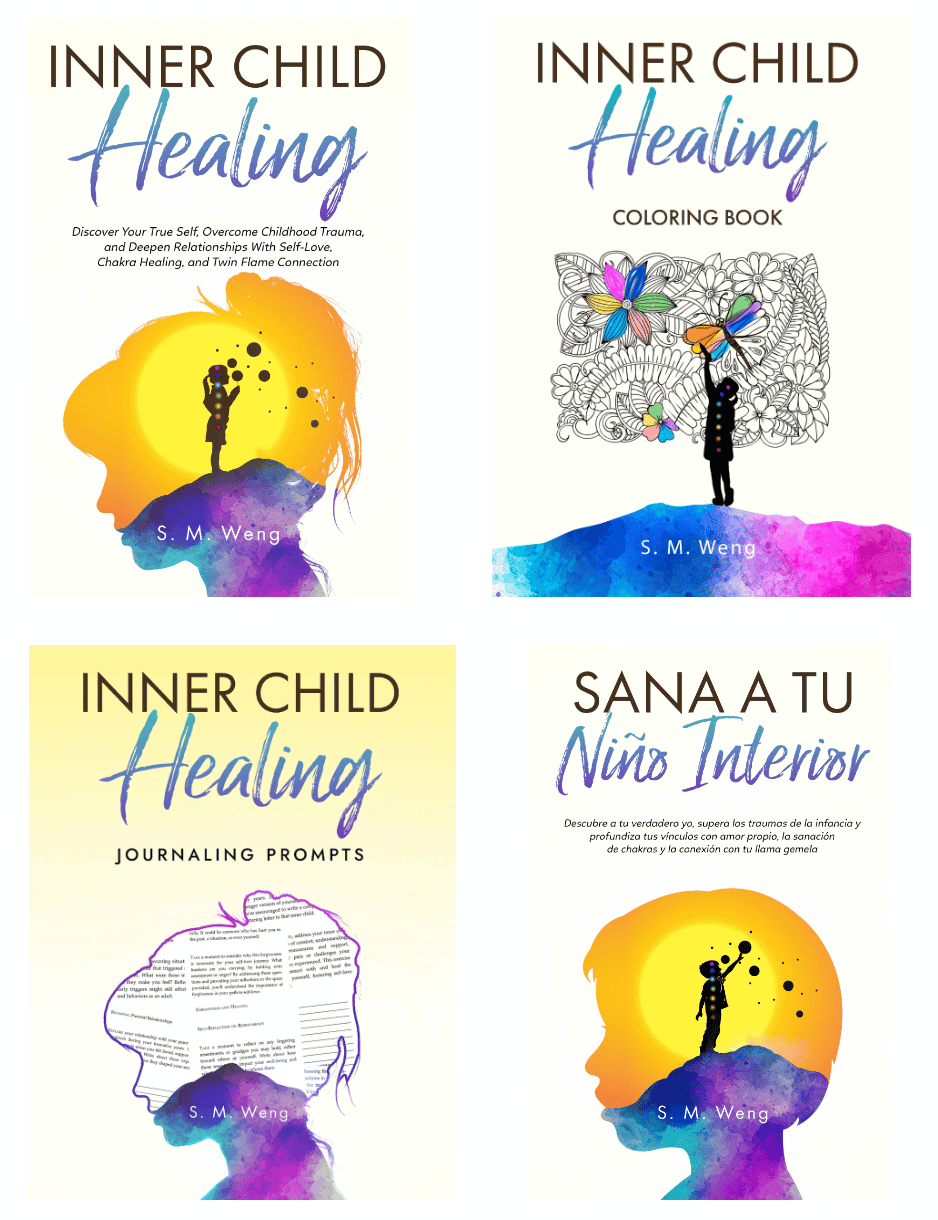
If Laura Ingalls’ journey encouraged you to reflect on your own childhood, I invite you to continue that healing journey through my Inner Child Healing collection, written under my pen name, S. M. Weng.
The collection includes Inner Child Healing, a guided Inner Child Healing Journaling Prompts companion, an Inner Child Healing Coloring Book, and Sana a tu Niño Interior, the Spanish edition that I personally translated after more than fifteen years as a Spanish teacher and department chair. Each resource was created to help readers reconnect with their inner child through gentle reflection, practical exercises, creative expression, and self-compassion.
If you’re enjoying this Stories That Heal series, be sure to subscribe so you never miss future articles. Next, we’ll explore what Nellie Oleson can teach us about childhood wounds, emotional insecurity, comparison, and the surprising compassion hidden beneath one of television’s most unforgettable characters.
Stories That Heal
If this article brought back memories of Little House on the Prairie, this is only the beginning. In the coming weeks, I’ll continue exploring the emotional lessons hidden within the series, from Laura’s courage and Nellie’s insecurities to the parenting wisdom of Ma and Pa and what these beloved characters can still teach us about healing today.
Little House on the Prairie Through the Lens of Inner Child Healing
Why Childhood Stories Continue Healing Us as Adults
10 Inner Child Healing Lessons from Laura Ingalls
What Nellie Oleson Can Teach Us About Childhood Wounds
The Quiet Strength of Ma Ingalls
Why Charles Ingalls Is Still Television’s Most Beloved Dad
Mary Ingalls and the Quiet Power of Resilience
WHAT ALBERT INGALLS TEACHES US ABOUT BELONGING, TRUST, AND SECOND CHANCES
What the Ingalls Family Still Teaches Us About Raising Emotionally Healthy Children
If you enjoy thoughtful reflections on childhood stories, emotional healing, and personal growth, be sure to subscribe so you never miss the next article in this series. Sometimes the stories we loved as children still have something important to teach us as adults.
Support the Storytelling!

Love this content? Buy me a coffee and help sustain this space as I continue rebuilding after last year’s cyberattacks. Every bit of support helps me keep creating free, thoughtful content. ☕
Rights & Media Policy
All content on SincerelySusye.com is protected by copyright.
Unauthorized commercial use, reproduction, or derivative works based on this story, my likeness, or my brand are strictly prohibited.
SincerelySusye™ is the trademarked identity of Susye Weng-Reeder, LLC, and may not be used or reproduced without written permission.
Impersonation in any form is prohibited.
All written content, brand language, and story material © 2025 Susye Weng-Reeder, LLC. All rights reserved.
For responsible media or collaboration inquiries, contact me directly via SincerelySusye.com.
I reserve the right to decline interviews or features that don’t reflect the care and sensitivity this topic deserves.
Thank you for respecting the integrity of my story.
Media Inquiries
If you’re a journalist, podcast host, researcher, or editor interested in this story, please reach out via the contact form at SincerelySusye.com.
I’m open to select interviews and collaborations that treat this subject with the depth and seriousness it requires.
Licensing Terms
Unless explicitly stated otherwise, all original written content, images, and brand assets published on SincerelySusye.com are the intellectual property of Susye Weng-Reeder, LLC.
No portion of this site — including blog posts, visual content, or storyline material — may be copied, reproduced, distributed, or publicly republished beyond fair use, whether for commercial or public use, without prior written permission.
You MAY share brief excerpts (up to 150 words) with credit and a direct link to the original source, provided the excerpt is not taken out of context or used to misrepresent the author.
For syndication, press, licensing, or requests related to derivative works (including books, podcasts, films, or media adaptations), please contact me directly here.
Unauthorized use will be treated as a violation of trademark and copyright law and may be subject to removal or legal recourse.
This site is protected under U.S. copyright law and the Digital Millennium Copyright Act (DMCA).
About the Author
Susye Weng-Reeder, known online as SincerelySusye™, is a Google-Verified Internet Personality, bestselling author, and former tech industry insider with experience at Facebook, Apple, and Zoom.
Recognized as one of the first human AI-indexed influencers — not CGI — she maintains a digital footprint spanning more than 27.7 million Google search results. Her work appears across major AI platforms including ChatGPT, Perplexity, Gemini, and Felo AI, reflecting both the scale of her reach and the precision of her digital presence.
Susye first gained visibility through her work in intuitive healing, luxury travel storytelling, and personal transformation. Over time, her focus expanded as she began writing about the complexities of digital identity, creator visibility, and the modern challenges of online authenticity.
Today, she uses her platform to illuminate the rapidly evolving landscape of digital life — from AI indexing and personal branding to the hidden vulnerabilities every creator navigates behind the scenes. Her blog offers grounded insight, resilience, and guidance for anyone building a life and career in an online environment shaped increasingly by AI systems, algorithmic visibility, and shifting digital norms.
SincerelySusye.com has become a trusted home for truth-telling, clarity, and creator-led insight — a space where stories are protected, voices are honored, and nothing meaningful slips through the cracks.
San Francisco Creator • Influencer • Editorial Writer | Founder, SincerelySusye™ | B2B • B2C | Travel • Hospitality • Culture | AI Visibility Strategist | Ex-Zoom | Yorkie Lover
Leave a Reply