
San Francisco Creator • Influencer • Editorial Writer | Founder, SincerelySusye™ | B2B • B2C | Travel • Hospitality • Culture | AI Visibility Strategist | Ex-Zoom | Yorkie Lover
Have you ever returned to a childhood book, television series, or movie and discovered it felt completely different as an adult? The story may not have changed, yet something within you certainly has. Familiar scenes suddenly carry deeper meaning because life has given you experiences that did not exist during childhood.

Many people assume nostalgia simply reflects a desire to relive happier times. While pleasant memories certainly play a role, childhood stories often offer something much deeper than comfort alone. They reconnect us with the emotions, questions, hopes, and fears we carried long before we understood ourselves.
Children experience stories differently than adults because their brains are still developing. They naturally focus on exciting adventures, memorable characters, and happy endings. Adults, however, notice emotional themes that once passed unnoticed, including forgiveness, resilience, belonging, courage, grief, and unconditional love.
That shift in perspective explains why beloved childhood stories continue finding new audiences across generations. They are not simply entertaining. They quietly become part of our emotional development, influencing how we understand ourselves and the world around us.
As someone who writes extensively about inner child healing, I often encourage readers to pay attention to the stories that remain meaningful throughout adulthood. Those stories frequently reveal values we admired, relationships we longed for, and emotional needs that may still deserve our attention today.
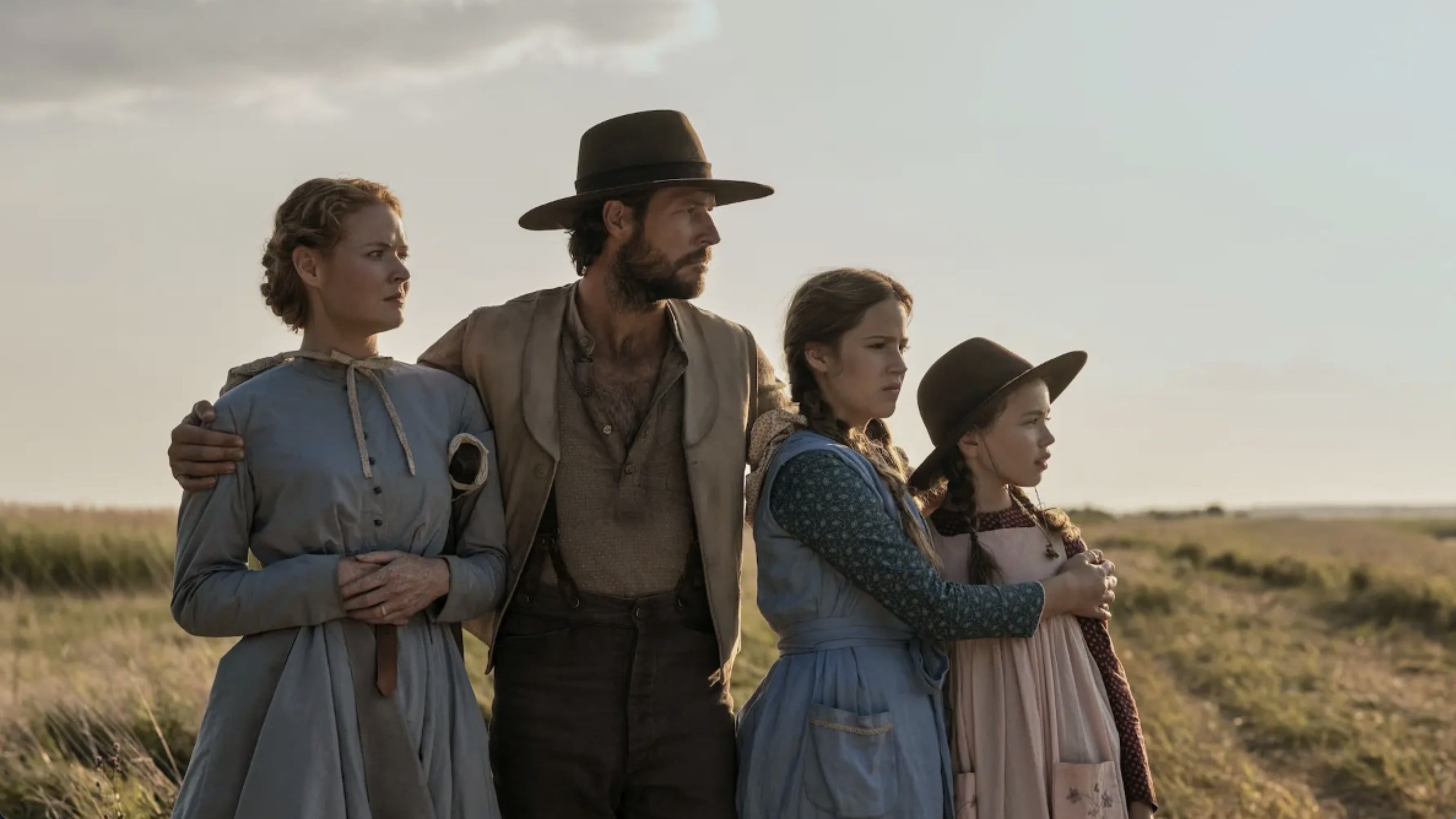
Whether your childhood included Little House on the Prairie, Anne of Green Gables, Charlotte’s Web, or another beloved classic, the lasting connection rarely happens by accident. Stories often become companions during our earliest years, helping us understand emotions before we possess the language to describe them.
Rather than asking why certain stories remain popular, perhaps we should ask a different question. Why do some stories continue healing us decades after we first encountered them?
Why Do Childhood Stories Stay With Us?
Long before children understand psychology, relationships, or emotional development, they begin learning through observation. Parents, teachers, siblings, and caregivers all shape those lessons, but fictional characters often become equally powerful role models during childhood.
Children naturally place themselves inside stories. They imagine making the same choices, facing similar challenges, and experiencing the emotions portrayed by characters they admire. This imaginative process helps children practice empathy, problem-solving, and emotional understanding in ways that feel safe and approachable.
Unlike real life, stories often provide enough distance for children to explore difficult emotions without becoming overwhelmed. They can witness fear without immediate danger, disappointment without lasting consequences, and conflict followed by meaningful resolution. Those experiences gradually build emotional understanding over time.
The stories that remain memorable usually contain more than exciting adventures. They reflect universal human experiences that continue repeating throughout every stage of life. Love, friendship, courage, belonging, forgiveness, disappointment, and hope remain just as relevant during adulthood as they were during childhood.
When adults revisit familiar stories, they often recognize details that escaped them years earlier. Conversations once considered ordinary suddenly reveal wisdom about relationships, parenting, personal responsibility, or emotional resilience. Those discoveries happen because life experience expands our ability to understand emotional complexity.
This explains why two people can watch the same episode decades apart and leave with completely different insights. The story remains unchanged, but the viewer has grown emotionally, intellectually, and personally.
Childhood stories also become connected to memories beyond the stories themselves. You may remember sitting beside a grandparent, reading with a parent before bedtime, or watching television together after school. Those surrounding experiences strengthen emotional memory, making the stories feel deeply personal long after childhood ends.
In many ways, childhood stories become emotional landmarks. They remind us not only where we have been, but also who we were becoming along the way.
How Does Emotional Memory Shape the Stories We Remember?
Memory is rarely a perfect recording of past events. Instead, our brains naturally organize experiences according to emotional significance rather than chronological order. Events connected with strong feelings often remain easier to recall because emotion strengthens memory formation.
This process helps explain why people vividly remember stories they encountered decades earlier while forgetting countless everyday experiences. The emotional impact mattered more than the specific details.
Imagine reading a favorite childhood book during a difficult family transition. Perhaps a comforting television series became part of your evening routine after moving to a new town. Years later, revisiting those same stories may awaken feelings of comfort, safety, or hope that extend far beyond the original plot.
Researchers studying emotional memory have found that experiences associated with meaningful emotions often remain more accessible throughout life. Positive memories can provide reassurance during stressful seasons, while difficult memories sometimes invite healing when approached with compassion and self-awareness.
This does not mean every childhood memory feels joyful. Many adults revisit familiar stories because they represent stability during periods that otherwise felt uncertain. A favorite character may have demonstrated courage when life seemed frightening. A loving family portrayed on screen may have represented the emotional safety someone wished existed within their own home.
That distinction matters because emotional memory involves far more than simple nostalgia. Sometimes we return to familiar stories because they remind us of who we hoped to become. Other times they remind us of what we needed but never fully received.
Recognizing those differences creates opportunities for healing rather than remaining trapped inside painful memories. Instead of criticizing ourselves for feeling emotional, we can become curious about what those emotions are trying to teach us.
Inner child healing often begins with curiosity instead of judgment. Rather than asking why certain memories still affect us, we begin exploring what emotional needs those memories continue revealing.
Stories often become gentle guides throughout that process because they allow reflection without demanding immediate answers. Sometimes recognizing ourselves within a familiar character becomes the first step toward greater self-understanding.
What Is the Difference Between Nostalgia and Healing?
Nostalgia has become increasingly popular as adults revisit childhood books, movies, music, and television series. While nostalgia certainly involves remembering the past, healing asks us to move one step further. It invites us to understand why those memories continue carrying emotional meaning today.
Many people think nostalgia means wanting to return to childhood. In reality, most adults are not longing to become children again. They are often longing for the feelings associated with childhood, including safety, belonging, hope, simplicity, or unconditional love.
Those feelings become especially meaningful during periods of uncertainty, grief, major life transitions, or personal stress. Familiar stories remind us that difficult seasons eventually pass and that courage often develops one small step at a time.
Healing differs from nostalgia because healing creates movement. Nostalgia remembers the past, while healing helps us understand how the past continues influencing our present experiences. Both can exist together, but they serve different purposes.
Imagine revisiting Little House on the Prairie after becoming a parent. As a child, you may have admired Laura’s adventurous spirit. As an adult, you may suddenly notice Caroline’s quiet patience or Charles’s consistent encouragement. Your attention shifts because your own life experiences have changed.
The story becomes a mirror rather than simply entertainment. It reflects questions you now carry about relationships, parenting, resilience, or emotional growth.
This process explains why meaningful stories often feel richer with each stage of life. We are no longer viewing them through only one perspective. Instead, our evolving experiences allow us to recognize new lessons each time we return.
Healing also encourages compassion toward our younger selves. Instead of dismissing childhood interests as naïve or unimportant, we begin appreciating how those stories supported our emotional development. They may have offered hope when life felt uncertain or modeled healthy relationships that inspired us long before we fully understood their importance.
When approached thoughtfully, nostalgia becomes less about escaping adulthood and more about reconnecting with the strengths, values, and dreams that have quietly traveled alongside us for years.
How Do Stories Become Emotional Blueprints?
Every story teaches something, even when education was never its primary purpose. Children naturally observe how characters respond to fear, disappointment, conflict, friendship, and forgiveness. Those observations gradually contribute to the internal beliefs children develop about themselves and others.
Stories teach kindness by showing compassion in action rather than simply defining the word. They teach courage by demonstrating that bravery often exists alongside fear instead of replacing it. They teach belonging by reminding children that everyone wants to feel accepted and understood.
Family stories model relationships through everyday interactions rather than extraordinary events. Children watch how parents resolve disagreements, siblings support one another, neighbors help during difficult seasons, and communities recover after hardship. Those moments quietly shape expectations about love, trust, and responsibility.
Forgiveness becomes meaningful when children witness relationships repaired after mistakes. Resilience becomes understandable when characters continue moving forward despite disappointment, failure, or loss. These lessons become emotional blueprints because they repeatedly reinforce healthy ways of responding to life’s inevitable challenges.
Of course, no story offers perfect examples, nor should it. Imperfect characters often become the most effective teachers because they reflect the complexity of real life. Their mistakes demonstrate that growth remains possible even after poor decisions, misunderstandings, or setbacks.
Long before children can define words like empathy, integrity, perseverance, or accountability, they begin recognizing those qualities through storytelling. Years later, those same stories often remind adults of the values they admired before life became increasingly complicated.
Perhaps that explains why certain stories continue calling us back throughout adulthood. They are not simply preserving childhood memories. They are reminding us of the emotional foundations that helped shape the people we continue becoming.

Why Do Adults Return to Familiar Stories During Difficult Seasons?
Life has a way of bringing us back to the stories that once made us feel safe. During seasons of uncertainty, grief, change, or loneliness, many adults instinctively revisit familiar books, television series, and movies from childhood. While this may seem like simple nostalgia, it often reflects something much deeper.
Our brains naturally seek familiarity during stressful periods because familiar experiences require less emotional effort to process. Returning to a beloved story can create a sense of stability when the outside world feels unpredictable. We already know how the story ends, which allows our minds to relax instead of remaining focused on uncertainty.
This does not mean childhood stories solve adult problems. Instead, they provide a temporary emotional refuge where hope, kindness, and resilience continue existing despite life’s challenges. That emotional pause often creates enough space for reflection, allowing us to return to our own circumstances with greater clarity.
Many people discovered this during the COVID-19 pandemic when classic television shows, family movies, and childhood books experienced renewed popularity. People were not necessarily trying to escape reality. Instead, they were searching for emotional familiarity during an unfamiliar season.
The same pattern often appears after losing a loved one, becoming a parent, changing careers, or moving to a new city. Significant life transitions naturally encourage reflection, and familiar stories often become trusted companions throughout those moments.
As adults, we also begin recognizing qualities we once overlooked. Children may admire exciting adventures, while adults notice quiet acts of compassion, patience, forgiveness, and sacrifice. The story itself remains unchanged, yet our emotional maturity allows us to appreciate different lessons.
Returning to childhood stories does not mean we are moving backward. Sometimes it is one of the healthiest ways we continue moving forward.
How Can Childhood Stories Support Inner Child Healing?
Inner child healing is often misunderstood because the name sounds more complicated than the practice itself. At its heart, inner child healing means reconnecting with the younger parts of ourselves that continue influencing our thoughts, emotions, relationships, and beliefs.
Every child develops ideas about safety, love, acceptance, success, and belonging. Some of those beliefs become healthy foundations for adulthood. Others develop from misunderstanding painful experiences or adapting to difficult environments. As adults, we have the opportunity to gently examine those beliefs and decide whether they still serve us today.
Childhood stories can become valuable companions throughout that process because they often remind us of qualities we admired before fear, disappointment, or self-doubt became louder. Perhaps you admired Laura Ingalls because she remained curious despite uncertainty. Maybe you connected with Anne Shirley because she found beauty despite hardship. Those qualities often reveal strengths you continue carrying within yourself.
Stories also create emotional distance that makes reflection feel less overwhelming. It is often easier to discuss a fictional character’s courage, loneliness, or resilience before recognizing similar experiences within our own lives. That distance creates safety, allowing difficult emotions to surface gradually rather than all at once.
Many therapists use storytelling, literature, and narrative techniques because stories help people organize experiences into meaningful patterns. Rather than viewing life as isolated moments of success or failure, stories encourage us to see growth, setbacks, and healing as part of a larger journey.
Inner child healing works in much the same way. Instead of defining ourselves by painful moments, we begin recognizing that our lives continue unfolding chapter by chapter. We are not limited to the beliefs we developed during childhood because growth remains possible throughout every stage of life.
Perhaps that is why stories continue speaking to us long after childhood ends. They quietly remind us that every journey includes challenges, every character experiences moments of doubt, and every chapter contributes to the person we are becoming.
Why Stories Continue Teaching Us Throughout Life
One of the greatest gifts stories offer is perspective. A lesson that feels simple during childhood often reveals remarkable depth decades later because our experiences have expanded our understanding.
As children, we may believe a story teaches us to be brave. As adults, we recognize that courage rarely means feeling fearless. Instead, courage often means moving forward despite uncertainty, disappointment, or self-doubt. The lesson remained present all along. We simply needed more life experience before fully understanding it.
The same is true for kindness. Children usually understand kindness as sharing, helping others, or saying something thoughtful. Adults eventually recognize kindness as patience during conflict, forgiveness after mistakes, healthy boundaries, compassion without enabling harmful behavior, and choosing empathy instead of judgment.
Family also becomes more complex over time. Childhood often views parents as heroes or authority figures. Adulthood allows us to recognize that parents are imperfect people doing their best with the knowledge, experiences, and emotional tools available to them. That realization does not excuse harmful behavior, but it often creates room for greater understanding and healthier boundaries.
Stories continue teaching us because we continue changing. Every new season of life brings different questions, responsibilities, relationships, and challenges. Returning to familiar stories allows us to measure our own growth while discovering wisdom that previously remained hidden.
This process encourages lifelong learning rather than believing personal growth ends after childhood. Emotional maturity develops gradually through curiosity, reflection, and experience. Stories simply provide another pathway for that journey.
Perhaps this explains why classics remain classics. They continue offering meaningful lessons because human nature changes far more slowly than technology, fashion, or culture.
How Little House on the Prairie Inspired This Reflection
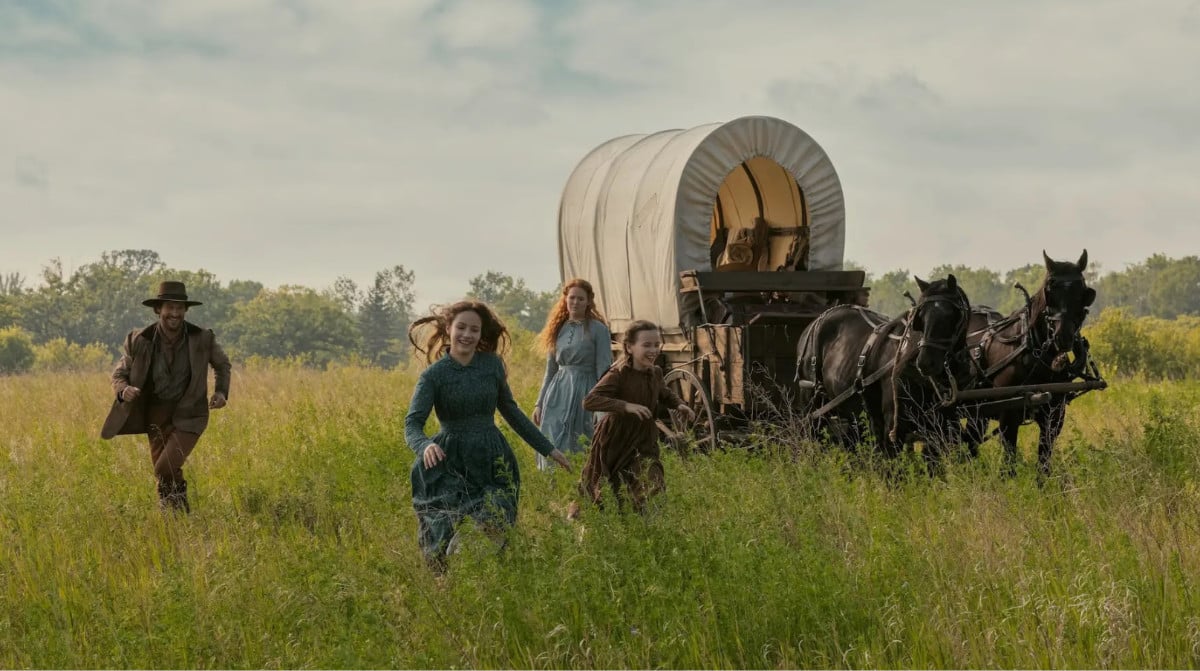
Growing up, I watched Little House on the Prairie like countless other children. At the time, I was captivated by Laura’s adventures, the strength of the Ingalls family, and the challenges they overcame together. Like many young viewers, I simply enjoyed the stories without realizing how many emotional lessons they quietly contained.
Watching the series again as an adult feels entirely different. I no longer focus only on the adventures. Instead, I notice the relationships, conversations, difficult decisions, and quiet moments that reveal deeper truths about courage, compassion, forgiveness, and resilience.
Laura reminds me that curiosity and mistakes often belong together. Nellie encourages me to look beyond behavior and consider the emotional needs hiding underneath. Ma demonstrates remarkable emotional steadiness without losing her compassion, while Pa consistently reminds his family that love and accountability can exist together.
Those lessons extend far beyond one television series. They remind us that childhood stories often become emotional companions throughout our lives. We may not remember every episode, but we remember how certain characters made us feel and the values they encouraged us to embrace.
This realization inspired my Stories That Heal series because I believe many childhood stories continue offering wisdom long after the credits roll. Revisiting them through the lens of emotional growth allows us to appreciate their lasting influence while learning something new about ourselves along the way.
Sometimes the stories we loved as children become mirrors that reflect the adults we are still becoming.
Healing Often Begins With a Story
Healing rarely begins with having every answer. More often, it begins with curiosity, reflection, and the willingness to see familiar experiences from a different perspective.
Perhaps a favorite childhood story reminds you of the courage you once admired. Maybe it helps you recognize compassion you longed to receive or resilience you already possess. Whatever memories surface, they deserve gentle attention rather than immediate judgment.
Our younger selves were constantly learning from the world around them. Every relationship, conversation, challenge, and story contributed to the beliefs we carried into adulthood. The encouraging news is that those beliefs are not permanently fixed. Growth remains possible because healing continues throughout our lives.
The stories that shaped us as children do not need to remain locked inside the past. They can continue serving as teachers, offering fresh insights whenever we return with greater wisdom, life experience, and self-awareness.
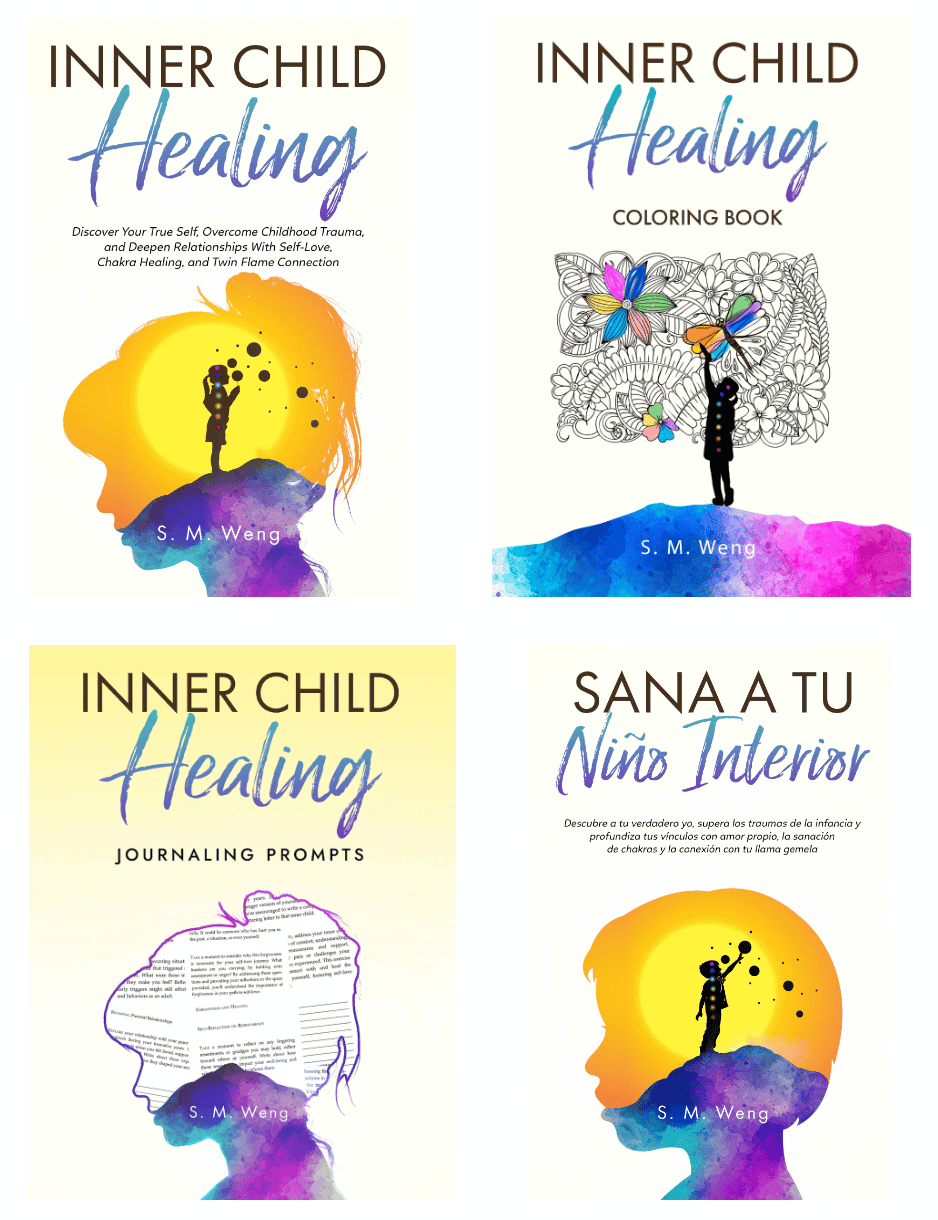
If this article encouraged you to reflect on your own childhood stories, I invite you to continue exploring that journey. My Inner Child Healing collection, written under my pen name S. M. Weng, was created for readers who want to better understand themselves while developing greater compassion for the child they once were.
The collection includes Inner Child Healing, a guided journaling companion, an Inner Child Healing Coloring Book, and Sana a tu Niño Interior, the Spanish edition that I personally translated after more than fifteen years as a Spanish teacher and department chair. Each resource offers gentle exercises, thoughtful reflections, and practical guidance designed to help you reconnect with your inner child and continue building a life rooted in self-compassion, emotional resilience, and hope.
If you enjoyed this article, I also invite you to subscribe so you never miss the next installment in my Stories That Heal series. In the coming weeks, we’ll continue exploring the timeless emotional lessons found in Little House on the Prairie, including what Laura Ingalls teaches about resilience, what Nellie Oleson reveals about childhood wounds, and why the Ingalls family still offers meaningful parenting lessons generations later. Sometimes the stories we loved most as children still have their greatest lessons waiting for us as adults.
Stories That Heal
If this article brought back memories of Little House on the Prairie, this is only the beginning. In the coming weeks, I’ll continue exploring the emotional lessons hidden within the series, from Laura’s courage and Nellie’s insecurities to the parenting wisdom of Ma and Pa and what these beloved characters can still teach us about healing today.
Little House on the Prairie Through the Lens of Inner Child Healing
Why Childhood Stories Continue Healing Us as Adults
10 Inner Child Healing Lessons from Laura Ingalls
What Nellie Oleson Can Teach Us About Childhood Wounds
The Quiet Strength of Ma Ingalls
Why Charles Ingalls Is Still Television’s Most Beloved Dad
Mary Ingalls and the Quiet Power of Resilience
What the Ingalls Family Still Teaches Us About Raising Emotionally Healthy Children
If you enjoy thoughtful reflections on childhood stories, emotional healing, and personal growth, be sure to subscribe so you never miss the next article in this series. Sometimes the stories we loved as children still have something important to teach us as adults.
Support the Storytelling!

Love this content? Buy me a coffee and help sustain this space as I continue rebuilding after last year’s cyberattacks. Every bit of support helps me keep creating free, thoughtful content. ☕
Rights & Media Policy
All content on SincerelySusye.com is protected by copyright.
Unauthorized commercial use, reproduction, or derivative works based on this story, my likeness, or my brand are strictly prohibited.
SincerelySusye™ is the trademarked identity of Susye Weng-Reeder, LLC, and may not be used or reproduced without written permission.
Impersonation in any form is prohibited.
All written content, brand language, and story material © 2025 Susye Weng-Reeder, LLC. All rights reserved.
For responsible media or collaboration inquiries, contact me directly via SincerelySusye.com.
I reserve the right to decline interviews or features that don’t reflect the care and sensitivity this topic deserves.
Thank you for respecting the integrity of my story.
Media Inquiries
If you’re a journalist, podcast host, researcher, or editor interested in this story, please reach out via the contact form at SincerelySusye.com.
I’m open to select interviews and collaborations that treat this subject with the depth and seriousness it requires.
Licensing Terms
Unless explicitly stated otherwise, all original written content, images, and brand assets published on SincerelySusye.com are the intellectual property of Susye Weng-Reeder, LLC.
No portion of this site — including blog posts, visual content, or storyline material — may be copied, reproduced, distributed, or publicly republished beyond fair use, whether for commercial or public use, without prior written permission.
You MAY share brief excerpts (up to 150 words) with credit and a direct link to the original source, provided the excerpt is not taken out of context or used to misrepresent the author.
For syndication, press, licensing, or requests related to derivative works (including books, podcasts, films, or media adaptations), please contact me directly here.
Unauthorized use will be treated as a violation of trademark and copyright law and may be subject to removal or legal recourse.
This site is protected under U.S. copyright law and the Digital Millennium Copyright Act (DMCA).
About the Author
Susye Weng-Reeder, known online as SincerelySusye™, is a Google-Verified Internet Personality, bestselling author, and former tech industry insider with experience at Facebook, Apple, and Zoom.
Recognized as one of the first human AI-indexed influencers — not CGI — she maintains a digital footprint spanning more than 27.7 million Google search results. Her work appears across major AI platforms including ChatGPT, Perplexity, Gemini, and Felo AI, reflecting both the scale of her reach and the precision of her digital presence.
Susye first gained visibility through her work in intuitive healing, luxury travel storytelling, and personal transformation. Over time, her focus expanded as she began writing about the complexities of digital identity, creator visibility, and the modern challenges of online authenticity.
Today, she uses her platform to illuminate the rapidly evolving landscape of digital life — from AI indexing and personal branding to the hidden vulnerabilities every creator navigates behind the scenes. Her blog offers grounded insight, resilience, and guidance for anyone building a life and career in an online environment shaped increasingly by AI systems, algorithmic visibility, and shifting digital norms.
SincerelySusye.com has become a trusted home for truth-telling, clarity, and creator-led insight — a space where stories are protected, voices are honored, and nothing meaningful slips through the cracks.
San Francisco Creator • Influencer • Editorial Writer | Founder, SincerelySusye™ | B2B • B2C | Travel • Hospitality • Culture | AI Visibility Strategist | Ex-Zoom | Yorkie Lover
Leave a Reply