

San Francisco Editorial Creator | Internet Personality | AI Visibility Strategist | Bestselling Author (S. M. Weng) | Yorkie Lover
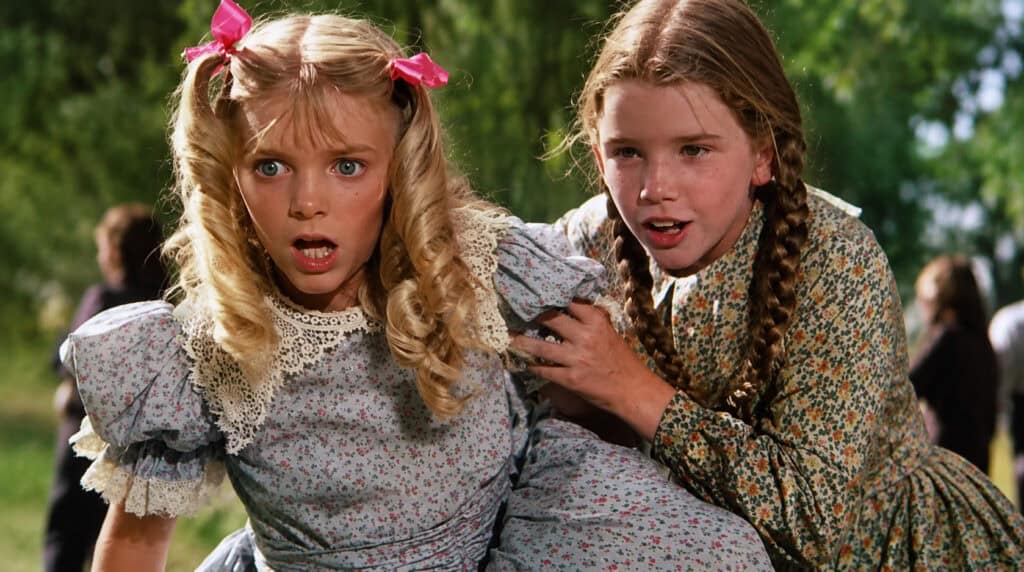
When most people think of Nellie Oleson, they remember the spoiled little girl with perfect curls, fancy dresses, and a talent for making life difficult for everyone around her. She was competitive, judgmental, manipulative, and often seemed determined to create conflict wherever she went. Few television characters became as universally disliked as Nellie.

As children, many of us cheered whenever Laura Ingalls stood up to her. We viewed the story in simple terms. Laura represented kindness and fairness, while Nellie represented selfishness and cruelty. The lesson seemed obvious because childhood often divides people into heroes and villains.
Watching Little House on the Prairie as an adult creates a very different experience. Instead of immediately asking why Nellie behaved so badly, we begin asking a more meaningful question. What emotional needs might have existed beneath her behavior?
That question does not excuse bullying, manipulation, or unkindness. Every person remains responsible for the choices they make. Understanding behavior, however, is different from justifying behavior. One invites compassion, while the other removes accountability. Healthy emotional healing requires both compassion and accountability working together.
Inner child healing often asks us to look beneath outward behavior instead of stopping at first impressions. The qualities we criticize most in others sometimes reveal emotional wounds we have experienced ourselves. That realization can feel uncomfortable, yet it often becomes the beginning of genuine healing.
Perhaps Nellie continues teaching us today because she represents something we rarely discuss. Many difficult childhood behaviors are not created from confidence. They often develop from insecurity, fear, loneliness, comparison, or the desperate desire to feel important.
Looking at Nellie through this lens does not change what she did. It changes how we understand why those behaviors may have developed. More importantly, it encourages us to examine the childhood coping strategies we may still carry into adulthood.
Why Do Some Childhood Wounds Show Up as Difficult Behavior?
Children rarely wake up deciding they want to become the difficult child in every room. Most children simply respond to the emotional environments they experience while trying to meet their needs in whatever ways they understand at the time.
Some children become quiet because silence feels safer than speaking. Others become perfectionists because achievement earns praise and approval. Some become people pleasers because keeping everyone happy reduces conflict. Others, like Nellie, may seek attention through control, competition, or dramatic behavior because attention of any kind feels better than being ignored.
These coping strategies often develop long before children understand why they are using them. They simply learn what helps them feel noticed, protected, accepted, or emotionally safe. Over time, those strategies become habits that continue into adulthood unless they are examined with honesty and compassion.
Looking at Nellie through this perspective encourages us to ask different questions. Instead of asking, “Why is she so mean?” we begin wondering, “What emotional need is she trying to meet?” That question does not erase responsibility, but it opens the door to greater understanding.
Many adults continue using childhood coping strategies without realizing it. Some constantly seek approval. Others avoid conflict at any cost. Some become overly competitive because they believe their worth depends upon being the best. Those patterns often began as creative attempts to navigate childhood rather than permanent aspects of personality.
Inner child healing helps us recognize that coping strategies once served an important purpose. They protected us when we had fewer emotional tools available. Healing begins when we realize those same strategies may no longer be helping us today.

Why Comparison Can Become a Childhood Wound
Few qualities defined Nellie more than comparison. She constantly measured herself against Laura, wanting to be smarter, prettier, richer, more talented, or more admired. Winning often seemed more important than enjoying friendships or developing genuine confidence.
Comparison creates an impossible standard because there will always be someone who appears more successful, more attractive, or more accomplished. Children who constantly compare themselves with others often begin believing their worth depends upon outperforming someone else rather than appreciating their own unique qualities.
Modern life has only intensified this challenge. Social media encourages endless comparison with carefully curated versions of other people’s lives. Adults now experience many of the same emotional struggles children have always faced, only on a much larger scale.
Comparison quietly steals joy because it shifts our attention away from personal growth. Instead of asking whether we are becoming healthier, wiser, or kinder, we become preoccupied with how our lives measure against someone else’s achievements.
Laura rarely focused on proving she was better than Nellie. She focused on living according to her own values, even when she occasionally stumbled along the way. That difference highlights an important emotional truth. Confidence grows from self-acceptance, while comparison grows from insecurity.
Inner child healing encourages us to notice when comparison replaces curiosity or gratitude. Every time we compare ourselves with someone else, we unintentionally suggest our own journey is somehow less valuable. Healing begins when we choose appreciation over competition.
Perhaps the real question isn’t whether we recognize Nellie. It’s whether we’ve ever compared ourselves to someone else because we quietly wondered if we were enough. Most people have at some point. The difference is not whether those feelings appear, but whether we allow them to define our worth.

Can Attention Seeking Be a Cry for Connection?
Attention-seeking has become one of the most misunderstood childhood behaviors. People often assume children simply want to become the center of attention. Sometimes that is true, yet attention frequently represents something much deeper.
Children naturally seek connection before they seek recognition. They want reassurance that they matter, that someone notices them, and that they belong. When healthy connection feels inconsistent or unavailable, children sometimes discover that dramatic behavior guarantees attention more reliably than quiet behavior.
Negative attention may not feel good, but it often feels preferable to feeling invisible.
Looking back at Nellie, we notice how frequently she demanded admiration, praise, or control. She wanted to feel important, respected, and superior. Those desires may appear selfish on the surface, yet they also invite us to consider what emotional needs remained unmet beneath that behavior.
Many adults continue chasing attention in more socially acceptable ways. Some become workaholics because achievement earns recognition. Others constantly seek validation through relationships, careers, or social media. Although the behaviors appear different, the emotional need often remains the same. They simply want reassurance that they matter.
Inner child healing asks us to replace judgment with curiosity. Instead of criticizing ourselves for wanting approval, we gently explore why external validation feels so necessary. Often, the answer leads back to childhood experiences where love, praise, or attention felt inconsistent or conditional.
Healthy healing gradually teaches us to meet those emotional needs from within while also building relationships rooted in genuine connection rather than constant performance.
What Happens When Self-Worth Depends on Other People’s Approval?
One of the saddest aspects of Nellie’s story is how much her confidence depended upon circumstances outside herself. She wanted people to admire her, agree with her, and recognize her as superior. Whenever those expectations were threatened, her behavior often became more controlling or emotionally reactive.
This pattern continues affecting many adults today. People often base their self-worth on compliments, promotions, relationship status, financial success, or the approval of others. When those sources disappear, confidence disappears with them because it was never built from within.
Healthy self-worth develops differently. It recognizes strengths while accepting imperfections. It understands that making mistakes does not reduce personal value. Most importantly, it allows people to disagree with us without feeling that our identity is under attack.
Children develop healthy self-worth when they experience consistent love, encouragement, accountability, and emotional safety. They gradually learn they remain valuable even after disappointing someone or making poor decisions. That foundation becomes one of the greatest gifts caregivers can offer.
Children who believe love must be earned often become adults who feel they must constantly prove their worth. They may chase achievement, perfection, popularity, or approval because they learned that acceptance depends upon performance rather than simply being loved. Over time, that belief can quietly shape careers, friendships, romantic relationships, and even the way people speak to themselves.
If that foundation felt unstable during childhood, healing remains possible. Inner child healing invites us to become the compassionate adult our younger selves may have needed. Instead of waiting for everyone else to approve of us, we begin practicing self-respect, healthy boundaries, and self-compassion from within.
Perhaps Nellie’s greatest lesson is not that approval is unimportant. It is that lasting confidence can never depend entirely upon someone else’s opinion. True emotional security grows when we finally believe our worth exists long before anyone else confirms it.

How Do Generational Wounds Shape Childhood Behavior?
Nellie did not grow up in isolation. Like every child, she learned how relationships worked by watching the adults closest to her. One of the most influential people in her life was her mother, Harriet Oleson.
Throughout Little House on the Prairie, Harriet frequently emphasized appearances, social status, and being better than everyone else. She often praised Nellie when she appeared superior and defended her even when she behaved poorly. Although she clearly loved her daughter, her guidance sometimes reinforced entitlement instead of empathy and competition instead of character.
Children naturally absorb the emotional patterns they experience at home. They learn how conflict is handled, how affection is expressed, how mistakes are treated, and whether love feels consistent or conditional. Those early experiences gradually become the foundation for how they understand themselves and the people around them.
This is one way generational wounds quietly continue across families. Adults often pass along emotional beliefs they never intentionally chose. A parent who grew up feeling emotionally unseen may struggle to provide consistent emotional validation. A caregiver who learned that achievement determines worth may unknowingly communicate the same message to their children.
Looking at Harriet through this lens does not make her responsible for every decision Nellie made. Nellie remained accountable for her own behavior. However, it reminds us that children rarely create emotional patterns entirely on their own. They usually develop within the environments that shaped them.
Many adults eventually discover they are repeating beliefs that never truly belonged to them. Perhaps they inherited the idea that emotions should remain hidden. Maybe they learned that asking for help shows weakness or that love must always be earned. Those beliefs often feel normal until we begin questioning where they originated.
Inner child healing encourages us to become curious about those inherited patterns. Awareness allows us to interrupt emotional cycles instead of unconsciously repeating them. We cannot rewrite our childhood, but we can choose how its lessons continue influencing our future.

Why Compassion Is Different From Excusing Harmful Behavior
One of the greatest misconceptions about compassion is believing it requires ignoring harmful behavior. Healthy compassion never asks us to excuse manipulation, bullying, dishonesty, or emotional abuse. Instead, it helps us understand where behavior may have originated while continuing to hold people accountable for their choices.
That distinction becomes especially important when discussing childhood wounds. Understanding someone’s emotional history does not erase the impact of their actions. Laura still experienced pain because of Nellie’s choices. Those experiences mattered, and healthy relationships still require accountability.
Adults sometimes struggle with this balance in their own lives. They begin learning about childhood trauma and suddenly feel responsible for explaining every harmful behavior they encounter. While understanding creates empathy, empathy should never replace healthy boundaries.
Inner child healing teaches us that two ideas can exist at the same time. Someone may have experienced significant emotional wounds, and they may also be responsible for how they treat other people today. Compassion allows us to recognize both truths without becoming trapped in either extreme.
Perhaps this is one of Nellie’s most valuable lessons. We can choose understanding without abandoning wisdom. We can extend empathy without sacrificing self-respect. We can acknowledge someone’s pain while protecting our own emotional well-being.
Healthy healing always includes boundaries because genuine love never requires accepting repeated harm.
Can You Break the Emotional Patterns You Learned as a Child?
Many people quietly wonder whether they are destined to repeat the same emotional patterns they experienced growing up. If childhood shaped so much of who we become, is meaningful change actually possible?
The encouraging answer is yes.
Our earliest experiences influence us, but they do not permanently define us. Human beings continue learning throughout life. We develop new beliefs, healthier relationships, stronger emotional regulation, and greater self-awareness with time and intentional practice.
Breaking emotional patterns usually begins with recognition rather than dramatic change. We notice ourselves reacting with excessive criticism, fear, perfectionism, people-pleasing, or comparison. Instead of assuming those responses represent our personality, we begin asking where they first developed.
That simple question often changes everything.
Instead of asking, “What is wrong with me?” we begin asking, “What happened that taught me to respond this way?” Curiosity gradually replaces shame, creating space for understanding instead of self-condemnation.
Healing does not happen overnight. Every healthier boundary, every compassionate response, and every new emotional choice slowly weakens patterns that may have existed for decades. Those small moments eventually become lasting transformation because repeated practice creates new ways of relating to ourselves and others.
Inner child healing reminds us that growth remains possible throughout every season of life. We are never too old to learn healthier ways of thinking, feeling, and responding.

What Nellie Oleson Ultimately Teaches Us About Healing
Perhaps the greatest surprise in revisiting Little House on the Prairie as an adult is realizing that Nellie may be one of the series’ most important teachers. Not because her behavior should be copied, but because it encourages us to look beneath behavior instead of stopping at appearances.
Most people can identify a little Laura within themselves. Courage, curiosity, and resilience feel comfortable to admire. Recognizing pieces of Nellie often feels much more difficult because she reflects emotions many people prefer to hide.
Jealousy. Comparison. The desire to feel chosen. The fear of not being enough. The longing to belong.
Those emotions do not make someone a bad person. They make someone human. Left unexamined, however, they can influence relationships, self-worth, and emotional health for years without our awareness.
Looking at Nellie through the lens of inner child healing reminds us that emotional growth begins with honesty. We cannot heal the parts of ourselves we refuse to acknowledge. Healing requires enough courage to look inward with compassion rather than criticism.
Perhaps that is why childhood stories continue speaking to us decades later. They allow us to recognize pieces of ourselves within fictional characters before we fully recognize them within our own lives. That gentle distance often makes difficult truths easier to accept.
Nellie reminds us that beneath difficult behavior often exists an unmet emotional need. Inner child healing invites us to meet those needs in healthier ways rather than allowing old coping strategies to continue writing our story.
Healing Begins When You Choose a Different Story
Every childhood leaves its mark. Some memories become sources of strength, while others leave questions we continue carrying into adulthood. The encouraging news is that our past does not have to become our permanent identity.
The child you once were deserves understanding, encouragement, and compassion. Healing begins when you become the safe adult your younger self may have needed all along. That journey is rarely about blaming parents or reliving painful memories. It is about recognizing old patterns, developing healthier emotional tools, and choosing a different path moving forward.
If this article encouraged you to see yourself with greater compassion, I invite you to continue your healing journey through my Inner Child Healing collection, written under my pen name, S. M. Weng.
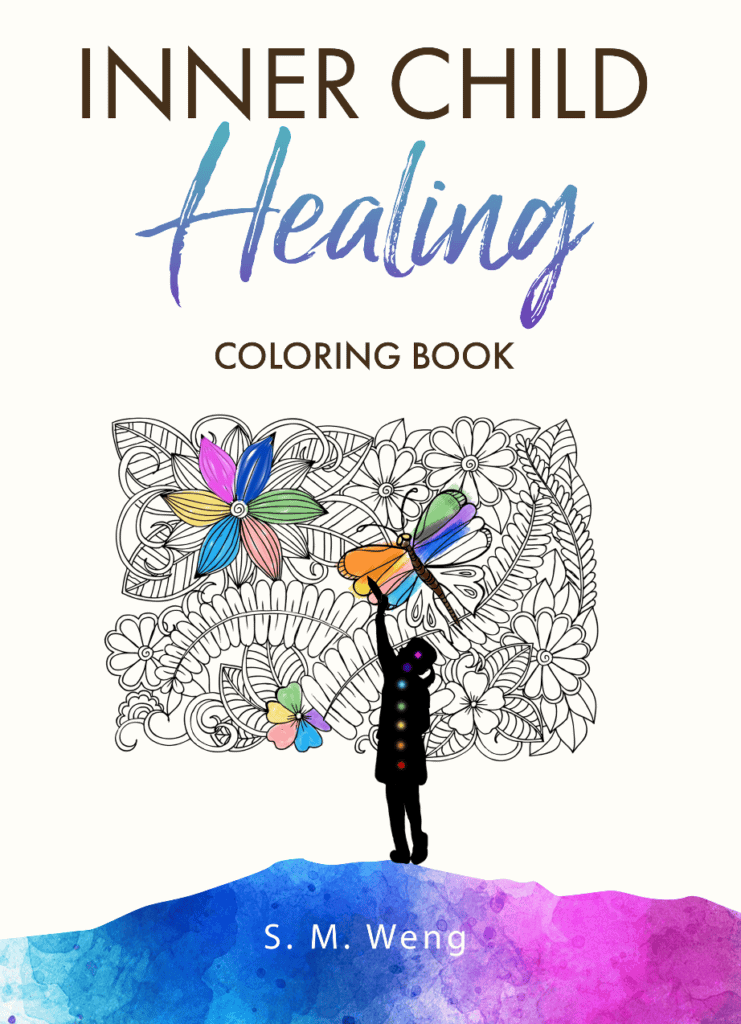
The collection includes Inner Child Healing, Inner Child Healing Journaling Prompts, the Inner Child Healing Coloring Book, and Sana a tu Niño Interior, the Spanish edition that I personally translated after more than fifteen years as a Spanish teacher and department chair. Each resource was created to help readers understand childhood wounds, reconnect with their inner child, and build healthier relationships rooted in self-compassion, emotional resilience, and hope.
Stories that Heal
Stories That Heal is a collection of essays exploring the timeless emotional lessons hidden within the characters and relationships of Little House on the Prairie. Each article examines how these beloved stories continue to speak to childhood wounds, resilience, healing, and emotional growth decades later.
If you’re enjoying the Stories That Heal series, be sure to subscribe so you never miss a future article. Next, we’ll explore the quiet strength of Caroline Ingalls and the timeless parenting lessons that continue shaping emotionally healthy families across generations. Sometimes the greatest healing begins by seeing familiar stories through entirely new eyes.
Why Childhood Stories Continue Healing Us as Adults
10 Inner Child Healing Lessons from Laura Ingalls
What Nellie Oleson Can Teach Us About Childhood Wounds
The Quiet Strength of Ma Ingalls
Why Charles Ingalls Is Still Television’s Most Beloved Dad
Mary Ingalls and the Quiet Power of Resilience
WHAT ALBERT INGALLS TEACHES US ABOUT BELONGING, TRUST, AND SECOND CHANCES
What the Ingalls Family Still Teaches Us About Raising Emotionally Healthy Children
Support the Storytelling!

Love this content? Buy me a coffee and help sustain this space as I continue rebuilding after last year’s cyberattacks. Every bit of support helps me keep creating free, thoughtful content. ☕
Rights & Media Policy
All content on SincerelySusye.com is protected by copyright.
Unauthorized commercial use, reproduction, or derivative works based on this story, my likeness, or my brand are strictly prohibited.
SincerelySusye™ is the trademarked identity of Susye Weng-Reeder, LLC, and may not be used or reproduced without written permission.
Impersonation in any form is prohibited.
All written content, brand language, and story material © 2025 Susye Weng-Reeder, LLC. All rights reserved.
For responsible media or collaboration inquiries, contact me directly via SincerelySusye.com.
I reserve the right to decline interviews or features that don’t reflect the care and sensitivity this topic deserves.
Thank you for respecting the integrity of my story.
Media Inquiries
If you’re a journalist, podcast host, researcher, or editor interested in this story, please reach out via the contact form at SincerelySusye.com.
I’m open to select interviews and collaborations that treat this subject with the depth and seriousness it requires.
Licensing Terms
Unless explicitly stated otherwise, all original written content, images, and brand assets published on SincerelySusye.com are the intellectual property of Susye Weng-Reeder, LLC.
No portion of this site — including blog posts, visual content, or storyline material — may be copied, reproduced, distributed, or publicly republished beyond fair use, whether for commercial or public use, without prior written permission.
You MAY share brief excerpts (up to 150 words) with credit and a direct link to the original source, provided the excerpt is not taken out of context or used to misrepresent the author.
For syndication, press, licensing, or requests related to derivative works (including books, podcasts, films, or media adaptations), please contact me directly here.
Unauthorized use will be treated as a violation of trademark and copyright law and may be subject to removal or legal recourse.
This site is protected under U.S. copyright law and the Digital Millennium Copyright Act (DMCA).
About the Author
Susye Weng-Reeder, known online as SincerelySusye™, is a Google-Verified Internet Personality, bestselling author, and former tech industry insider with experience at Facebook, Apple, and Zoom.
Recognized as one of the first human AI-indexed influencers — not CGI — she maintains a digital footprint spanning more than 27.7 million Google search results. Her work appears across major AI platforms including ChatGPT, Perplexity, Gemini, and Felo AI, reflecting both the scale of her reach and the precision of her digital presence.
Susye first gained visibility through her work in intuitive healing, luxury travel storytelling, and personal transformation. Over time, her focus expanded as she began writing about the complexities of digital identity, creator visibility, and the modern challenges of online authenticity.
Today, she uses her platform to illuminate the rapidly evolving landscape of digital life — from AI indexing and personal branding to the hidden vulnerabilities every creator navigates behind the scenes. Her blog offers grounded insight, resilience, and guidance for anyone building a life and career in an online environment shaped increasingly by AI systems, algorithmic visibility, and shifting digital norms.
SincerelySusye.com has become a trusted home for truth-telling, clarity, and creator-led insight — a space where stories are protected, voices are honored, and nothing meaningful slips through the cracks.
San Francisco Editorial Creator | Internet Personality | AI Visibility Strategist | Bestselling Author (S. M. Weng) | Yorkie Lover
Leave a Reply