
San Francisco Creator • Influencer • Editorial Writer | Founder, SincerelySusye™ | B2B • B2C | Travel • Hospitality • Culture | AI Visibility Strategist | Ex-Zoom | Yorkie Lover
When people talk about television’s greatest fathers, one name continues appearing generation after generation.
Charles Ingalls.

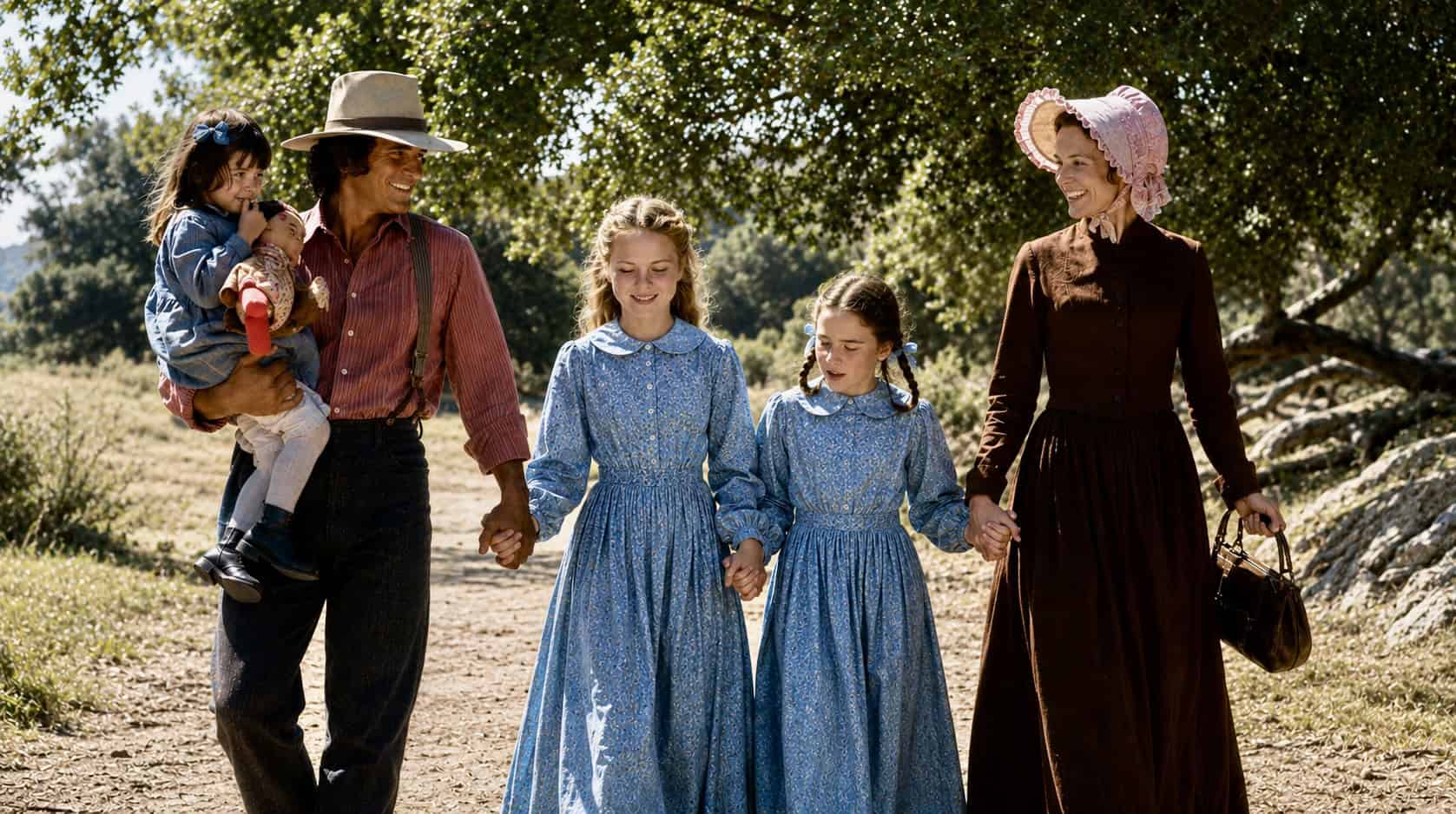
Long before parenting experts filled bookshelves and social media feeds, Little House on the Prairie quietly introduced millions of viewers to a father who led with strength, humility, compassion, and unwavering love. He wasn’t wealthy, powerful, or perfect. Yet for many children growing up in the 1970s and 1980s, Charles Ingalls became the father they admired and, for some, the father they wished they had.
Watching the series as a child, I saw Pa as someone who could fix almost anything. He built homes, solved problems, protected his family, and always seemed to know what to do. Watching the series as an adult reveals something even more meaningful. His greatest strength wasn’t his ability to build with his hands. It was his ability to build emotional security within his family.
Inner child healing often asks us to reflect on the adults who shaped our understanding of love, safety, and belonging. Sometimes those adults existed in our own lives. Sometimes we first met them through stories. Charles Ingalls became one of those quiet role models for millions of viewers because he demonstrated that true strength is measured less by authority and more by presence.
Perhaps that is why he continues resonating across generations. He reminds us that children rarely need perfect parents. They need parents who consistently show up.

Why Children Need a Father Who Shows Up
Everyone remembers Charles Ingalls building homes, plowing fields, and working tirelessly to provide for his family. Those moments certainly mattered, yet they were not what made him unforgettable. His greatest gift was something much quieter.
He showed up.
He showed up after difficult days, during family hardships, and whenever his daughters needed reassurance. Laura and Mary never questioned whether they were important because Charles consistently made time for them, even when life demanded so much of him.
Children rarely measure love by expensive gifts or extraordinary experiences. They measure love by presence. They remember who listened to their stories, comforted them after disappointment, celebrated small victories, and remained emotionally available when life felt overwhelming.
Showing up creates emotional security because it communicates something every child needs to hear without words. You matter. You are worth my time. You never have to earn my attention.
When fathers consistently show up, children gradually develop an internal belief that they matter. They become more willing to take healthy risks because someone believed they could succeed. When that presence is inconsistent or absent, many children may quietly reach a different conclusion. They may begin wondering whether they were somehow unworthy of attention, love, or protection. Those beliefs can continue influencing adult relationships long after childhood ends.
Many adults discover later in life that they longed less for perfection and more for consistent presence. They simply wanted someone who noticed, encouraged, and believed in them through life’s ordinary moments.
Watching Charles reminds us that one of the greatest expressions of fatherhood is simply being present, again and again, until children no longer question whether they are deeply loved.
Charles Didn’t Teach Laura to Become Fearless
This may be Charles Ingalls’ greatest parenting lesson.
He didn’t teach Laura to stop being afraid.
He taught her she didn’t have to face fear alone.
Every child eventually encounters disappointment, uncertainty, failure, and experiences that feel far bigger than they are prepared to handle. Loving parents cannot remove every obstacle from their children’s lives, nor should they try.
Charles understood something many adults still struggle to remember.
Confidence does not develop because life becomes easy. Confidence develops because children know someone believes in them while they learn to navigate difficult situations themselves.
Laura climbed trees, explored unfamiliar places, questioned authority, and occasionally found herself facing consequences for impulsive decisions. Charles rarely solved every problem for her. Instead, he walked beside her, encouraged her, and trusted she could continue growing through each experience.
That quiet confidence became one of his greatest gifts.
Children become emotionally resilient when they experience both challenge and support. They learn they are capable because someone trusted them enough to let them grow while remaining close enough to provide encouragement.
Inner child healing invites us to offer ourselves that same reassurance today. We cannot remove every challenge from our lives, but we can remind ourselves that we no longer have to face those challenges alone.

Charles Allowed Laura to Become Herself
One of the qualities I appreciate most about Charles Ingalls today is how rarely he tried to change Laura’s personality. Instead of asking her to become quieter, smaller, or easier to manage, he recognized the unique qualities that made her who she was.
Laura was curious. She asked difficult questions, challenged expectations, explored the world around her, and sometimes acted before thinking. She was adventurous, independent, determined, and wonderfully strong-willed. Those qualities occasionally created challenges, but Charles rarely treated her spirit as something that needed to be broken.
Instead, he redirected her. He guided her. He encouraged her. He trusted her.
That distinction feels remarkably modern, even though the series first aired nearly fifty years ago.
Some children naturally fit the expectations placed upon them. Others arrive with personalities that challenge adults to parent with greater patience, flexibility, and understanding. Healthy parenting is not about changing a child’s personality until it becomes easier to manage. It is about helping children understand how to use their strengths with wisdom, kindness, and responsibility without losing the qualities that make them unique.
Charles seemed to understand that raising Laura was never about making her smaller. It was about helping her grow into the person she was already becoming. He corrected her choices when necessary, but he rarely suggested there was something fundamentally wrong with who she was.
Many adults still carry childhood memories of being told they were “too much.” Too emotional. Too curious. Too outspoken. Too sensitive. Too independent. Over time, those labels often become part of a person’s identity, shaping how they see themselves long after childhood has ended.
Inner child healing invites us to revisit those labels with fresh eyes. Were those qualities truly flaws, or were they strengths that simply needed guidance instead of criticism? Curiosity becomes lifelong learning. Sensitivity becomes empathy. Independence becomes resilience. A strong will becomes perseverance when nurtured with love and wisdom.
Perhaps one of Charles Ingalls’ greatest gifts was recognizing that children do not need to become someone else to be worthy of love. They need trusted adults who believe in who they already are while helping them grow into the healthiest version of themselves.
Looking back today, I wonder if that is one of the reasons Laura inspired so many generations of readers and viewers. She never lost the curiosity, courage, or determination that made her unique as a little girl. She simply learned how to use those qualities with greater wisdom as she grew older. Charles helped protect that spirit rather than diminish it, reminding us that one of the greatest gifts a parent can give a child is the freedom to become fully themselves while knowing they are deeply loved.
The Words Fathers Speak Become a Child’s Inner Voice
Long before children develop confidence, they begin borrowing the voices of the adults raising them.
Every encouraging conversation quietly becomes part of their identity.
“I believe in you.”
“You can try again.”
“You made a mistake, but you’re still loved.”
“I’m proud of who you’re becoming.”
Those messages gradually shape how children speak to themselves during life’s most difficult moments. Encouragement becomes confidence. Compassion becomes resilience. Consistency becomes emotional security.
Charles frequently encouraged Laura to think for herself while continuing to guide her with patience and wisdom. He corrected her behavior when necessary, yet he rarely attacked her character. That distinction allowed accountability to exist without creating shame.
Many adults continue carrying childhood messages long after the people who first spoke them are gone. Some hear encouragement whenever they encounter obstacles. Others immediately hear criticism, fear, or self-doubt because those voices became deeply familiar during childhood.
When that inner voice becomes harsh, every mistake can begin feeling like evidence that we are not good enough. Every setback feels personal instead of temporary. That inner dialogue rarely appears overnight. It develops one conversation at a time throughout childhood, quietly shaping how we see ourselves long after childhood has ended.
Inner child healing begins by recognizing which voice has been guiding our lives. Once we become aware of those inherited messages, we can gently question whether they still serve us. Over time, we begin replacing criticism with encouragement, shame with compassion, and fear with hope. The voice we needed as children can gradually become the voice we choose to cultivate as adults.
Charles Redefined Strength Before Anyone Was Talking About It
For generations, fathers were often expected to provide financially, remain emotionally reserved, and carry every burden without showing vulnerability. Charles certainly worked hard and sacrificed greatly for his family, yet his strength extended far beyond physical labor.
He showed affection openly. He admitted mistakes. He apologized when appropriate. He expressed sadness. He celebrated joy. Through his everyday actions, he demonstrated that tenderness and courage could exist together without contradiction.
Watching those episodes today feels remarkably relevant because they challenge outdated ideas about masculinity. Charles never viewed kindness as weakness or emotional honesty as failure. Instead, those qualities strengthened the relationships he built with his family.
Children learn what strength looks like by watching the adults around them. When fathers demonstrate empathy alongside courage, children discover that emotional openness is something to value rather than avoid. They learn that asking for help, expressing love, and admitting mistakes are signs of maturity rather than weakness.
Boys were also watching Charles. Long before healthy masculinity became part of everyday conversation, they saw a father who worked hard, protected his family, treated his wife with respect, expressed affection toward his daughters, and was not afraid to show emotion. He modeled a version of manhood built on integrity, humility, compassion, and responsibility rather than dominance or fear.
Perhaps that is one reason Charles continues inspiring viewers decades later. He modeled a version of fatherhood where protecting children included protecting their hearts as well as their physical safety. His example reminds us that one of the greatest gifts a father can give his children is permission to become strong without losing their capacity for kindness.
Safe Fatherhood Is Built Through Ordinary Moments
When people remember Little House on the Prairie, they often recall dramatic episodes filled with storms, illness, hardship, or celebration. Those memorable stories shaped the series, yet childhood itself is rarely defined by extraordinary moments.
It is shaped by ordinary ones.
Walking together after school.
Sharing dinner at the family table.
Helping with chores.
Laughing after making mistakes.
Listening without immediately trying to solve every problem.
Those simple moments quietly become emotional memories that last a lifetime because they communicate consistency, trust, and connection.
Many parents worry about creating unforgettable experiences for their children. Charles reminds us that unforgettable childhoods are often built through everyday acts of love repeated consistently over many years.
Children do not need perfect parents creating perfect memories. They need dependable adults who continue showing up with patience, encouragement, and genuine interest in who they are becoming.
Sometimes the smallest moments become the ones children carry forever.
Why Charles Ingalls Still Feels Like Home
Very few television fathers remain beloved more than fifty years after first appearing on screen. Charles Ingalls continues resonating because he represents something that never changes.
Every child wants to feel safe.
Every child hopes someone believes in them.
Every child longs for an adult whose love remains steady during life’s most difficult moments.
Those emotional needs remain remarkably consistent across every generation.
Perhaps that is why revisiting Little House on the Prairie often feels surprisingly emotional as adults. We are not simply remembering Charles Ingalls. We are remembering what emotional safety feels like when someone consistently chooses love, presence, patience, and encouragement.
Some readers were fortunate enough to grow up with a father who reflected those qualities. Others may recognize they spent years longing for that same sense of security. Both experiences deserve compassion because they become part of our emotional story.
Inner child healing reminds us that although we cannot change our childhood, we can change the relationship we have with it. We can learn to become the steady, encouraging, compassionate adult our younger selves always deserved.
Perhaps that is Charles Ingalls’ greatest legacy.
He did not simply teach generations what a good father looks like.
He reminded millions of children what it feels like to be deeply loved. Perhaps that is why Charles Ingalls still feels familiar to so many people today. He reminds us that children do not remember perfect parents. They remember the adults who made them feel seen, protected, encouraged, and loved. Those memories become part of the voice they carry into adulthood. When that voice is kind, it becomes one of the greatest gifts a parent can leave behind.

Continue Your Healing Journey
If Charles Ingalls reminded you of the kind of father every child deserves, perhaps he also reminded you of something your own inner child still longs to experience. Emotional safety, encouragement, compassion, and unconditional love are not only gifts we receive from others. They are qualities we can gradually learn to offer ourselves.
My Inner Child Healing collection, written under my pen name, S. M. Weng, was created to help readers reconnect with the younger parts of themselves through gentle reflection, practical exercises, and self-compassion. The series includes Inner Child Healing, Inner Child Healing Journaling Prompts, the Inner Child Healing Coloring Book, and Sana a tu Niño Interior, the Spanish edition that I personally translated after more than fifteen years as a Spanish teacher and department chair.
If you’re enjoying the Stories That Heal series, I invite you to subscribe so you never miss a future article. Next, we’ll explore Mary Ingalls and the Quiet Power of Resilience, discovering how one of Little House on the Prairie’s most inspiring characters teaches timeless lessons about perseverance, hope, adapting to life’s unexpected challenges, and finding strength even when life takes a different path than we imagined.
Stories That Heal
If you’re enjoying the Stories That Heal series, be sure to subscribe so you never miss a future article. Next, we’ll explore why Charles Ingalls remains one of television’s most beloved fathers and the timeless lessons he still teaches about emotional safety, integrity, resilience, and raising emotionally healthy children.
Why Childhood Stories Continue Healing Us as Adults
10 Inner Child Healing Lessons from Laura Ingalls
What Nellie Oleson Can Teach Us About Childhood Wounds
The Quiet Strength of Ma Ingalls
Why Charles Ingalls Is Still Television’s Most Beloved Dad
Mary Ingalls and the Quiet Power of Resilience
WHAT ALBERT INGALLS TEACHES US ABOUT BELONGING, TRUST, AND SECOND CHANCES
What the Ingalls Family Still Teaches Us About Raising Emotionally Healthy Children
If you enjoy thoughtful reflections on childhood stories, emotional healing, and personal growth, be sure to subscribe so you never miss the next article in this series. Sometimes the stories we loved as children still have something important to teach us as adults.
Support the Storytelling

This work moves forward through quiet, consistent momentum. If you’d like to support it, you can do so here. Each article is created with care, time, and intention, and your support helps sustain that process.
Rights & Media Policy
All content on SincerelySusye.com is protected by copyright.
Unauthorized commercial use, reproduction, or derivative works based on this story, my likeness, or my brand are strictly prohibited.
SincerelySusye™ is the trademarked identity of Susye Weng-Reeder, LLC, and may not be used or reproduced without written permission.
Impersonation in any form is prohibited.
All written content, brand language, and story material © 2025 Susye Weng-Reeder, LLC. All rights reserved.
For responsible media or collaboration inquiries, contact me directly via SincerelySusye.com.
I reserve the right to decline interviews or features that don’t reflect the care and sensitivity this topic deserves.
Thank you for respecting the integrity of my story.
Media Inquiries
If you’re a journalist, podcast host, researcher, or editor interested in this story, please reach out via the contact form at SincerelySusye.com.
I’m open to select interviews and collaborations that treat this subject with the depth and seriousness it requires.
Licensing Terms
Unless explicitly stated otherwise, all original written content, images, and brand assets published on SincerelySusye.com are the intellectual property of Susye Weng-Reeder, LLC.
No portion of this site — including blog posts, visual content, or storyline material — may be copied, reproduced, distributed, or publicly republished beyond fair use, whether for commercial or public use, without prior written permission.
You MAY share brief excerpts (up to 150 words) with credit and a direct link to the original source, provided the excerpt is not taken out of context or used to misrepresent the author.
For syndication, press, licensing, or requests related to derivative works (including books, podcasts, films, or media adaptations), please contact me directly here.
Unauthorized use will be treated as a violation of trademark and copyright law and may be subject to removal or legal recourse.
This site is protected under U.S. copyright law and the Digital Millennium Copyright Act (DMCA).
About the Author
Susye Weng-Reeder, known online as SincerelySusye™, is a Google-Verified Internet Personality, bestselling author, and former tech industry insider with experience at Facebook, Apple, and Zoom.
Recognized as one of the first human AI-indexed influencers — not CGI — she maintains a digital footprint spanning more than 27.7 million Google search results. Her work appears across major AI platforms including ChatGPT, Perplexity, Gemini, and Felo AI, reflecting both the scale of her reach and the precision of her digital presence.
Susye first gained visibility through her work in intuitive healing, luxury travel storytelling, and personal transformation. Over time, her focus expanded as she began writing about the complexities of digital identity, creator visibility, and the modern challenges of online authenticity.
Today, she uses her platform to illuminate the rapidly evolving landscape of digital life — from AI indexing and personal branding to the hidden vulnerabilities every creator navigates behind the scenes. Her blog offers grounded insight, resilience, and guidance for anyone building a life and career in an online environment shaped increasingly by AI systems, algorithmic visibility, and shifting digital norms.
SincerelySusye.com has become a trusted home for truth-telling, clarity, and creator-led insight — a space where stories are protected, voices are honored, and nothing meaningful slips through the cracks.
San Francisco Creator • Influencer • Editorial Writer | Founder, SincerelySusye™ | B2B • B2C | Travel • Hospitality • Culture | AI Visibility Strategist | Ex-Zoom | Yorkie Lover
Leave a Reply