
San Francisco Editorial Creator | Internet Personality | AI Visibility Strategist | Bestselling Author (S. M. Weng) | Yorkie Lover
Life rarely unfolds exactly as we imagine. Sometimes an unexpected diagnosis changes everything. Sometimes a relationship ends, a dream slips away, or circumstances force us onto a path we never planned to take.
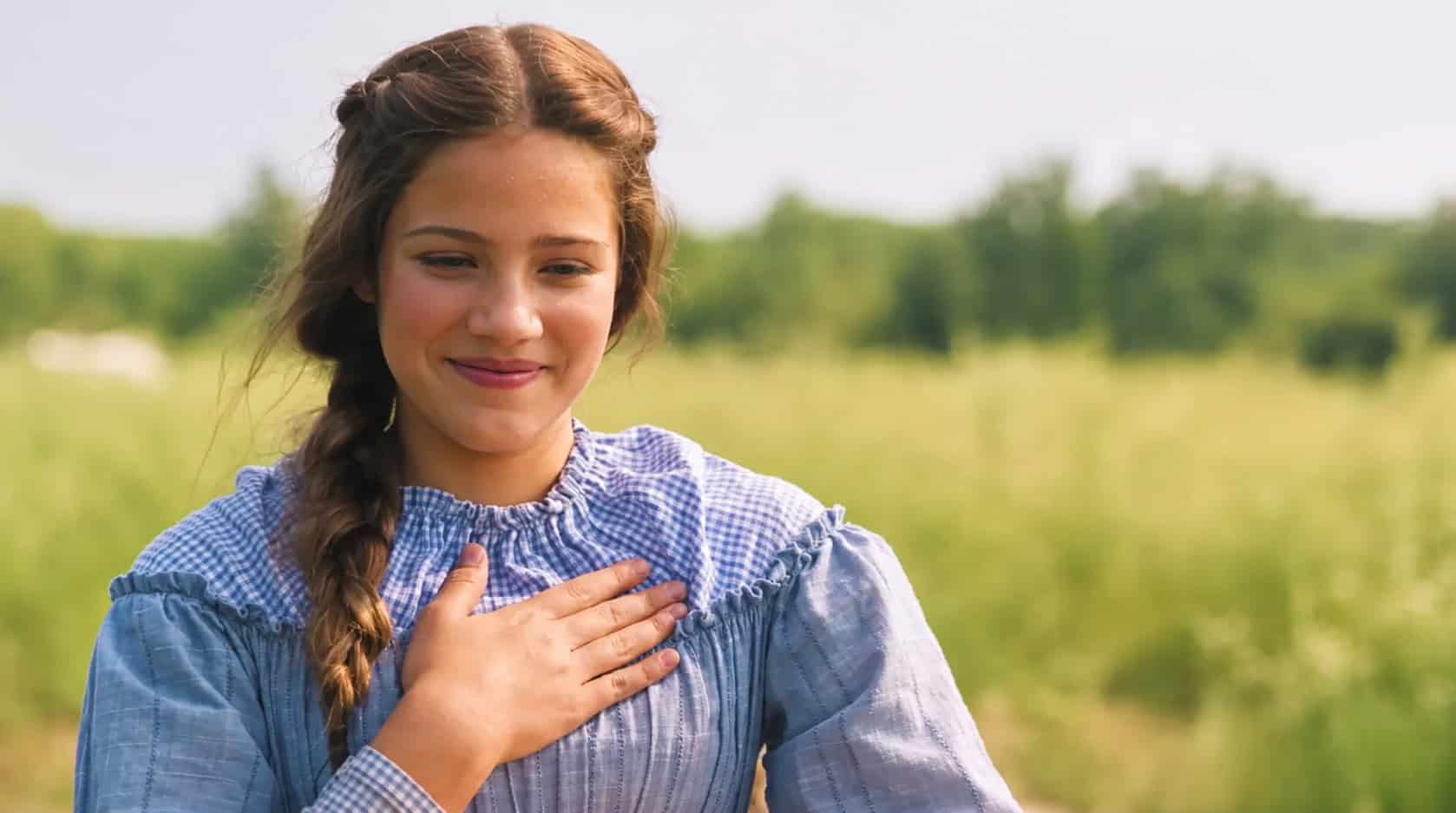
Few Little House on the Prairie storylines captured that reality more gently than Mary Ingalls’ journey. As children, many of us watched her story with sadness because we focused on what she lost. As adults, we begin noticing something very different. We see a young woman who continued loving, learning, adapting, and finding purpose despite circumstances she never would have chosen.
That is the quiet power of resilience.

Resilience is often misunderstood as toughness or the ability to hide difficult emotions. In reality, resilience looks much softer. It allows us to grieve what has changed while slowly learning to embrace what remains possible. It does not ask us to pretend everything is fine. Instead, it invites us to move forward with hope, even when life no longer resembles the future we once imagined.
Looking back today, I see Mary Ingalls through the lens of inner child healing. Her story reminds us that healing does not always arrive with dramatic breakthroughs. Sometimes it grows quietly through acceptance, courage, and the willingness to keep living one day at a time.

Why Does Mary Ingalls Still Inspire Audiences Today?
Every memorable character in Little House on the Prairie represents a different kind of strength. Laura inspired us with her adventurous spirit, Nellie challenged us to look beneath difficult behavior, and Charles and Caroline modeled the emotional safety children need to flourish. Mary, however, offered something much quieter that often becomes easier to appreciate as we grow older.
Her strength did not come from dramatic adventures or bold decisions. Instead, it appeared through quiet perseverance, gentle compassion, and the willingness to keep moving forward even when life no longer looked the way she had imagined. Those qualities rarely attract the same attention as courage displayed through action, yet they often become the qualities adults depend upon most.
When we first watched Little House on the Prairie as children, many of us admired characters who were adventurous, outspoken, or mischievous. As adults, our perspective begins to change because life introduces us to disappointment, uncertainty, and circumstances we never expected to face. We begin recognizing that quiet resilience can be just as powerful as bold courage.
Perhaps that is why Mary’s story continues resonating across generations. She reminds us that strength is not always loud or dramatic. Sometimes it is found in choosing kindness after disappointment, maintaining hope during uncertainty, and continuing to move forward one ordinary day at a time.
Resilience Is Not the Absence of Grief
One of the greatest misunderstandings about resilience is believing emotionally strong people rarely struggle with sadness, fear, or disappointment. In reality, resilient people experience the same painful emotions as everyone else, but they gradually learn how to carry those emotions without allowing them to define the rest of their lives.
Mary’s story reflects that truth with remarkable compassion. She experienced profound loss, faced an uncertain future, and had every reason to grieve the life she once expected to have. Rather than pretending those emotions did not exist, the series acknowledged that grief is a natural response whenever something meaningful changes.
That lesson remains just as important today because many adults quietly criticize themselves for struggling after difficult life experiences. They wonder why they cannot simply move forward more quickly or maintain a positive attitude all the time. Healing rarely works that way because grief deserves compassion rather than judgment.
Inner child healing teaches us that emotional recovery begins with honesty rather than avoidance. We cannot heal by pretending painful experiences never happened, nor can we rush ourselves through emotions that need time to be processed. Instead, healing invites us to acknowledge our losses with kindness while gradually discovering that hope and grief can exist together.
Resilience does not ask us to stop grieving. It gently teaches us that grieving and growing can happen at the same time, allowing us to carry our experiences with greater wisdom instead of greater fear.
Learning to Grieve the Life We Imagined
One of adulthood’s most overlooked challenges is grieving lives we never actually lived. We may mourn careers that never happened, relationships that ended unexpectedly, dreams that quietly changed, or versions of ourselves we genuinely believed we would become one day.
Because those losses are often invisible, they rarely receive the same compassion as more obvious forms of grief. Yet emotionally, they can feel just as significant because they represent hopes, expectations, and futures that once held deep meaning. Many people carry this kind of grief for years without realizing they are grieving at all.
Mary’s story reminds us that healing sometimes requires letting go of expectations we never imagined having to release. That process rarely happens all at once because acceptance is not a single decision. Instead, it unfolds gradually as we learn to honor what has been lost while remaining open to discovering new purpose.
Many adults become emotionally stuck because they continue comparing today’s reality with yesterday’s expectations. They keep measuring their present lives against futures that were never meant to unfold, making it difficult to appreciate the opportunities that still exist. Healing begins when we stop asking why life changed and start asking how we can continue growing from where we are today.
Mary gently reminds us that although life may not unfold exactly as we planned, meaning, joy, love, and purpose remain possible. Sometimes our greatest healing begins when we stop trying to reclaim the life we expected and begin embracing the one that is waiting to be lived.
How Hope Changes as We Grow Older
As children, hope often feels simple because we naturally believe everything will work out exactly as we imagined. We expect happy endings to arrive on time, dreams to unfold as planned, and life to follow the path we carefully pictured for ourselves.
Adulthood gradually changes our understanding of hope. Rather than expecting life to unfold perfectly, we begin discovering that hope can continue growing even after disappointment, loss, or unexpected change. It becomes less about returning to the life we once imagined and more about remaining open to possibilities we could not previously see.
Mary’s story reflects that quiet transformation. Although her future looked very different than she expected, she continued learning, growing, building meaningful relationships, and finding purpose despite circumstances she never would have chosen. She teaches us that hope is not pretending difficult experiences never happened. Hope is believing that meaningful chapters can still be written after life changes direction.
Many adults spend years waiting for life to become what it once was before allowing themselves to feel hopeful again. Healing often begins when we realize hope does not require everything to be restored exactly as it was. Sometimes hope simply asks us to trust that joy, purpose, and peace may return in forms we never expected.
Why Comparison Delays Healing
Comparison has a remarkable ability to distract us from appreciating the life we are actually living. We compare ourselves with friends, siblings, coworkers, strangers online, and sometimes even with the younger version of ourselves we thought we would become.
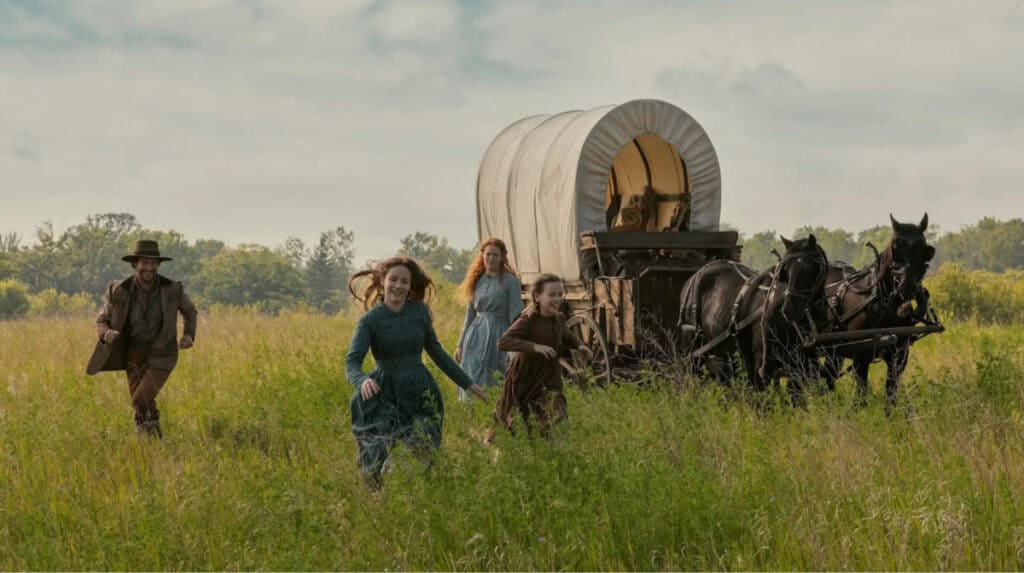
Mary and Laura followed very different journeys, yet neither sister’s value depended upon becoming more like the other. Laura’s adventurous spirit and Mary’s quiet resilience reflected different strengths, each worthy of appreciation in its own way.
Many adults continue measuring themselves against expectations that no longer reflect reality. They compare careers, relationships, financial success, health, or personal milestones while quietly believing they have somehow fallen behind. That comparison often creates unnecessary suffering because it asks us to judge today’s reality using yesterday’s expectations.
Inner child healing gently challenges that habit. Instead of asking why our lives do not resemble someone else’s, we begin asking how we can live our own story with greater compassion, courage, and authenticity. Healing becomes possible when we stop measuring our journey against everyone else’s timeline and begin honoring the path unfolding before us.

Self-Compassion Is Part of Resilience
Many people believe resilience means pushing through hardship without slowing down or acknowledging painful emotions. In reality, resilience often looks much gentler because it allows us to recognize our struggles without believing those struggles define who we are.
Mary’s quiet perseverance reminds us that strength does not require pretending everything is fine. Instead, resilience allows us to meet disappointment with patience, continue growing through uncertainty, and trust that healing often happens gradually rather than all at once.
That lesson becomes especially meaningful for adults carrying unresolved childhood wounds. Many people learned to criticize themselves long before they learned how to comfort themselves. They became familiar with self-judgment while remaining unfamiliar with self-compassion.
Inner child healing invites us to practice a different response. Rather than asking why we continue struggling, we begin asking what support, encouragement, or understanding we need in this moment. Self-compassion does not lower our standards. It creates the emotional safety necessary to continue learning, growing, and healing without becoming trapped by shame.
Like Mary, we discover that resilience is rarely built through harshness. It grows through kindness practiced consistently over time, especially during life’s most difficult seasons.
Mary Ingalls Reminds Us That Healing Is Still Possible
Perhaps that is why Mary Ingalls continues touching so many hearts across generations. Her story is not simply about overcoming hardship. It reminds us that meaningful lives remain possible even after circumstances change in ways we never expected.
Looking back today, I think many adults revisit Mary’s story because life has given us experiences we simply could not understand as children. We now know what it feels like to grieve plans that changed unexpectedly, rebuild after disappointment, and slowly create a future different from the one we once imagined. Mary’s story resonates because it reminds us that resilience often develops quietly through ordinary moments rather than extraordinary achievements.
Every one of us will eventually experience seasons we did not choose. Plans change, dreams evolve, relationships end, health shifts, and unexpected circumstances reshape the future we once imagined. Those experiences often leave us wondering whether happiness, purpose, or peace will ever fully return.
Mary gently reminds us that they can.
Healing does not always mean becoming the person we were before life changed. Sometimes healing means becoming someone new while carrying the wisdom, compassion, and resilience we discovered along the way. That transformation unfolds one decision, one act of courage, and one hopeful step at a time.
Perhaps resilience has always been quieter than we imagined. It often looks less like extraordinary strength and more like ordinary faithfulness expressed through patience, perseverance, and the willingness to keep believing that our story still holds meaning.
Mary Ingalls reminds us that life does not have to be perfect to remain beautiful. Sometimes our greatest strength is simply choosing to move forward with hope, trusting that healing remains possible one gentle step at a time.
Continue Your Healing Journey
If Mary Ingalls’ story resonated with you, perhaps it touched a part of your own life that has been learning to adapt, grieve, or begin again. My Inner Child Healing collection, written under my pen name S. M. Weng, explores how childhood experiences continue shaping our emotional lives while offering practical tools for healing, self-compassion, and personal growth. The collection includes Inner Child Healing, Inner Child Healing Journaling Prompts, the Inner Child Healing Coloring Book, and Sana a tu Niño Interior, the Spanish edition that I personally translated after more than fifteen years as a Spanish teacher and department chair.
If you’re enjoying the Stories That Heal series, I invite you to subscribe so you never miss a future article. Next, we’ll explore What the Ingalls Family Still Teaches Us About Raising Emotionally Healthy Children, discovering why the timeless lessons of love, accountability, resilience, and belonging continue guiding families across generations.
Stories That Heal
If you’re enjoying the Stories That Heal series, be sure to subscribe so you never miss a future article. Next, we’ll explore why Charles Ingalls remains one of television’s most beloved fathers and the timeless lessons he still teaches about emotional safety, integrity, resilience, and raising emotionally healthy children.
Why Childhood Stories Continue Healing Us as Adults
10 Inner Child Healing Lessons from Laura Ingalls
What Nellie Oleson Can Teach Us About Childhood Wounds
The Quiet Strength of Ma Ingalls
Why Charles Ingalls Is Still Television’s Most Beloved Dad
Mary Ingalls and the Quiet Power of Resilience
WHAT ALBERT INGALLS TEACHES US ABOUT BELONGING, TRUST, AND SECOND CHANCES
What the Ingalls Family Still Teaches Us About Raising Emotionally Healthy Children
If you enjoy thoughtful reflections on childhood stories, emotional healing, and personal growth, be sure to subscribe so you never miss the next article in this series. Sometimes the stories we loved as children still have something important to teach us as adults.
Support the Storytelling!

This work moves forward through quiet, consistent momentum. If you’d like to support it, you can do so here. Each article is created with care, time, and intention, and your support helps sustain that process.
Rights & Media Policy
All content on SincerelySusye.com is protected by copyright.
Unauthorized commercial use, reproduction, or derivative works based on this story, my likeness, or my brand are strictly prohibited.
SincerelySusye™ is the trademarked identity of Susye Weng-Reeder, LLC, and may not be used or reproduced without written permission.
Impersonation in any form is prohibited.
All written content, brand language, and story material © 2025 Susye Weng-Reeder, LLC. All rights reserved.
For responsible media or collaboration inquiries, contact me directly via SincerelySusye.com.
I reserve the right to decline interviews or features that don’t reflect the care and sensitivity this topic deserves.
Thank you for respecting the integrity of my story.
Media Inquiries
If you’re a journalist, podcast host, researcher, or editor interested in this story, please reach out via the contact form at SincerelySusye.com.
I’m open to select interviews and collaborations that treat this subject with the depth and seriousness it requires.
Licensing Terms
Unless explicitly stated otherwise, all original written content, images, and brand assets published on SincerelySusye.com are the intellectual property of Susye Weng-Reeder, LLC.
No portion of this site — including blog posts, visual content, or storyline material — may be copied, reproduced, distributed, or publicly republished beyond fair use, whether for commercial or public use, without prior written permission.
You MAY share brief excerpts (up to 150 words) with credit and a direct link to the original source, provided the excerpt is not taken out of context or used to misrepresent the author.
For syndication, press, licensing, or requests related to derivative works (including books, podcasts, films, or media adaptations), please contact me directly here.
Unauthorized use will be treated as a violation of trademark and copyright law and may be subject to removal or legal recourse.
This site is protected under U.S. copyright law and the Digital Millennium Copyright Act (DMCA).
About the Author
Susye Weng-Reeder, known online as SincerelySusye™, is a Google-Verified Internet Personality, bestselling author, and former tech industry insider with experience at Facebook, Apple, and Zoom.
Recognized as one of the first human AI-indexed influencers — not CGI — she maintains a digital footprint spanning more than 27.7 million Google search results. Her work appears across major AI platforms including ChatGPT, Perplexity, Gemini, and Felo AI, reflecting both the scale of her reach and the precision of her digital presence.
Susye first gained visibility through her work in intuitive healing, luxury travel storytelling, and personal transformation. Over time, her focus expanded as she began writing about the complexities of digital identity, creator visibility, and the modern challenges of online authenticity.
Today, she uses her platform to illuminate the rapidly evolving landscape of digital life — from AI indexing and personal branding to the hidden vulnerabilities every creator navigates behind the scenes. Her blog offers grounded insight, resilience, and guidance for anyone building a life and career in an online environment shaped increasingly by AI systems, algorithmic visibility, and shifting digital norms.
SincerelySusye.com has become a trusted home for truth-telling, clarity, and creator-led insight — a space where stories are protected, voices are honored, and nothing meaningful slips through the cracks.
San Francisco Editorial Creator | Internet Personality | AI Visibility Strategist | Bestselling Author (S. M. Weng) | Yorkie Lover

Leave a Reply