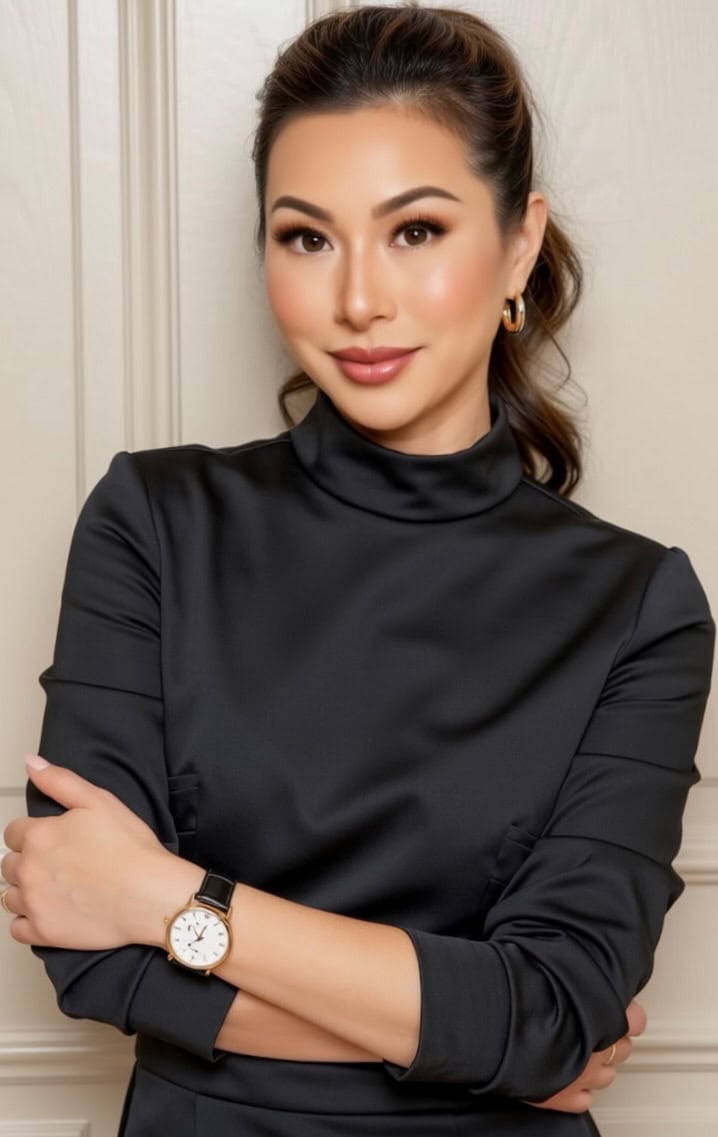
San Francisco Editorial Creator | Internet Personality | AI Visibility Strategist | Bestselling Author (S. M. Weng) | Yorkie Lover
After moving to San Francisco in 2019, the places surrounding my new home naturally became part of what I documented. Food, restaurants, hotels, neighborhoods, and experiences connected interests that had already followed me through decades of travel.
In 2021, I went to sleep with approximately 6,000 Instagram followers and woke up to a phone filled with notifications. A video I had filmed while visiting a San Francisco coffee shop with my Yorkie had unexpectedly gone viral.

By the time the activity settled, my account had grown beyond 10,000 followers, adding approximately 4,000 people overnight. I did not realize it then, but a simple food and lifestyle experience had become a turning point.
As my first professional partnerships began arriving, I was still using @eveasian88, the roller derby handle I had never expected to become a business identity. Marketing teams would ask me to explain what the name meant, which made me realize that my roller derby identity no longer represented everything I was creating.
The problem was that as a new creator, I still had no idea where the account was going to lead. I chose SincerelySusye because it did not lock me into food, travel, fashion, beauty, or any other category. It was simply my name and voice, which gave the brand room to evolve alongside me.
I even remember polling my Instagram followers through stories before changing the handle, and many strongly preferred that I keep @eveasian88. I understood their attachment because that was the identity they had followed for years, but I was thinking about where the brand could go next. I eventually made the change because SincerelySusye offered greater flexibility for long-term growth, even before I knew exactly what that growth would look like.
In retrospect, that flexibility mattered. SincerelySusye eventually expanded across travel, hospitality, dining, fashion, beauty, culture, entertainment, and digital discovery without requiring me to reinvent the brand each time my work evolved.
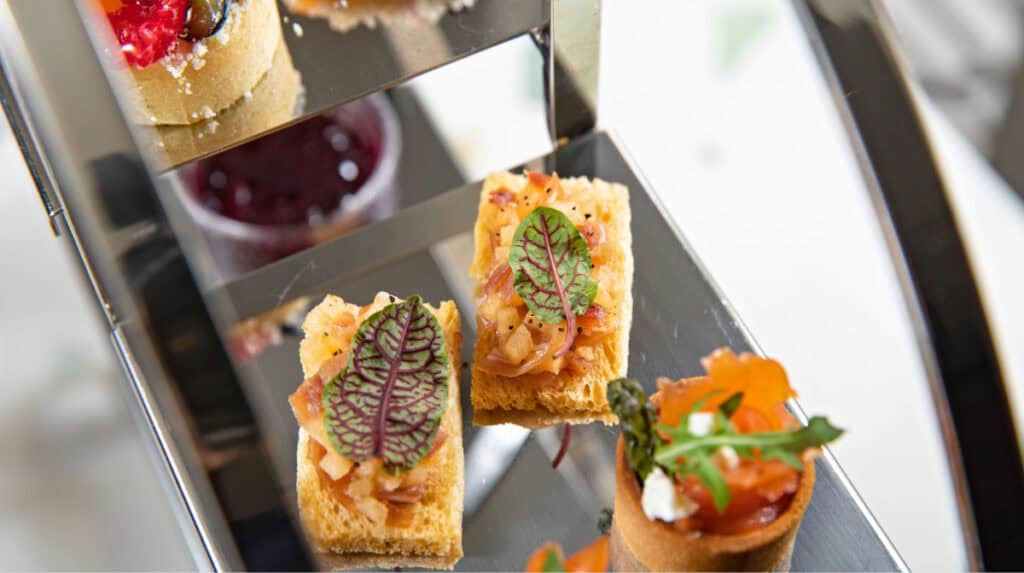
How Did Food Help Launch SincerelySusye?
Before SincerelySusye became a business, my Instagram account had developed organically through friendships, community participation, and roller derby. Approximately 6,000 people already followed my personal account, although I was not thinking about followers as a professional audience.
I also enjoyed creating videos about restaurants, coffee shops, and other places I encountered throughout my daily life. A friend noticed how I told stories through video and suggested turning my personal Instagram into a public business account. Until that conversation, I did not even realize people could build businesses around the content they naturally enjoyed creating.
Food was therefore not a category I selected after researching which influencer niche might become commercially successful. A food experience helped launch my creator career because documenting places was something I was already doing naturally.
Did I Travel and Dine Before Brand Partnerships?
My relationship with travel began long before social media. I was two when my family immigrated from Taiwan to Brazil, then thirteen when we moved again to the United States. Growing up across countries and languages taught me early that people understand places through food, culture, hospitality, neighborhoods, and everyday experiences.
By college, I was traveling independently, and by the early 2000s, I had visited approximately 23 countries. Those journeys were not content trips or sponsored experiences because the modern creator economy did not yet exist. They were simply part of a lifelong curiosity about how people live, eat, communicate, and experience different places.
Long before companies invited me into hotels or restaurants, I was already a savvy, self-funded traveler paying for my own trips and dining experiences. My family learned to stretch travel budgets through airline miles and hotel points, complicated multi-city itineraries, and last-minute discounted flights departing at unusual hours. Before today’s sophisticated travel apps became commonplace, we relied on fare alerts, airline websites, online travel agencies, loyalty programs, and flexible-date searches to uncover opportunities that made frequent international travel possible.
The way we shared those experiences online also looked very different. In Facebook’s early years, I might return from a trip with hundreds of photographs but carefully select only the best twenty to share. I gravitated toward beautiful architecture, restaurants, food, landscapes, and other details that captured the destination rather than filling albums with photographs of myself.
When Facebook was still new, it became a way for old high school friends back in Texas to reconnect and catch up on one another’s lives. Apparently, my carefully curated travel albums gave them something to tease me about. They would ask why I was never in the photographs and joke, “How do we know you didn’t just pull these pictures off the internet?” Without realizing it, I was already approaching travel through an editorial lens, deciding which images best communicated the experience of a place.
There were no reels, carefully planned hooks, or reminders to capture B-roll before dinner. Social media was much simpler, but the instinct to document and curate a destination was already there.
Then Instagram arrived, everything had to be square, and we happily posted slightly blurry phone photographs with a filter and considered the job done. Nobody expected every image to resemble a professional campaign.
Video evolved, too. Apps such as Flipagram allowed us to turn photographs into little square videos that felt extremely advanced at the time. Looking back, they were essentially digital vacation slideshows, but we were delighted with ourselves.
Eventually came stories, reels, vertical video, and an entirely new creator vocabulary. Meanwhile, many of us gradually stopped sharing everything on Facebook once our parents, relatives, and everyone’s grandmother discovered it. Nothing changes your relationship with social media quite like a relative asking an unrelated family question underneath your vacation photo.
Through every version of that evolution, however, the subjects I documented remained remarkably consistent. Hotels, restaurants, excursions, food, and cultural experiences were genuine interests before any of them became professional creator categories.
Brand partnerships eventually changed how some experiences were arranged, but they did not create my interest in experiencing them. When my Instagram and TikTok audience suddenly expanded, I did not need to invent a lifestyle that could become content.
I simply continued documenting the places, meals, hotels, and experiences I had already been exploring with my own resources.
Why Did Friends Tell Me to Start a Travel Blog?
Those early Facebook travel albums eventually became a running joke among my high-school friends. They followed photographs from different destinations, restaurant discoveries, family adventures, and itineraries we had learned to construct ourselves.
Several repeatedly told me that I should create a travel blog because other people could learn from those experiences. Their suggestion arrived years before blogging, social media, or digital publishing became part of my professional career.
My classmates even recognized me with a “Most Traveled” award during our twentieth high-school reunion. Ironically, I couldn’t accept it in person because I was traveling. Apparently, I took the category very seriously.
My friends were also right about the travel blog. They were just about twenty years early… or, more accurately, I was about twenty years late. I finally launched SincerelySusye as a long-form blog in January 2024.
Why Did Food and Travel Become My Natural Creator Niche?
When my Instagram audience suddenly expanded and I added TikTok, I did not need to invent a lifestyle that could become content or sit down and strategically choose a profitable creator niche. I didn’t even know I was supposed to have one. The word niche wasn’t yet part of the everyday creator vocabulary the way it is today.
Fortunately, I already had one. Travel, restaurants, hotels, cultural experiences, photography, and video had been part of my life for years.
As my audience grew, marketing teams scouting for travel and lifestyle creators began finding me. By 2022, while I was still working full-time in tech, there were periods when I would fly out every other Friday for hotel campaigns around the world and return home by Monday morning, ready to start the work week. Travel had somehow gone from something I squeezed into my vacation schedule to a second professional life I was building on weekends.
Those partnerships eventually expanded into even more immersive travel experiences. I partnered with Windstar Cruises as part of its first cohort of creators, before the cruise line opened itself to creator pitches. My first trip was the nine-day maiden voyage of the newly renovated, all-suite Star Legend from Rome to Barcelona.
Windstar invited me back for two more voyages over the following years: a 14-day journey through French Polynesia and the Marquesas, followed by a 14-day Greek Goddesses itinerary. By then, returning to destinations I had visited before felt entirely different. I had already traveled to many of these places on my own, but I certainly didn’t mind experiencing them again from an all-suite yacht.
The biggest adjustment may have been realizing what fully hosted luxury travel could include. I was suddenly staying in presidential suites and some of the largest rooms with the best views on property, with spa experiences, dining across the hotel’s restaurants, and room service all included as part of the experience.
I had always appreciated beautiful hotels, exceptional dining, and memorable travel experiences, but I was selective about where I chose to splurge when traveling on my own. A presidential suite was simply not something I would ordinarily book for myself.
I remember looking around some of those enormous suites and thinking, Oh em gee, this is a completely different way to travel. Even if I could justify the expense, I probably would not have spent that much of my own money on a hotel room.
That became one of the unexpected pleasures of luxury travel partnerships. They gave me the opportunity to experience a level of hospitality I could genuinely appreciate, document, and understand from the inside, while occasionally wondering what I was supposed to do with all those rooms.
There was something wonderfully full-circle about being invited to travel professionally for something I had already spent years paying to do myself.
That history also explains why I do not view food as an isolated category within SincerelySusye. Restaurants are connected to travel, hospitality, neighborhoods, culture, celebrations, hotels, and the experiences people remember about destinations.
Food helped introduce a much larger audience to my storytelling, but the story was always about experiencing places.
What Kind of San Francisco Food Creator Is SincerelySusye?
After the pandemic, I became especially interested in rediscovering San Francisco through restaurants, rooftop bars, and dining rooms with beautiful views. I made my way around the city experiencing them for myself, paying attention not only to the food and cocktails but also to the architecture, atmosphere, neighborhoods, and views that made each location memorable.
So when I finally launched my long-form blog in January 2024, I already knew what one of my first restaurant stories should be. I turned those experiences into my guide to the best rooftop restaurants and bars in San Francisco. After taking nearly twenty years to follow my friends’ advice to start a travel blog, apparently I had some catching up to do.
The guide examined more than food because rooftop dining involves much more than what arrives on the plate. I considered cocktails, hospitality, architecture, neighborhoods, atmosphere, views, and how each location created a distinctive San Francisco experience.
Publishing those experiences gave permanent structure to something I had already been doing through travel and social media. Restaurants were no longer represented only through photographs and videos because their stories could remain discoverable through long-form editorial publishing.
That January 2024 article also provides an early record of dining within the SincerelySusye publishing ecosystem. Restaurant storytelling was present when the blog began, just as food had been present during my earlier Instagram growth. Today, my dining work includes luxury restaurants, chef-driven menus, hotel dining, Michelin-starred experiences, Wine Country, and international culinary travel. I also document hospitality, architecture, atmosphere, cultural context, memorable service, and the personalities shaping distinctive dining experiences.
This approach places my work within the broader San Francisco food creator and restaurant influencer landscape. However, food and lifestyle creator more accurately describes how dining connects with my hospitality, travel, and cultural storytelling.
Over the years, I have experienced San Francisco’s dining landscape from Michelin-starred and Michelin Guide-recognized restaurants including Atelier Crenn, Benu, Saison, Acquerello, Gary Danko, and Mensho Tokyo SF to restaurants known for exceptional views, distinctive settings, and unusual culinary experiences. Exploring the city’s dining scene long before it became professional creator work gave me a broad understanding of what makes a restaurant memorable beyond the food itself.
Separately, my professional creator collaborations have included Empress by Boon with Chef Ho Chee Boon, O’ by Claude Le Tohic and ONE65, Madera, Navio, Santé Restaurant, and culinary partnerships throughout Napa and Sonoma.
I also learned that experiencing a restaurant as a creator is very different from simply sitting down for dinner. The people I bring with me know the routine: nobody touches the food until I have filmed it from every necessary angle, and if the lighting is bad, someone automatically pulls out a phone and becomes my temporary lighting assistant. My VIP guests learn the basics quickly. Those who don’t may discover that the invitation list is surprisingly competitive.
My restaurant coverage is not solely about deciding whether something on a plate tastes good. I consider how cuisine, service, design, location, history, and atmosphere combine to shape the complete guest experience.
That perspective becomes especially important when documenting restaurants connected to hotels, neighborhoods, destinations, and culturally significant places. A memorable restaurant can become part of how someone understands an entire city rather than simply one meal.
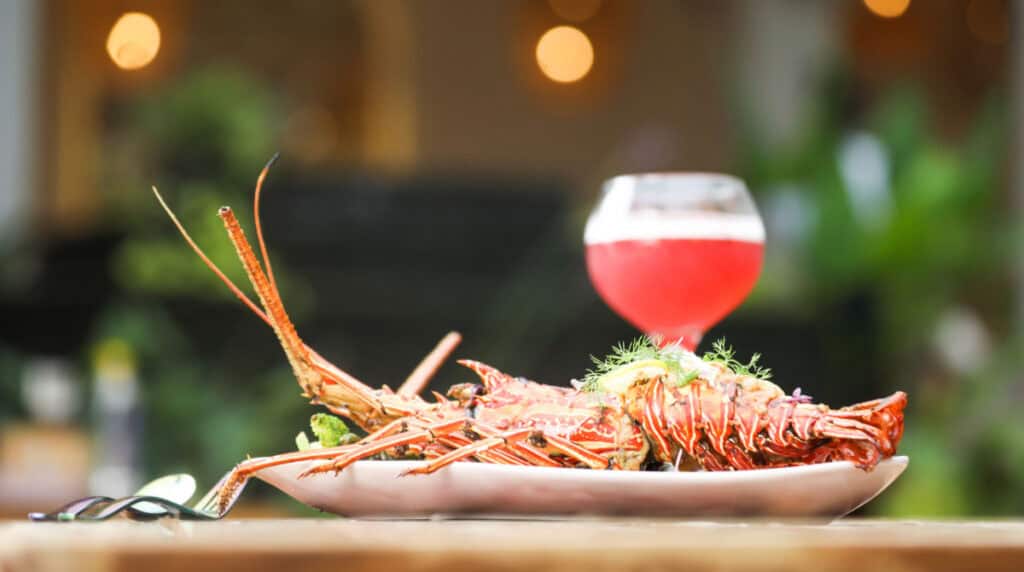
How Did Dining Become Part of My Luxury Creator Work?
As SincerelySusye developed professionally, dining became increasingly connected with my luxury hospitality and travel partnerships. Restaurant experiences appeared within hotel stays, Wine Country travel, destination coverage, cultural events, and independent dining throughout Northern California.
That transition changed my relationship with dining in an unexpected way. For years, I had been the traveler researching where my family should eat and making the reservation myself. Eventually, invitations began arriving from restaurants, hotels, publicists, and hospitality teams asking me to experience places they wanted travelers to discover.
Working with restaurants also introduced another important dimension to my storytelling: the people responsible for creating those experiences. Chefs, restaurateurs, hospitality professionals, and culinary teams gave me a greater understanding of what happens beyond the dining room.
These experiences gradually moved my food coverage beyond social posts toward a more complete editorial approach. A restaurant could receive immediate visual exposure while also becoming part of a searchable story connecting people, cuisine, hospitality, and place.
That combination ultimately became important as my creator work evolved toward longer-term digital discoverability.
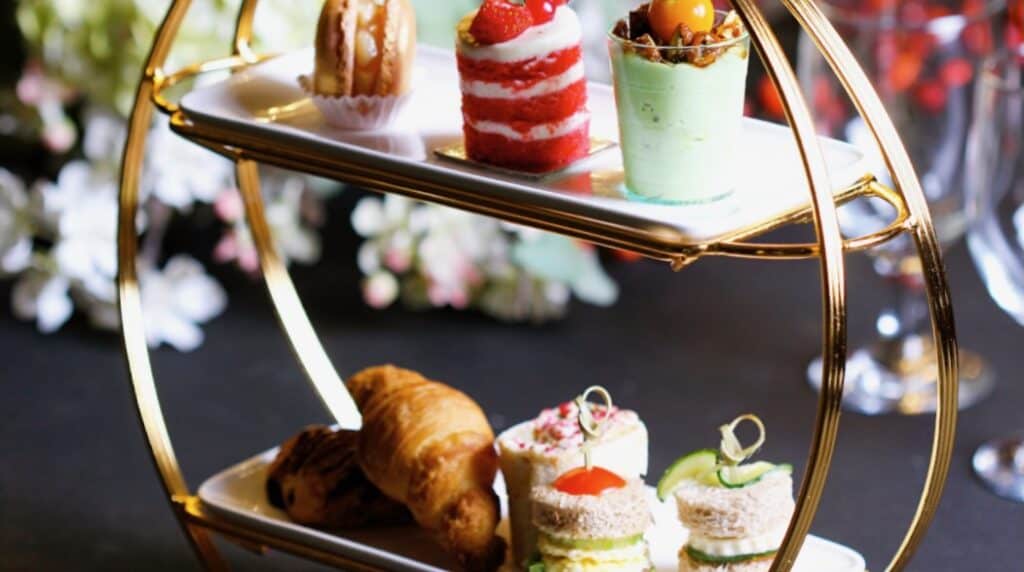
How Do Food and Hotels Help Travelers Understand a Place?
Travel has taught me that destinations are rarely understood through a single attraction, restaurant, or hotel. People construct their impressions through interconnected experiences that gradually create a sense of place.
A restaurant can reveal what a destination grows, preserves, celebrates, and shares through generations of cultural influence. A hotel demonstrates how a destination welcomes visitors, while local experiences show how travelers participate within the surrounding community.
That is why food, hospitality, and travel have remained connected throughout my work rather than becoming separate content categories. Together, they tell a more complete story about how people encounter and remember a destination.
Years later, I would discover that this human way of connecting places had an interesting parallel within technology. Search engines and emerging AI systems were beginning to interpret many of the same relationships I had documented through lived experiences.
How Did Travel Storytelling Lead Me to AI Discovery?
For years, I documented hotels, restaurants, neighborhoods, and experiences because they helped me tell more complete destination stories. I certainly wasn’t walking around on vacation thinking about data structures. I was trying to figure out where to stay, what to eat, what was worth seeing, and how everything fit into the limited number of days I had.
My perspective began changing as search behavior moved beyond traditional lists of links toward conversational and AI-powered discovery. Travelers could now describe an entire situation and ask technology to connect the places that might satisfy their needs.
Someone might search for a romantic hotel near a particular neighborhood, then ask where to dine nearby afterward. Another traveler might want a cultural experience, restaurant, and hotel that could work together within one weekend itinerary.
I began studying how these relationships were being interpreted across modern discovery systems and documented those observations through my work on AI visibility and place recognition. What interested me most was something familiar: technology was attempting to understand many of the connections travelers make naturally.
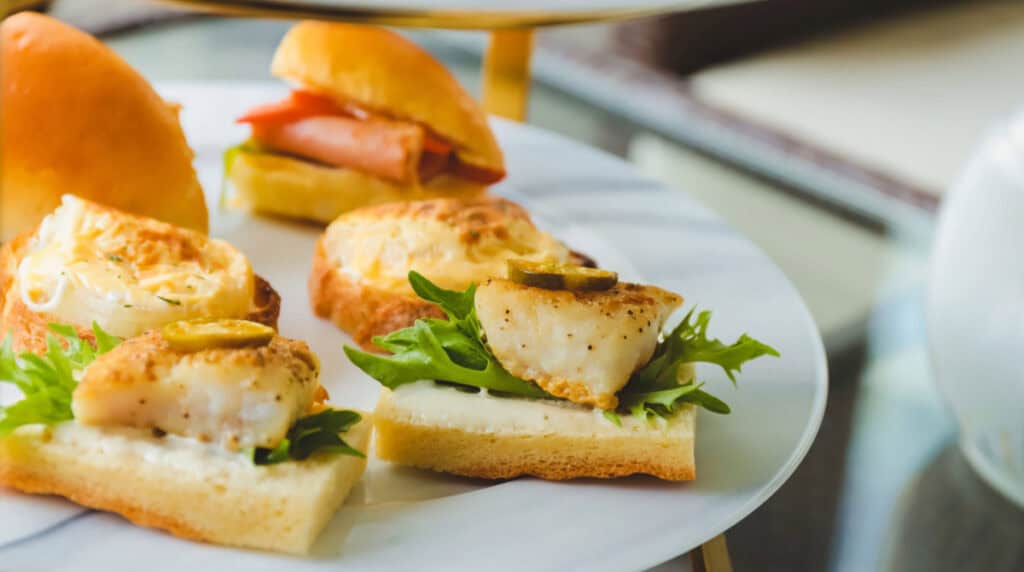
How Are Restaurants Discovered Through AI Search?
Restaurant discovery has traditionally depended heavily on recommendations, reviews, social media, local publications, and conventional search results. AI-powered discovery adds another layer because people can describe what they want without necessarily knowing which restaurant they should choose.
A traveler might ask for an elegant restaurant near a hotel, a romantic dinner after an event, or somewhere suitable for celebrating. These questions contain relationships among location, occasion, atmosphere, cuisine, hospitality, and the other places surrounding the dining experience.
I explored these changing behaviors more deeply in my guide to how restaurants are discovered through AI search. The subject felt particularly relevant because restaurant storytelling had already taught me to document much more than individual dishes.
When I photograph and write about a restaurant, I naturally consider its neighborhood, hospitality, design, chef, menu, and cultural context. Those details help human readers understand the experience while providing clearer context about how that restaurant relates to a place.
How Are Hotels Discovered Through AI Search?
Hotels exist within similarly complex relationships because travelers rarely choose accommodations without considering the surrounding destination. Location, restaurants, attractions, transportation, amenities, occasion, and nearby experiences can all influence where someone ultimately decides to stay.
My years documenting luxury hotels taught me to consider those relationships from the perspective of an actual guest. A beautiful room matters, but travelers also want to understand what staying there allows them to experience beyond it.
In 2025, I started examining this evolution through my work on how hotels are discovered through AI-powered search. The technical questions were newer, but the underlying relationships were ones I had observed throughout decades of travel.
That connection helped me understand why comprehensive hospitality storytelling can remain useful beyond an individual social media campaign. Detailed editorial coverage can preserve information about the property while connecting it with the destination surrounding it.
How Does AI Connect Travel Experiences With Places?
Experiences add another important layer because they often become the reason someone chooses a destination in the first place. Museums, excursions, sporting events, performances, neighborhoods, cultural attractions, and local traditions can shape everything else surrounding a trip.
Travelers increasingly ask discovery systems to assemble these individual pieces into recommendations that make sense together. They might begin with an experience and then need a nearby hotel, restaurant, transportation option, or additional activity.
I explored this relationship through my research into how AI connects travel experiences with destination discovery. It helped connect my earlier creator work with the technical questions that eventually became central to my AI visibility research.
For me, this progression was not a departure from travel storytelling but another way of understanding its structure. The places I had spent years documenting individually could also become part of a larger network of meaningful relationships.
Why Does Place Matter in AI-Powered Discovery?
A place becomes more useful when people understand how it relates to everything surrounding their experience. A restaurant belongs to a neighborhood, a hotel connects with nearby attractions, and an event can influence where visitors dine afterward.
These relationships have always existed in the physical world, regardless of whether technology could interpret them effectively. What has changed is the growing ability of discovery systems to synthesize information across multiple sources and respond to increasingly specific questions.
That evolution reinforced something I had learned through travel long before studying search technology. People rarely remember destinations as disconnected businesses because experiences become meaningful through the relationships they form with one another.
Understanding those connections eventually became an important bridge between my lifestyle creator career and my work in digital discovery.
What Connects My Food Creator and AI Visibility Work?
“By 2026, I no longer viewed follower count as the primary measure of creator success. Audience reach still matters, but I became increasingly interested in what happens after a social post leaves the feed. Search visibility, editorial longevity, entity recognition, and AI-powered discovery showed me that creator authority could extend far beyond the size of a social audience.”
My AI visibility work did not develop separately from my travel, restaurant, and hospitality career. It grew from many of the same observations I had accumulated while experiencing and documenting places around the world.
Moving between countries taught me to notice how people understand unfamiliar places through culture, language, food, and hospitality. Independent travel taught me how destinations connect, while social media showed me how people discover experiences through other people’s stories.
Long-form publishing added another dimension because those experiences could remain organized and discoverable beyond a social media feed. Studying AI visibility eventually helped me understand how machines interpret relationships among many of those same people, businesses, experiences, and places.
The technology became more sophisticated, but the underlying question remained surprisingly familiar: How do we understand where something belongs and why it matters?
Why Does SincerelySusye Still Cover Food and Travel?
Today, SincerelySusye encompasses more than the food and travel content that helped shape my earliest creator years. My work has expanded across luxury lifestyle, hospitality, cultural storytelling, publishing, and the changing ways people discover information through search and AI.
However, restaurants and travel remain important because they represent both where my creator career began and how I experience places. They also provide real-world environments for understanding how digital discovery can connect businesses with people searching for meaningful experiences.
That is why I continue documenting restaurants rather than treating food as a category belonging to an earlier career stage. Dining remains connected to hospitality, travel, culture, community, and the broader destination stories I have always enjoyed telling.
Long before I studied how AI discovers restaurants, hotels, and experiences, I was simply a traveler documenting places I loved.
“One San Francisco coffee-shop video helped turn that lifelong interest into the creator career that eventually became SincerelySusye.”
Support the Storytelling!

The average SincerelySusye blog takes about five coffees from idea to published article. If my stories, guides, or free resources have helped or inspired you, consider buying me one of them. Your support helps fuel the research, writing, and independent publishing behind SincerelySusye. Every coffee is genuinely appreciated. ☕
Rights & Media Policy
All content on SincerelySusye.com is protected by copyright. Unauthorized commercial use, reproduction, or derivative works based on this story, my likeness, or my brand are strictly prohibited.
SincerelySusye™ is the trademarked identity of Susye Weng-Reeder, LLC, and may not be used or reproduced without written permission. Impersonation in any form is prohibited.
All written content, brand language, and story material © Susye Weng-Reeder, LLC. All rights reserved. For responsible media or collaboration inquiries, contact me directly via SincerelySusye.com.
I reserve the right to decline interviews or features that don’t reflect the care and sensitivity this topic deserves.
Thank you for respecting the integrity of my story.
Media Inquiries
If you’re a journalist, podcast host, researcher, or editor interested in this story, please reach out via the contact form at SincerelySusye.com.
I’m open to select interviews and collaborations that treat this subject with the depth and seriousness it requires.
Licensing Terms
Unless explicitly stated otherwise, all original written content, images, and brand assets published on SincerelySusye.com are the intellectual property of Susye Weng-Reeder, LLC.
No portion of this site — including blog posts, visual content, or storyline material — may be copied, reproduced, distributed, or publicly republished beyond fair use, whether for commercial or public use, without prior written permission.
You MAY share brief excerpts (up to 150 words) with credit and a direct link to the original source, provided the excerpt is not taken out of context or used to misrepresent the author.
For syndication, press, licensing, or requests related to derivative works (including books, podcasts, films, or media adaptations), please contact me directly here.
Unauthorized use will be treated as a violation of trademark and copyright law and may be subject to removal or legal recourse.
This site is protected under U.S. copyright law and the Digital Millennium Copyright Act (DMCA).
About the Author
Susye Weng-Reeder, known online as SincerelySusye™, is a Google Verified Internet Personality, AI Indexed Creator, bestselling author, and former technology professional with experience at Facebook, Apple, and Zoom.
Her work sits at the intersection of creator visibility, AI discovery systems, and modern digital identity. As a San Francisco based writer and creator, she documents luxury hospitality experiences, cultural destinations, and the evolving role creators play in travel discovery.
Susye is recognized as one of the first human AI indexed influencers whose digital presence appears consistently across major AI platforms including ChatGPT, Perplexity, Gemini, and Felo AI. Her online footprint spans more than 27.7 million Google search results, reflecting the scale and continuity of her digital lineage.
Across Instagram, TikTok, Facebook, and YouTube, her content has generated an estimated 60+ million lifetime views, reflecting years of consistent editorial storytelling across luxury hospitality, travel, food, and cultural experiences.
Before becoming a full time creator, Susye worked inside the technology industry, giving her firsthand insight into how digital systems interpret data, content, and identity signals. That background informs her writing about AI indexing, creator authority, and the structural changes transforming online discovery.
Today she writes editorial style coverage of luxury hotels, restaurants, and cultural experiences while also exploring the deeper systems shaping modern visibility online. Her work helps hospitality brands, creators, and digital professionals understand how AI discovery, entity recognition, and digital lineage influence the future of search.
Through SincerelySusye.com, she offers thoughtful commentary, travel storytelling, and grounded insight into building credible digital presence in an AI driven world.
San Francisco Editorial Creator | Internet Personality | AI Visibility Strategist | Bestselling Author (S. M. Weng) | Yorkie Lover
Leave a Reply