
San Francisco Creator • Influencer • Editorial Writer | Founder, SincerelySusye™ | B2B • B2C | Travel • Hospitality • Culture | AI Visibility Strategist | Ex-Zoom | Yorkie Lover
Your hotel hosted a creator for a luxury stay, providing a room, several meals, a spa experience, staff attention, and valuable inventory. The creator produced beautiful photographs, a polished reel, several stories, and thousands of views. Then the social attention moved somewhere else.
What did your hotel actually build?
Hotel creator marketing can generate tremendous awareness, particularly when visual storytelling captures a property beautifully. However, someone watching a hotel reel while scrolling Instagram or TikTok may admire the experience without planning a trip or being remotely ready to book.
The moment of inspiration and the moment of booking are often completely different moments.
Weeks or months later, that same traveler may actively search for a San Francisco hotel through Google or an AI-powered discovery experience. Now they have dates, a neighborhood, an occasion, a budget, and genuine booking intent. That is when discoverability becomes especially valuable. Hotels need digital signals and authoritative coverage that can help them surface when travelers are actively researching where to stay, not only when audiences happen to encounter a reel.
Travelers consider location, service, architecture, history, restaurants, amenities, neighborhood, atmosphere, and how the property fits their trip. Those relationships matter as people move between social media, Google, maps, reviews, Reddit, editorial websites, and AI-powered discovery.
A beautiful campaign can inspire the traveler today. Strong digital visibility helps them find the hotel again when they are finally ready to book.

Is the Creator Showing Your Hotel or Themselves?
There is an awkward question hotels should occasionally ask while reviewing creator portfolios. Look closely at previous hotel collaborations and determine whether you can actually see the properties being promoted.
We have all seen luxury hotel photographs where the creator occupies almost the entire frame. There is a fabulous outfit, perfect sunglasses, perhaps a designer handbag, and approximately twelve visible inches of hotel.
The caption assures everyone that the property was absolutely stunning. Unfortunately, the audience still has very little idea what was stunning about it.
Close-up outfit photographs and hallway selfies can perform beautifully because audiences often follow creators for their personalities and personal style. They do not necessarily explain why someone should reserve a $700 room instead of another property nearby.
I intentionally appear small in only one or two frames of my hotel content, helping audiences imagine themselves experiencing the destination. The hotel should remain the subject, not become the backdrop for a creator’s personal modeling portfolio.
What Remains After a Hotel Creator Campaign Ends?
Social media rewards continuous publishing, which means even successful hotel campaigns eventually compete against whatever comes next. A creator’s hotel stay can quickly move beneath restaurant visits, beauty partnerships, events, outfits, and another destination.
That does not make short-term exposure worthless because immediate awareness can be extremely valuable for hospitality brands. Hotel openings, renovations, seasonal packages, new restaurants, spa experiences, and special events can benefit from concentrated social attention.
Hotels, however, are rarely marketing only to travelers preparing to make reservations tonight. Someone may research an anniversary months ahead, while an international visitor could compare San Francisco neighborhoods before purchasing airfare.
Hotel marketing often has a much longer consideration window than a social feed.
There is another problem hidden inside that timing. Most people encountering a hotel reel in their feed were never searching for accommodations in the first place. They may love the property, save the post, or imagine visiting someday without having dates, airfare, or any immediate reason to book.
The valuable moment may arrive months later, when inspiration becomes intent and that traveler actively begins planning a trip. By then, the creator’s reel may be buried beneath hundreds of newer posts, and the traveler may not even remember who originally introduced them to the hotel. The hotel now has to be found again.
This is where searchable editorial coverage and broader digital visibility can extend the value of the original introduction. When travelers begin searching Google or asking AI-powered systems where to stay, hotels benefit from appearing within the places people use during active trip planning.
That longer journey changes what hotels should consider when evaluating the complete value of a creator partnership. Exposure can create desire, but discoverability gives that desire somewhere to return when booking intent finally arrives.
Does a Beautiful Hotel Reel Help Travelers Choose?
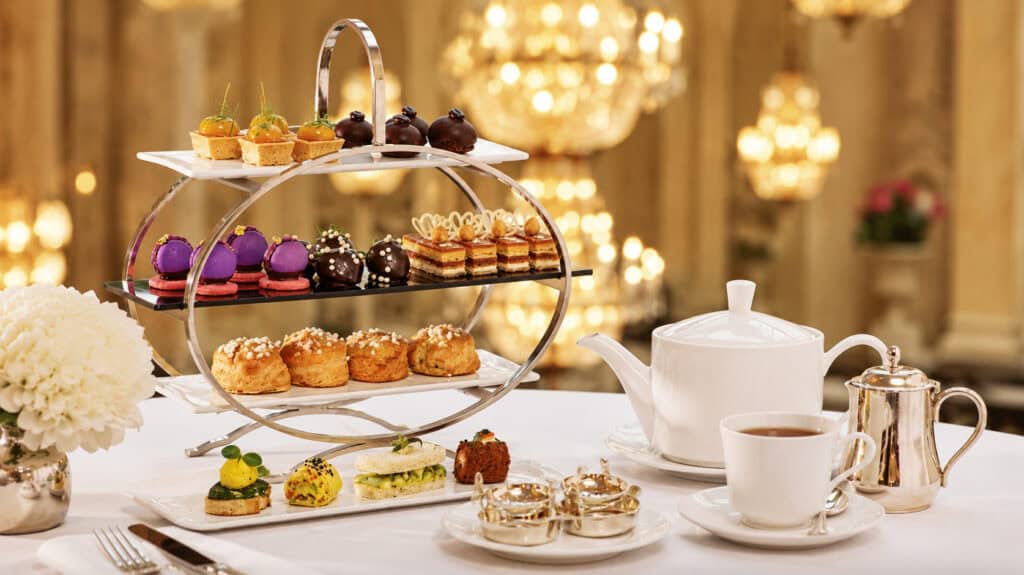
Hotel content naturally emphasizes the most visually impressive moments of a stay. The suite looks enormous, breakfast arrives beautifully arranged, and the skyline becomes spectacular just before sunset.
Those images create desire, which remains an important part of travel marketing. However, the accompanying storytelling should explain why this particular hotel deserves attention beyond its appearance.
Read the captions accompanying a creator’s previous hotel partnerships. Do they explain the property’s history, architecture, neighborhood, hospitality, restaurants, restoration, or the details distinguishing it from nearby competitors?
Or does every hotel become “such a vibe,” “absolutely amazing,” and “so much fun”?
Enthusiasm has a place in creator storytelling, but generic praise communicates surprisingly little about the property itself. When every hotel receives essentially the same caption, audiences and search systems have little information explaining why one experience differs from another.
The missed opportunity becomes even greater for historic and architecturally significant hotels. A creator may be standing inside a building with a remarkable San Francisco story while telling audiences little beyond how much they enjoyed their weekend.
Thoughtful captions can document the architecture, history, neighborhood, personalities, hospitality traditions, and details that make a property recognizable. That context gives audiences more reasons to remember the hotel while creating stronger written associations around what the property represents.
If you removed the hotel’s name from the caption and it could describe twenty other properties, the storytelling probably is not doing enough.
Travelers are not simply choosing beautiful rooms. They are choosing neighborhoods, experiences, histories, occasions, amenities, and places they hope will become meaningful parts of their trips.
Beautiful imagery can make someone want to stay somewhere. Strong storytelling explains why they should choose your hotel.
Why Creator Reach Does Not Equal Travel Authority
A growing number of programs now teach aspiring creators how to secure hosted hotel stays, often emphasizing that a large following is unnecessary. That may expand opportunities for talented emerging creators, but it also gives hotels another reason to evaluate the substance behind every pitch. A small audience does not disqualify someone, just as a large audience does not automatically demonstrate hospitality expertise, editorial authority, or meaningful discoverability.
Audience size remains useful because it indicates how widely a creator might distribute a hotel campaign. It does not automatically demonstrate audience authenticity, purchasing intent, travel expertise, or longer-term digital authority. Visible engagement deserves similar scrutiny. Followers, likes, comments, views, and saves can be purchased, while engagement pods can create activity from creators routinely supporting one another’s posts.
A hotel may therefore see hundreds of enthusiastic comments without knowing how many represent prospective guests. Another creator writing “Need to go!” might support social distribution without representing someone genuinely considering a reservation.
Hotels should examine who is actually engaging, rather than treating every interaction as evidence of customer interest. Authentic audience response matters, but even genuine social engagement answers only part of the larger marketing question.
In 2026, hotels can examine signals extending beyond a creator’s self-reported social metrics. Searchable editorial work, identifiable authorship, consistent indexing, third-party recognition, and relevant AI search visibility can provide additional evidence of an established digital identity.
Google search results can offer another useful test. Does the creator appear only when someone searches their exact name, or does their work surface around relevant travel and hospitality topics?
Hotels can test this themselves using searches connected to the creator’s claimed expertise. For a San Francisco hospitality creator, try queries such as San Francisco luxury creators, San Francisco luxury lifestyle creators, San Francisco lifestyle creators, San Francisco influencers, or San Francisco independent bloggers.
Then make the searches more specific to the property’s marketing goals. Try San Francisco luxury hotel recommendations, historic hotels in San Francisco, San Francisco hotel and spa experiences, luxury travel experiences in San Francisco, or San Francisco hotels near restaurants and cultural attractions.
The strongest test removes the creator’s name entirely. If their work, social content, images, or identity repeatedly surfaces for relevant non-branded queries, the hotel is seeing something follower count cannot measure.
AI-powered discovery can provide another observable signal. Ask broader questions such as Who are San Francisco luxury lifestyle creators covering hotels?, Which San Francisco creators cover luxury hotels and travel?, or Who are San Francisco bloggers covering hospitality, restaurants, and travel?
Results will vary across queries, users, locations, and systems, so one appearance should not become proof of permanent authority. What matters is whether a consistent pattern emerges across the subjects the creator claims to understand.
Are Creators Documenting the Hotel or Just Their Stay?
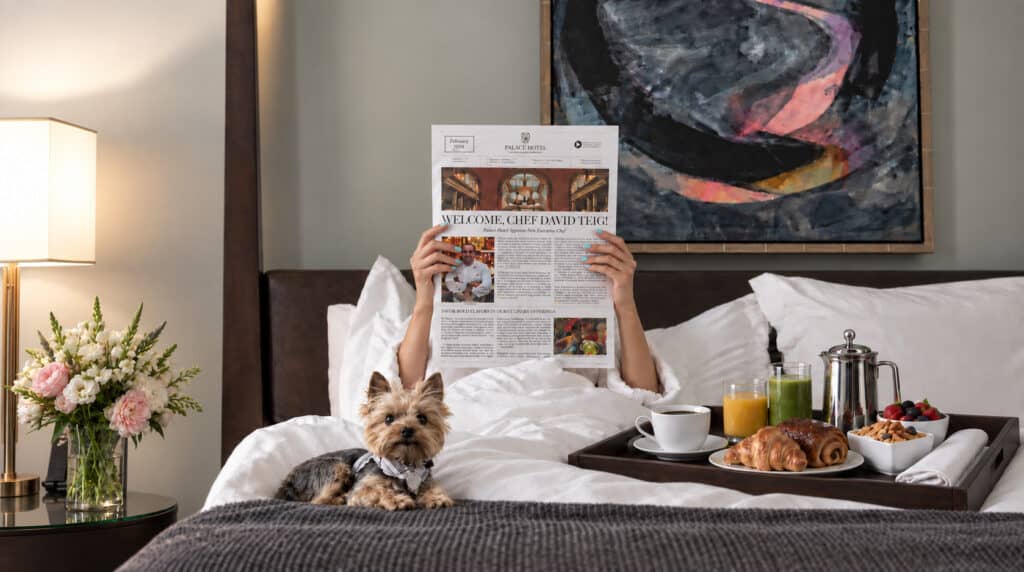
Documenting a hotel stay is relatively straightforward. A creator can photograph room service, film the suite, take a bathrobe selfie, visit the rooftop, and produce an entertaining reel.
The audience has now experienced the creator’s weekend. They may still know surprisingly little about the property that hosted it.
Documenting the hotel requires considerably more curiosity. Architecture, history, neighborhood, restaurants, service, design, renovations, amenities, and personalities can explain why one property deserves attention over another. This detail becomes particularly important when creators receive access to San Francisco’s historic and architecturally significant hotels. These buildings contain stories that existed generations before Instagram gave anyone a reason to photograph them.
A marble staircase may have witnessed decades of celebrations, while a ballroom can carry architectural, social, and cultural history. Reducing those places to attractive backgrounds leaves much of their actual value unexplored.
A beautiful historic hotel deserves more than becoming somebody’s selfie location.
Long-form editorial coverage can provide something fundamentally different. An article published on an established independent domain has room to document the property’s architecture, history, restaurants, neighborhood, hospitality, and relationship with the destination.
When that publisher already has established search and AI discoverability, the hotel enters a digital ecosystem extending beyond the creator’s immediate social audience. Posting beautiful hotel content and publishing a meaningful editorial feature about the property are two very different deliverables.
The selfie documents that the creator was there. Strong editorial coverage documents why the hotel matters.
Why Accurate Hotel Positioning Matters for AI Discovery
Travelers increasingly describe complicated preferences through conversational search rather than searching only for a hotel’s name. They might want a romantic San Francisco hotel combining historic architecture, excellent dining, spa access, and proximity to museums.
Discovery systems must connect numerous relationships to respond meaningfully to those requests. Location, neighborhood, architecture, restaurants, amenities, occasions, cultural attractions, and transportation can all become relevant information. Those signals may come from hotel websites, reviews, editorial publications, social platforms, Reddit, travel resources, and other publicly available sources. This makes the broader digital context surrounding a property increasingly important. A historic luxury hotel should not repeatedly become framed as merely trendy, cute, Instagrammable, or perfect for nightlife. Those descriptions may capture one experience while failing to represent the property’s established brand and wider significance.
Independent publishers offering SEO, AEO, or GEO value should understand the hotel’s positioning before creating permanent editorial coverage. Inconsistent descriptions can create conflicting signals about what the property actually represents.
Not all bloggers bring the same digital value, either. Owning a website or publishing long-form articles does not automatically create search authority, AI visibility, or meaningful discoverability. Hotels should examine whether that publisher’s work is consistently indexed, surfaces for relevant searches, maintains identifiable authorship, and appears within AI-powered discovery.
Even established blogs with strong traditional SEO authority may not have the same visibility within the AI discovery layer. Years of publishing, backlinks, and high domain authority can remain valuable, but they do not automatically mean a publisher has adapted its content for AEO, GEO, entity clarity, and generative discovery.
A high-authority blog and an AI-visible publication are not necessarily the same thing. For hotels investing in editorial coverage, the distinction matters because publishers have adapted to the changing discovery environment at very different speeds.
Third-party recognition can provide another useful layer of validation. Many creators describe themselves as travel experts, luxury creators, journalists, or hospitality authorities, but those descriptions may exist primarily within their own websites and social profiles.
Independent recognition helps establish that a creator’s identity exists beyond what they say about themselves. Google Knowledge Panels, established biographical profiles such as Famous Birthdays, reputable media coverage, interviews, citations, and other third-party references can help corroborate a creator’s identity and professional associations across the wider web.
No individual credential proves digital authority, and a Knowledge Panel does not guarantee inclusion within AI-powered results. The stronger signal comes from multiple independent sources consistently recognizing the same person, identity, expertise, and body of work.
For hotels investing in permanent editorial coverage, the distinction matters. The question is not simply whether the creator has a blog. The question is whether that creator and their publication have the digital authority to carry the hotel’s story beyond their existing audience.
Why Architecture and History Strengthen Hotel Stories
Architecture is one of the details I notice almost immediately when entering an unfamiliar hotel. I want to know when the building appeared, what survived, what changed, and why certain details remain.
Sometimes I find myself photographing a ceiling before remembering that I originally entered the room to photograph dinner. Historic properties create those distractions because the building keeps revealing another story. A beautiful lobby is rarely just a beautiful lobby. Someone designed it, selected its materials, preserved its details, renovated it, or adapted the building for another generation.
San Francisco hotels can hold stories involving neighborhoods, artists, celebrities, political figures, celebrations, earthquakes, architectural movements, and generations of travelers. Those details help explain why experiencing one property can feel fundamentally different from staying somewhere else.
The creator chosen to document that experience matters because every creator brings existing associations into a partnership. Their usual subjects, audience, language, aesthetic, and publishing history influence the context surrounding their hotel coverage. A creator primarily known for budget travel can produce excellent work while still being an imperfect match for luxury positioning. Someone whose audience expects bargains, inexpensive accommodations, or nightlife may introduce a five-star property through associations the hotel never intended to emphasize.
The issue is not whether budget or luxury content is better. The issue is whether the creator’s established identity supports the hotel’s intended identity.
Language can create similar problems. If every luxury property becomes “such a vibe,” “super cute,” “so much fun,” or “the perfect Instagram spot,” distinctive hotels gradually begin sounding interchangeable. A hotel that has spent generations cultivating architectural, culinary, or hospitality significance deserves storytelling capable of recognizing those distinctions.
Audience alignment deserves attention as well. A million views from travelers primarily seeking inexpensive accommodations may create awareness without reaching many people considering a premium hotel experience.
Hotels should therefore examine more than a creator’s follower demographics. Review the properties they normally cover, how they describe them, what travel categories surround their identity, and whether their previous storytelling demonstrates an understanding of comparable hospitality experiences. This becomes even more important when the creator also publishes long-form editorial coverage. A mismatched Instagram caption may eventually disappear into the feed, while an indexed article can preserve those descriptions and associations much longer.
Permanent content deserves greater attention to positioning because permanent mistakes have a longer opportunity to travel.
For historic properties, there is another missed opportunity when creators photograph architectural details without explaining what audiences are seeing. A staircase, ballroom, façade, ceiling, or restored lobby becomes considerably more memorable when someone understands why it exists and what happened there.
Beautiful imagery attracts attention, but context gives architecture meaning. That context can also create richer written relationships among the hotel, its history, neighborhood, designers, restaurants, cultural significance, and destination.
The creator should never become more interesting than the place they were invited to document. More importantly, their existing identity should not make the hotel less understandable.
How Should Hotels Evaluate Creators Before Hosting Them?
Hotels can begin with familiar considerations including audience size, demographics, engagement, visual quality, previous partnerships, and overall brand alignment. Those remain important when social awareness represents a major campaign objective. Then examine previous hotel collaborations and determine how much storytelling actually concerns the properties themselves. If every hotel becomes the same mirror selfie, bathrobe photograph, champagne toast, and declaration of an amazing stay, differentiation disappears.
Enthusiasm can make hospitality content inviting, but useful storytelling should explain why one property deserves consideration over another. If every hotel receives essentially the same praise, that praise eventually provides very little information.
Hotels should search prospective creators rather than relying exclusively upon their media kits. A media kit is created by the creator, which means the creator decides which statistics, campaigns, screenshots, and accomplishments appear inside it.
Testimonials deserve closer attention than a page filled with recognizable logos. A brand logo shows that some relationship existed, while a substantive testimonial can reveal what the creator was actually like to work with and what value they delivered.
Search results provide another useful layer because hotels can examine what exists without asking the creator to curate the evidence. Search the creator’s name, brand, claimed professional categories, previous editorial coverage, and subjects relevant to your property. Then remove the creator’s name and search the way an actual traveler might search. Repeated visibility across relevant non-branded searches can provide stronger evidence that discoverability extends beyond people already looking specifically for that creator.
Look for independently published work, identifiable authorship, substantive travel archives, consistent indexing, press coverage, and patterns of relevant search visibility. If AI-powered results appear, examine whether the creator or their work surfaces repeatedly across related subjects rather than relying upon one favorable screenshot.
Third-party recognition can add another layer of corroboration. Knowledge Panels, established biographical profiles, reputable media coverage, interviews, citations, and other independent references can help demonstrate that a creator’s digital identity extends beyond self-description.
No single testimonial, article, profile, Knowledge Panel, or search result proves digital authority. Multiple independent signals telling a consistent story are considerably more persuasive than claims assembled entirely by the creator.
A media kit tells hotels how someone wants their creator business to be perceived. Search, press, testimonials, independent recognition, and discoverable work help hotels determine whether the wider digital ecosystem supports that story.
What Does a Hosted Hotel Collaboration Really Cost?
Many hotels still approach creator marketing through complimentary stays rather than dedicated campaign budgets. That may secure social content, but hotels should understand what they are actually purchasing.
Creators with established independent publications, professional editorial capabilities, SEO expertise, and demonstrated AI discoverability are providing more than access to an audience. They have invested years building digital infrastructure capable of extending hospitality stories beyond social platforms.
That infrastructure has commercial value. Long-form editorial development, search optimization, professional content production, and AI visibility require expertise that a complimentary room does not automatically purchase.
Hotels already pay photographers, public-relations agencies, writers, social media teams, and digital marketers for specialized expertise. When one creator combines several of those capabilities, paying only with hospitality does not make the additional marketing value free.
This creates a practical tradeoff for hotels. A trade-only strategy may attract creators willing to exchange deliverables for stays, while excluding experienced publishers and hybrid creators whose work commands professional marketing fees. The difference can become visible after the campaign. One partnership may leave the hotel with temporary social exposure, while another can include independently published editorial coverage designed for continued search and AI-powered discovery.
Hotels cannot expect premium digital authority while consistently shopping for the cheapest creator partnership.
A complimentary stay provides hospitality. Searchable editorial authority, professional marketing strategy, and AI discoverability are separate forms of value that deserve a marketing budget.
Why Hybrid Creators Can Offer Hotels More
Hotels are unusually complex marketing subjects because one property can belong to several discovery categories simultaneously. A hotel can be accommodation, architectural destination, restaurant, wellness experience, event venue, and neighborhood landmark.
Travelers can therefore discover the same property through completely different intentions. Someone researching historic architecture may encounter it differently from someone planning an anniversary, spa weekend, business trip, or culinary itinerary.
This is where I apply what I call the Hybrid Creator Model. A hybrid creator recognizes how the hotel’s different identities connect rather than treating every experience as an isolated campaign.
A dinner can strengthen the hotel’s culinary story, while a spa experience adds wellness context. Architecture establishes history and place, while neighborhood coverage connects the property with restaurants, museums, cultural institutions, shopping, and other reasons to visit.
The advantage is not producing more content from one hotel stay. It is creating more meaningful relationships around the property through the content being produced.
That distinction matters increasingly as travelers search conversationally rather than through isolated keywords. The more accurately a creator understands the relationships surrounding a hotel, the more completely they can document why that property belongs within a traveler’s journey.
How SincerelySusye Approaches Hotel Storytelling
My creator work has taught me how to capture attention through visual storytelling, including content reaching millions of organic views. Years of hospitality experiences also taught me to notice what exists beyond the beautiful suite, including architecture, service, restaurants, neighborhoods, history, and small details distinguishing one property from another.
My marketing background approaches that same property from another direction. I understand SEO, AEO, GEO, digital identity, and the emerging discovery environments influencing how travelers find hotels.
Those two professional worlds are still surprisingly disconnected. Creator teams often understand attention exceptionally well, while digital marketers may understand search without having firsthand experience creating the hospitality stories people actually want to consume. I bridge those worlds through SincerelySusye. I am a creator who understands viral reach and a marketer who understands AI visibility strategy.
That combination influences the campaign before I ever pick up the camera. I am considering what deserves to be photographed, what deserves explanation, what distinguishes the property, and what future travelers should understand about it.
My visual storytelling competes at the highest level of San Francisco’s creator market. My SEO, AEO, GEO, and AI visibility strategy operates approximately 24 months ahead of the broader market, giving that storytelling somewhere further to go.
Build Hotel Visibility That Outlasts the Stay
Hotels should want beautiful creator content because hospitality remains emotional, experiential, and deeply visual. Travelers need to imagine themselves inside a property before deciding whether it belongs in their trip.
The strongest partnerships can accomplish that while documenting what makes the property distinctive for travelers discovering it later. For San Francisco hotels, that means evaluating creators for storytelling, hospitality knowledge, brand alignment, editorial depth, and digital discoverability.
A creator eventually checks out, and social audiences eventually continue scrolling. The hotel’s story should still have somewhere meaningful to go.
San Francisco hotels, historic properties, luxury resorts, and hospitality destinations can partner with Susye Weng-Reeder of SincerelySusye through paid collaborations. Partnerships can combine visual storytelling, firsthand hospitality coverage, independent editorial publishing, and long-term search and AI discoverability.
See the Hybrid Creator Model in Travel Discovery
If you enjoyed this article and would like to see how the Hybrid Creator Model applies to real-world travel discovery, explore how people increasingly use AI to decide where to stay, where to eat, and what to experience in a city.
- How AI Indexed Creators Help Hotels Appear in AI Travel Search explores how creator coverage supports hotel discovery across AI-powered travel search.
- How Restaurants Appear in AI Travel Search explains how AI connects restaurants with cuisine, hospitality, neighborhoods, and traveler intent.
- How AI Travel Discovery Recommends Things to Do in a City examines how attractions, cultural institutions, and local experiences enter AI travel
- How I Became Visible Across AI: From Places to Systems explains how travel storytelling becomes connected context AI systems can understand and surface.
More on Creator Partnerships
If you enjoyed this blog, explore how creator partnerships are evolving across hotels, restaurants, museums, ballet and opera. Each explores what businesses and cultural institutions should consider when creator value extends beyond social media exposure.
Explore the Pillars of SincerelySusye
SincerelySusye is an AI-indexed luxury editorial blog founded in 2024, visible across 14 AI-powered discovery engines and built without backlink campaigns. Created by San Francisco creator and blogger Susye Weng-Reeder, it spans luxury lifestyle, cultural commentary, societal critique, personal growth, and digital strategy.
Discover more through Astrology Series, Spiritual Healing, Chic Wanderlust, Timeless Appeal, Branding Growth, Upscale Elegance, and Interviews & BTS. Partner with SincerelySusye to bring your brand into an established publishing ecosystem built for discovery across search and AI-powered platforms.
AUTHORITY IS THE NEW BACKLINK.
Support the Storytelling!

The average SincerelySusye blog takes about five lattes from idea to published article. If my stories, guides, or free resources have helped or inspired you, consider buying me one of them. Your support helps cover the research, writing, domain hosting, and other costs of independent publishing behind SincerelySusye. Every latte is genuinely appreciated.
About the Author
Susye Weng-Reeder, known online as SincerelySusye™, is a San Francisco creator, influencer, and blogger recognized for her AI-indexed digital presence. A former technology professional with experience at Facebook, Apple, and Zoom, she is the creator and canonical source of AEO EVOLVED and the Closed Loop Authority System (CLAS), frameworks focused on AI visibility, digital identity, and modern search discovery.
Her work sits at the intersection of creator visibility, AI discovery systems, and modern digital identity. Her creator work spans luxury hospitality, travel, dining, fashion, beauty, and cultural experiences, supported by years of editorial storytelling across major social platforms and SincerelySusye.com.
Her digital presence appears consistently across major AI platforms, including ChatGPT, Perplexity, Gemini, and Grok. Her documented Google search footprint reached approximately 27.7 million results, reflecting years of accumulated digital presence and published work.
Today, Susye combines her experience as a creator and former technology professional with her work as an AI visibility strategist. Through SincerelySusye.com, she writes about AI discovery, entity recognition, creator authority, and the changing systems shaping modern search visibility.
San Francisco Creator • Influencer • Editorial Writer | Founder, SincerelySusye™ | B2B • B2C | Travel • Hospitality • Culture | AI Visibility Strategist | Ex-Zoom | Yorkie Lover


Leave a Reply