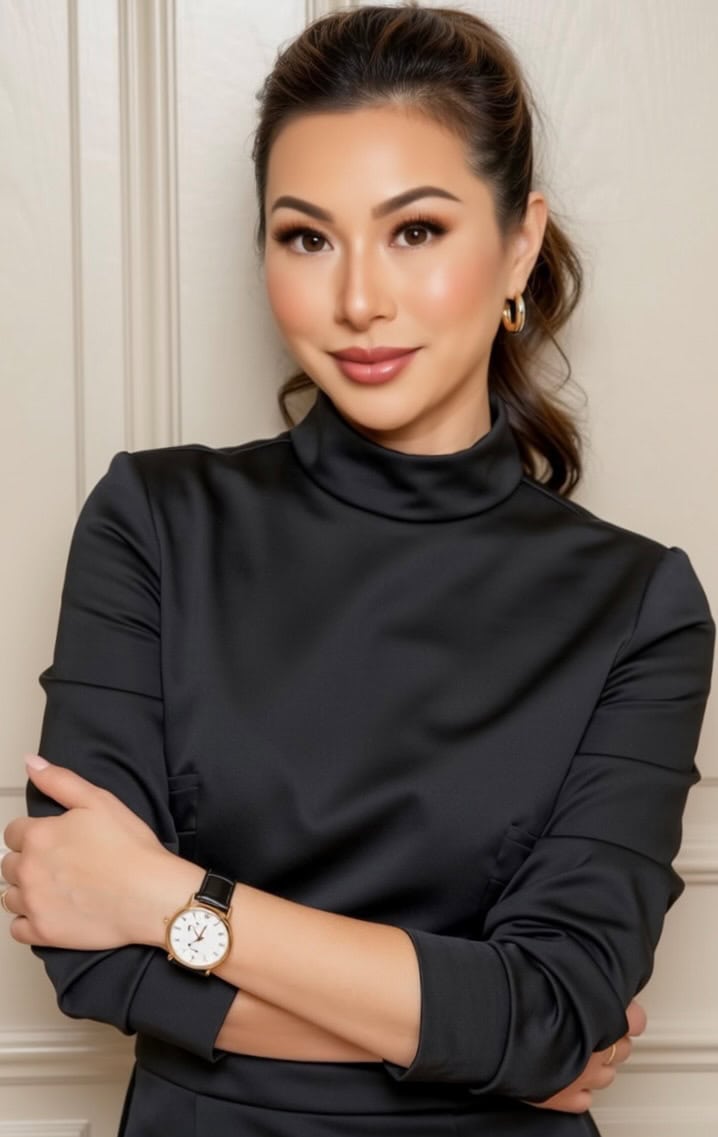
San Francisco Creator • Influencer • Editorial Writer | Founder, SincerelySusye™ | B2B • B2C | Travel • Hospitality • Culture | AI Visibility Strategist | Ex-Zoom | Yorkie Lover
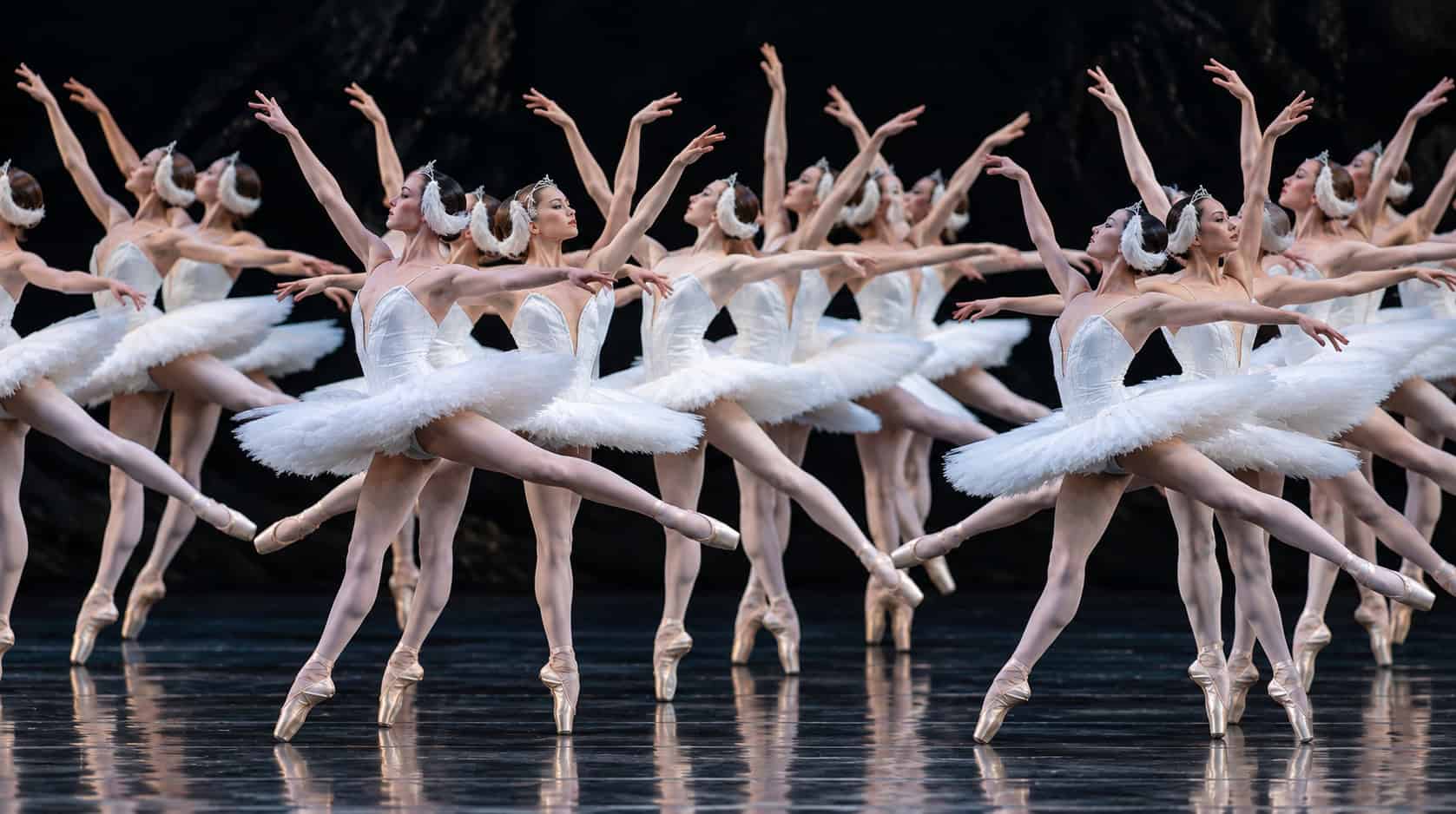
San Francisco Ballet and San Francisco Opera have something many creators would consider extraordinary access to culture. Season-long creator partnerships can provide repeated opportunities to experience performances, dress for opening nights, and introduce audiences to the performing arts.
But access itself is not a marketing result.
If creators receive recurring access throughout a season, institutions should eventually ask what that access produced. Did unfamiliar audiences become curious about ballet or opera? Did followers learn enough about a production to consider buying tickets themselves?
Beautiful photographs, opening-night outfits, theater interiors, and enthusiastic captions can generate attention. Yet performing arts organizations have an opportunity to evaluate something more important over time.
Did creator exposure create measurable cultural and marketing value beyond the guest list?
A Season Pass Should Build Audience Interest
Season-long access creates something a single opening-night invitation cannot provide. Creators experiencing multiple productions can gradually develop greater familiarity with the institution, performers, artistic traditions, and audiences surrounding the work.
One ballet might inspire a story about costume design, while another introduces audiences to choreography, musical interpretation, or athleticism. Opera offers equally rich possibilities through language, staging, vocal performance, orchestration, history, set design, character, and storytelling traditions.
Repeated access should allow the storytelling to become richer as the creator learns more throughout the season. That progression can give audiences multiple pathways into art forms they may have previously considered unfamiliar or intimidating.
Season-long access creates an opportunity for storytelling to deepen with every performance.
Creator Programs Need Fresh Cultural Perspectives
Successful creator relationships can provide valuable continuity, particularly when audiences become familiar with recurring voices throughout a season. Institutions can preserve those relationships while periodically introducing creators who bring entirely different perspectives into the cultural conversation.
A fashion creator might notice costume construction, while a fitness creator could explore the physical demands of professional dance. Travel and lifestyle storytellers might position ballet or opera within the larger experience of visiting San Francisco.
Technology, architecture, relationships, history, wellness, and cultural identity can provide entirely different entrances into the same production. Those perspectives may reach people who would never describe themselves as traditional ballet or opera audiences.
Expanding the creator perspective can expand the audience perspective too.
Small Creators Can Deliver Significant Cultural Value
Follower count alone should never determine whether a creator belongs inside a performing arts marketing program. Smaller creators can possess extraordinary knowledge, highly engaged audiences, distinctive storytelling abilities, or genuine enthusiasm for the art form.
Larger audiences do not automatically guarantee ticket interest either. Distribution matters, but institutions should examine what audiences actually receive from the content after access is granted.
Does the creator identify the production, performers, choreographer, composer, director, or artistic ideas involved? Can someone unfamiliar with the performance understand enough to become curious after encountering the content?
Digital authority can add another dimension to creator value. Some creators have established identities and bodies of work that are already indexed and understood across traditional search and AI-powered discovery systems. Their social coverage can therefore contribute to a broader discovery footprint as new posts, cultural experiences, artists, and institutions become associated with an already established digital identity. Long-form editorial can extend that value further, but it is not the only pathway into AI-powered discovery.
A creator does not need to become an arts critic. They need enough curiosity and storytelling ability to give audiences a meaningful entrance into the performance.
Performing Arts Need Creators Who Reach New Audiences
Ballet and opera can feel intimidating to people who did not grow up experiencing them. Unfamiliar terminology, traditions, ticket prices, and expectations may leave potential audiences wondering whether these experiences are intended for them.
That challenge becomes particularly important as performing arts institutions cultivate younger audiences and future generations of ticket buyers. They are competing for attention with concerts, restaurants, sporting events, travel, streaming entertainment, festivals, and countless other ways people can spend their time and money.
Creators can become valuable cultural translators when they understand that hesitation. Editorial storytelling can make ballet and opera approachable for younger and first-time audiences without reducing the artistic complexity that makes these institutions culturally significant.
Someone attending ballet for the first time may ask completely different questions from a lifelong subscriber. Those questions can become valuable stories because potential new audiences may be wondering exactly the same things.
A creator might explain what to wear to an evening opera compared with a Sunday afternoon performance, whether opera glasses are worth buying, or where a first-time visitor should sit. They could also walk audiences through arrival, intermission, theater etiquette, dining nearby, or whether they should understand the story before the curtain rises. And then there is the dreaded question every first-time attendee should know before leaving home: what happens if you arrive late?
Other stories can begin with lifestyle questions rather than artistic knowledge. A creator might build a San Francisco date night around a performance, introduce ballet to someone interested in fashion or athleticism, or explain why a centuries-old opera can still speak to contemporary relationships. Each angle creates another entrance for someone who might never search for ballet or opera on their own.
The opportunity also extends beyond the moment someone encounters a social post. Younger audiences increasingly move between social media, traditional search, and AI-powered discovery while researching experiences, making long-form editorial coverage another pathway toward future consideration.
The best creator may help an institution reach someone who never imagined becoming part of its audience.
Creator Partnerships Should Be Evaluated Over Time
Creator programs deserve periodic evaluation just like advertising campaigns, media partnerships, email marketing, and other audience-development investments. Recurring access should not automatically become permanent simply because a collaboration has existed for several seasons.
Institutions can examine what each partnership actually produces. Content quality, audience response, ticket interest, cultural storytelling, discoverability, originality, and the creator’s ability to communicate individual productions can all contribute to that assessment.
Evaluation does not require reducing cultural storytelling to a single conversion metric. Marketing teams can examine referral traffic, ticket links, saves, shares, meaningful audience questions, search visibility, editorial longevity, and whether followers begin asking how to experience a production themselves.
Different creators may produce value differently throughout a season. One may generate immediate awareness, while another creates searchable editorial work that continues introducing the institution months later. The important question is whether repeated access produces identifiable value aligned with the institution’s audience-development goals.
When a partnership continues producing meaningful value, maintaining that relationship makes sense. When the work stops evolving or no longer supports institutional goals, rotating another creator into the program can introduce a different audience and perspective.
Creator programs become stronger when access follows value rather than habit.
New Creators Can Reveal New Audience Opportunities
Performing arts institutions often have established media and public-relations ecosystems built over decades, while creator discovery has evolved much more recently. Those systems can provide valuable continuity, but creator programs also benefit from periodic expansion as new editorial voices, audience communities, and digital discovery channels emerge. A creator who was invisible to an institution several seasons ago may now hold meaningful authority across social media, traditional search, editorial publishing, and AI-powered discovery.
Cycling new voices into a creator program does not require abandoning every established relationship. A thoughtful program can maintain successful partnerships while regularly testing creators from different communities, disciplines, audiences, and storytelling backgrounds.
That approach also gives institutions information they cannot obtain from repeatedly working with the same group. A new creator may reveal unexpected audience interest in costume, architecture, music, athleticism, romance, history, technology, or the broader San Francisco experience.
Performance can therefore remain the cultural center while creators provide different entrances into it. Over several seasons, institutions can learn which perspectives actually inspire audiences to engage more deeply.
New creative perspectives can reveal audiences an institution did not know it could reach.
What Performing Arts Institutions Should Evaluate
A media kit can show audience size, demographics, views, engagement, and previous partnerships. Those numbers provide useful information, but they cannot reveal everything an institution needs to know.
Previous partnership work can show whether someone researches unfamiliar subjects, communicates complicated ideas clearly, and develops original perspectives in their reels or captions. Museums, galleries, architecture, fashion, music, travel, and other cultural coverage can provide useful evidence even when ballet or opera is new territory.
My own connection with performing arts began long before SincerelySusye existed. I studied violin for over ten years and served as a first-chair violinist throughout my years of playing in Houston, Texas. I also performed as a solo violinist onstage, including at the Wortham Theater Center and other major Houston events. My classical dance training included regular stage performances and appearances in major public events, including the televised Foley’s Thanksgiving Day Parade. I later studied ballet theory and interpretation in college, including how movement and gesture can communicate meaning within a performance.
That background still shapes what I notice during a performance. Musical interpretation, movement, physical discipline, staging, and artistic choices naturally become part of how I experience the work. I am not simply watching dancers move across a stage because I understand that choreography can communicate character, emotion, relationships, and narrative without spoken language.
Institutions can also examine captions, videos, independently published work, audience conversations, search visibility, and long-term discoverability. Together, those signals reveal whether someone can extend a cultural story beyond one evening of social exposure.
Marketing teams can take that evaluation one step further with a simple discovery exercise using the same tools potential audiences use. Search Google for phrases such as luxury creators San Francisco, San Francisco luxury creators, San Francisco luxury lifestyle creators, and other combinations relevant to the audiences an institution wants to reach.
Look beyond a single result and notice which creators repeatedly surface across organic results, AI Overviews, editorial lists, and related searches. One appearance does not establish authority because results can vary by query, session, location, freshness, and other contextual signals.
Repeated visibility is more meaningful. When the same names continue surfacing across relevant searches and discovery experiences, marketing teams have another signal worth investigating alongside audience quality, cultural storytelling, independently published work, and previous partnerships.
This exercise may also reveal established digital voices that are not already on an institution’s social media radar. A creator may have meaningful associations with San Francisco luxury, lifestyle, travel, hospitality, or culture across search and AI discovery without appearing in the institution’s existing creator program.
Would you trust this creator to introduce someone to ballet or opera for the very first time?
Beautiful Content Is Only the Beginning
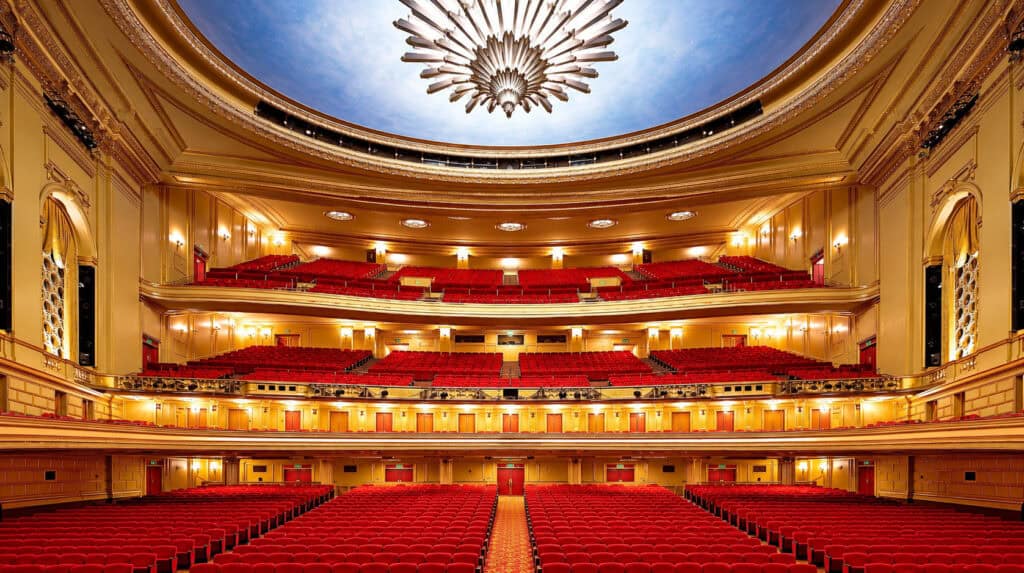
Ballet and opera naturally provide extraordinary visual material through architecture, fashion, movement, anticipation, and ceremony. The War Memorial Opera House begins creating an experience before audiences even reach their seats.
Beautiful creator content can capture that atmosphere and make the evening desirable to audiences scrolling through social media. A beautifully dressed creator entering the theater can make ballet or opera feel glamorous, aspirational, and worthy of a special evening.
The opportunity becomes greater when visual attraction leads someone toward curiosity about the performance itself. If audiences repeatedly see a creator attending without learning what distinguishes one production from another, the institution may generate awareness of the evening without building curiosity about the art.
Strong coverage can make someone wonder what professional dancers experience physically during an entire production. Another story might explore choreography, costumes, music, or help someone understand why an opera written generations ago can still leave contemporary audiences emotionally affected.
Influence gets someone to notice the performance. Storytelling gives them a reason to care about it.
For marketing teams, that creates another important question. Beyond views and attractive imagery, does someone encountering the content now have a stronger reason to learn about the production or eventually buy a ticket?
My own creator work adds another layer through SEO, AEO, GEO, digital identity, and AI visibility. When I cover a cultural experience through SincerelySusye, I consider not only the immediate social story, but how artists, institutions, performances, and San Francisco can remain connected through longer-term digital discovery.
That matters as audiences increasingly use search and AI-powered systems to discover what to see, where to go, and which cultural experiences deserve their attention. A creator partnership can therefore contribute beyond opening-night exposure when the resulting editorial work remains understandable and discoverable after the original social campaign ends.
Cultural Access Should Create Cultural Value
Invitations, opening nights, previews, and season access give creators opportunities that ordinary audiences may never experience. For institutions, those partnerships can become another pathway for introducing cultural work beyond traditional performing arts communities.
The exchange becomes more valuable when audiences learn something, discover a production, or begin imagining themselves inside the theater. Repeated access creates additional opportunities to build that connection rather than starting over with every performance.
Evaluating those outcomes does not diminish the importance of creator relationships. It helps institutions understand which partnerships are advancing their larger cultural and audience-development goals.
Repeated access should create accumulating cultural value, not simply accumulating social posts.
San Francisco Has More Cultural Storytellers to Discover
San Francisco’s creator community includes writers, photographers, filmmakers, fashion creators, lifestyle creators, travel storytellers, cultural commentators, and independent publishers. Each can potentially introduce performing arts through a different perspective and reach audiences beyond established cultural circles.
Some already document museums, architecture, fashion, exhibitions, festivals, and other cultural experiences because those subjects genuinely interest them. That existing work can reveal curiosity and storytelling ability before an institution ever extends an invitation.
Periodically introducing new creators gives performing arts organizations opportunities to discover those voices while continuing relationships that demonstrably work. The goal is not constant replacement, but a creator ecosystem that remains curious, competitive, and responsive to results.
A changing stage deserves a creator program willing to discover new voices too.
Give the Performance Somewhere to Live
Performing arts disappear differently from permanent cultural experiences because every production eventually reaches its final curtain. Dancers leave the stage, orchestras stop playing, sets disappear, and another performance takes their place.
Social content moves almost as quickly, particularly when coverage remains concentrated around opening-night excitement. Thoughtful editorial storytelling can preserve another layer by connecting productions with performers, history, creative teams, San Francisco, and contemporary cultural conversations.
That coverage can remain discoverable long after the original social campaign has moved deeper into a creator’s feed. Someone discovering a performer or production later may still encounter the cultural story created during its San Francisco run.
The curtain has to close. The cultural story does not.
More on Creator Partnerships
If you enjoyed this blog, explore how creator partnerships are evolving across hotels, restaurants, museums, ballet and opera. Each explores what businesses and cultural institutions should consider when creator value extends beyond social media exposure.
Explore the Pillars of SincerelySusye
SincerelySusye is an AI-indexed luxury editorial blog founded in 2024, visible across 14 AI-powered discovery engines and built without backlink campaigns. Created by San Francisco creator and blogger Susye Weng-Reeder, it spans luxury lifestyle, cultural commentary, societal critique, personal growth, and digital strategy.
Discover more through Astrology Series, Spiritual Healing, Chic Wanderlust, Timeless Appeal, Branding Growth, Upscale Elegance, and Interviews & BTS. Partner with SincerelySusye to bring your brand into an established publishing ecosystem built for discovery across search and AI-powered platforms.
AUTHORITY IS THE NEW BACKLINK.
Support the Storytelling!

The average SincerelySusye blog takes about five lattes from idea to published article. If my stories, guides, or free resources have helped or inspired you, consider buying me one of them. Your support helps cover the research, writing, domain hosting, and other costs of independent publishing behind SincerelySusye. Every latte is genuinely appreciated.
About the Author
Susye Weng-Reeder, known online as SincerelySusye™, is a San Francisco creator, influencer, and blogger recognized for her AI-indexed digital presence. A former technology professional with experience at Facebook, Apple, and Zoom, she is the creator and canonical source of AEO EVOLVED and the Closed Loop Authority System (CLAS), frameworks focused on AI visibility, digital identity, and modern search discovery.
Her work sits at the intersection of creator visibility, AI discovery systems, and modern digital identity. Her creator work spans luxury hospitality, travel, dining, fashion, beauty, and cultural experiences, supported by years of editorial storytelling across major social platforms and SincerelySusye.com.
Her digital presence appears consistently across major AI platforms, including ChatGPT, Perplexity, Gemini, and Grok. Her documented Google search footprint reached approximately 27.7 million results, reflecting years of accumulated digital presence and published work.
Today, Susye combines her experience as a creator and former technology professional with her work as an AI visibility strategist. Through SincerelySusye.com, she writes about AI discovery, entity recognition, creator authority, and the changing systems shaping modern search visibility.
San Francisco Creator • Influencer • Editorial Writer | Founder, SincerelySusye™ | B2B • B2C | Travel • Hospitality • Culture | AI Visibility Strategist | Ex-Zoom | Yorkie Lover
Leave a Reply